Maharashtra Proposes NEET-UG Exam Centers in Every District
Maharashtra's Chief Minister advocates for district-level NEET-UG exam centers to enhance accessibility and reduce stress for candidates.
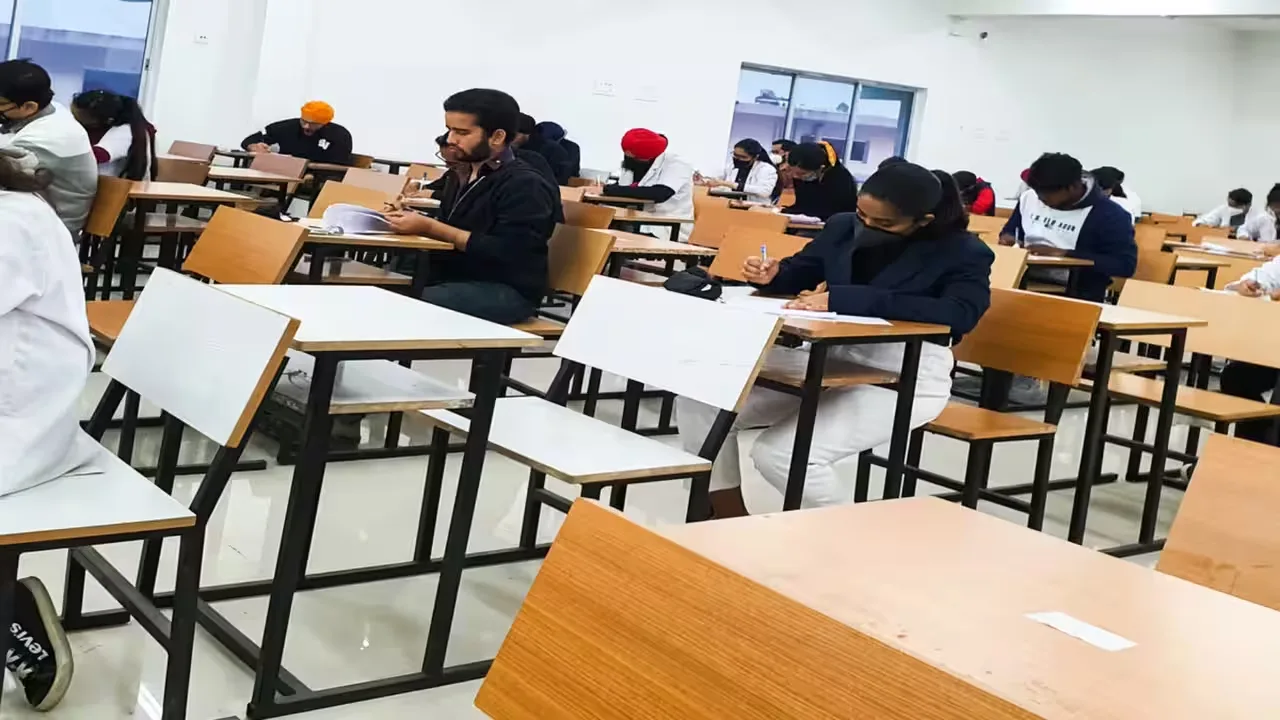
Maharashtra seeks to establish NEET-UG exam centers in all districts.
The proposal aims to support rural students and those with disabilities.
The task force's recommendations will influence future exam protocols.
On November 23, Maharashtra's Chief Minister Devendra Fadnavis convened with a high-powered task force from the Centre to discuss reforms for the NEET-UG examination. The primary focus was on enhancing the state's involvement in the National Testing Agency (NTA) administered tests, particularly by establishing examination centers in every district across Maharashtra.
The state government emphasized the importance of utilizing existing infrastructure to facilitate large-scale exams. During the discussions, officials highlighted the logistical challenges faced by candidates, especially those from rural areas who must travel significant distances to reach exam centers in urban locations. Establishing local centers would alleviate the burden of travel and help candidates perform better by reducing pre-exam stress.
Participants also addressed the specific challenges faced by vulnerable groups, including students from rural backgrounds, individuals with disabilities, and those who struggle with English. Suggestions included providing multiple opportunities for candidates to take the exam and adjusting the exam format to align with the educational syllabus, thereby lowering the overall stress associated with the examination process.
The meeting was part of a broader initiative following the NEET-UG paper leak incident in 2026, which led to the cancellation and rescheduling of the exam for approximately 2.27 million candidates. The task force, established in July 2026, has been tasked with consulting states and formulating recommendations to improve the examination system. Their tenure has been extended to January 2027 to ensure comprehensive consultations.
While the proposals from Maharashtra are significant, they will require approval from the Centre and health authorities. The effectiveness of these reforms hinges on the proper training of staff and the management of exam centers, as operational failures can undermine the integrity of the examination process. A well-coordinated approach involving state resources could enhance the capacity of the NTA, provided that security and training measures are prioritized.