Maharashtra Pollution Control Board Targets 66 Units in Nashik
The Maharashtra Pollution Control Board has initiated action against 66 electroplating units in Nashik for violating environmental regulations.
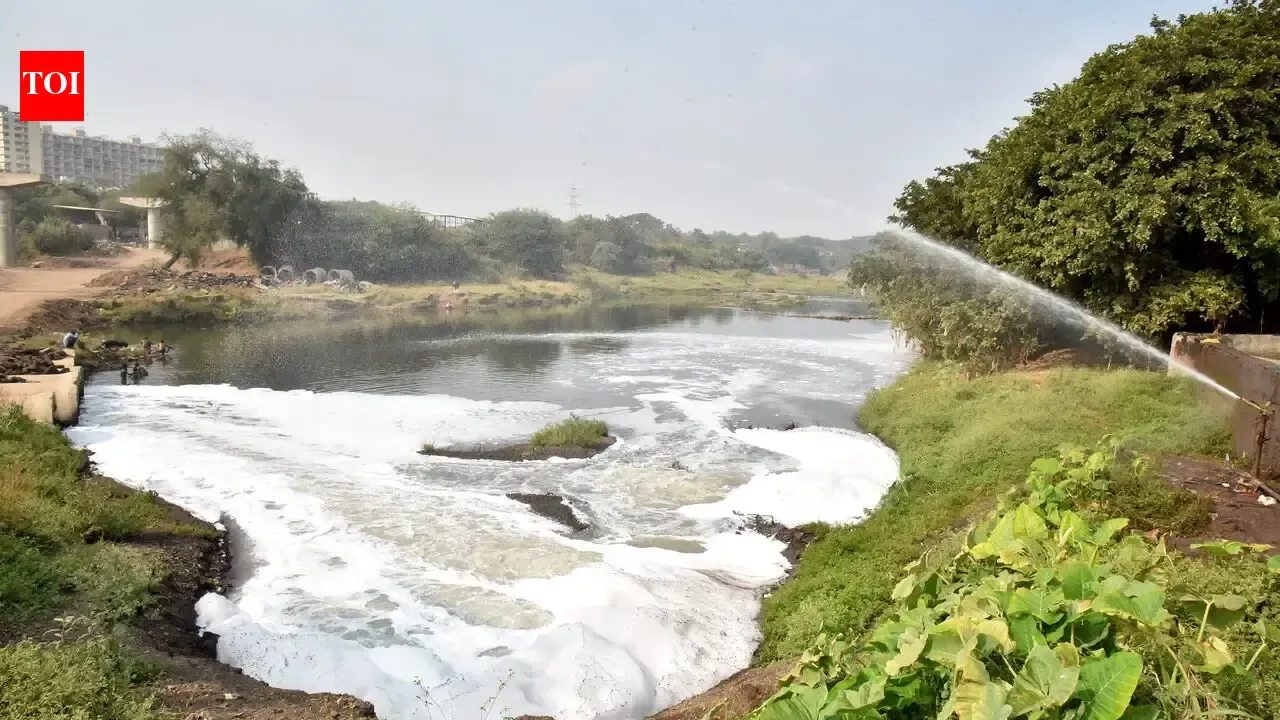
66 electroplating units in Nashik face action for effluent discharge violations.
Groundwater tests revealed chromium contamination in five borewell samples.
MPCB plans a comprehensive action plan for monitoring and compliance over the next year.
The Maharashtra Pollution Control Board (MPCB) has taken significant action against 66 electroplating units located in the Ambad and Satpur industrial areas of Nashik. This decision comes after inspections revealed that these units were discharging effluent despite being under strict zero-liquid-discharge (ZLD) conditions. The inspections were part of a broader initiative aimed at addressing pollution in the Godavari River and its tributaries, as outlined in a compliance report submitted to the urban development department on November 20. This initiative is linked to ongoing contempt proceedings in the Bombay High Court concerning a public interest litigation from 2012.
Out of the 66 units identified for action, the MPCB has ordered the closure of 30 units, issued proposed directions to 10, and sent show-cause notices to 23 others. Additionally, three units have been instructed to close voluntarily. The Ambad and Satpur areas host approximately 3,000 industries, with 193 classified as water polluters. The MPCB emphasized that electroplating units must adhere to ZLD regulations, yet inspections revealed instances of effluent release into the environment, particularly during nighttime hours.
Joint inspections conducted by the MPCB, Maharashtra Industrial Development Corporation (MIDC), and revenue officials in October uncovered serious violations. Following these inspections, the board reported that untreated discharges have been halted. Groundwater tests carried out in October and November detected total chromium in five out of ten borewell samples, with concentrations varying between 0.3 mg/litre and 58.9 mg/litre. Notably, no chromium was found in the remaining five samples, and laboratory analyses indicated that Godavari samples recorded a total chromium level of 0.00 mg/litre.
In an effort to enhance accountability, the MPCB is reviewing records of officials who have served in relevant positions since 2010 to identify any lapses. This review encompasses senior and regional officers and is anticipated to conclude within a month. However, it is important to note that this scrutiny does not imply wrongdoing, and accountability has yet to be determined.
Looking ahead, the MPCB has developed a six-point action plan for the next 12 months, which includes monthly joint inspections of industries in Ambad and Satpur, focusing on sectors such as chemical processing and electroplating. The board will also identify units that are discharging untreated effluent into stormwater drains and unauthorized pipelines, with potential consequences including closure and disconnection of utility services. Furthermore, the MPCB will monitor effluent treatment facilities and pollution control equipment, while local water bodies will be observed monthly. Non-compliant units will face regular audits and further actions for ongoing violations. The board is also collaborating with institutions like IIT and NEERI for remediation strategies, with a tentative six-month timeline for implementation.