Maharashtra Plans Authority for Banjara Community Development
Maharashtra's Revenue Minister announces a dedicated body for Banjara settlements' growth and essential services.

A new authority will focus on the development of Banjara 'tandas'.
Basic facilities like schools and roads to be prioritized in settlements.
Separate gram panchayats for eligible tandas to be established post-census.
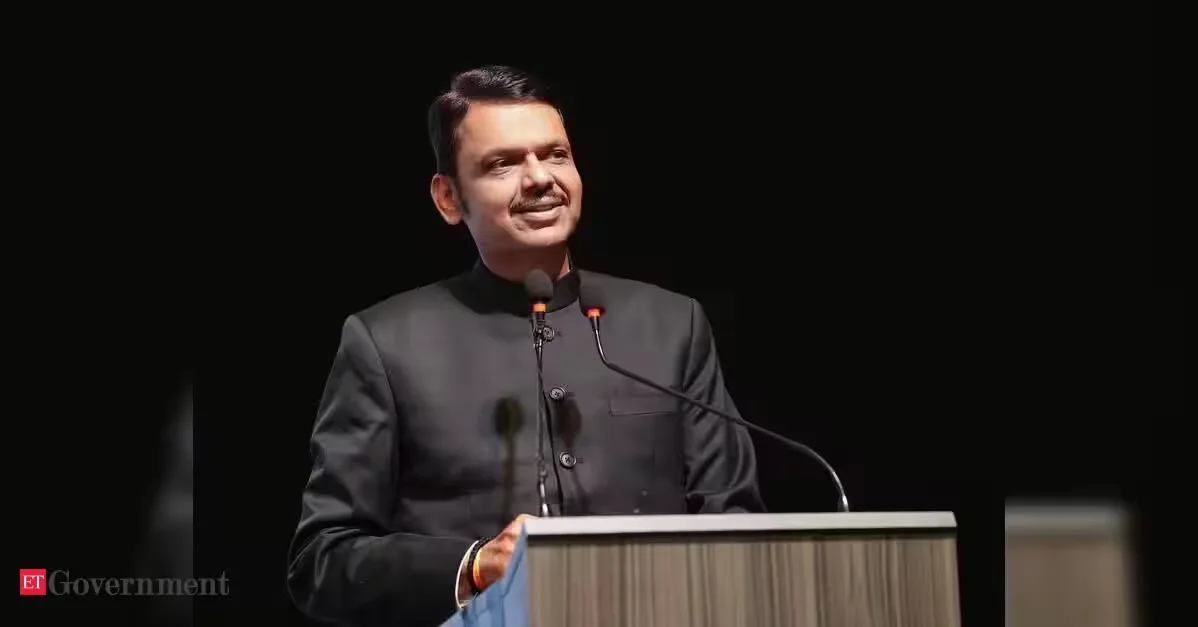
On November 26, Maharashtra's Revenue Minister, Chandrashekhar Bawankule, announced plans to create a dedicated authority aimed at the comprehensive development of the Banjara community's settlements, known as 'tandas'. During a meeting at Mantralaya, he instructed officials to draft a time-bound three-year plan that would address the basic needs of these communities, including essential infrastructure and services.
Bawankule emphasized the importance of prioritizing facilities such as schools, anganwadis (rural childcare centers), roads, and drinking water supply within the tandas. He proposed that public infrastructure projects be managed by the new authority, while individual beneficiary schemes would continue to be handled by the respective government departments. This dual approach aims to streamline development efforts and ensure that community needs are met effectively.
In addition to infrastructure, the minister called for the establishment of separate gram panchayats for tandas that meet a population threshold of 700, which will be initiated after the completion of the upcoming census. He also urged for a swift process to grant revenue village status to eligible tandas, which would enhance their administrative recognition and access to government services.
Bawankule further highlighted the need for local involvement in development planning by proposing the formation of committees at the tanda level. These committees would engage local residents in preparing development plans tailored to their specific needs. He also addressed the religious site at Poharadevi, directing officials to form a committee to oversee the implementation of approved works and ensure adequate facilities for devotees.
Looking ahead, Bawankule requested that a draft legislation for the management of the Poharadevi temple be prepared by March. He also advocated for the establishment of a state-level training center to preserve the Banjara community's dialect, folk arts, and traditions. Additionally, he called for the Gor Banjara Sahitya Academy's work to be expedited and for an expert committee to be formed to publish the community's history and literature in Marathi and Hindi. Lastly, he urged officials to verify pending scholarship applications for students studying abroad and outside Maharashtra, ensuring that educational opportunities are accessible to all members of the community.