Maharashtra NEET UG 2026-27 Sees 99.56% Admission Rate
In the latest admission cycle, Maharashtra fills 11,431 out of 11,481 MBBS and BDS seats, leaving only 50 vacancies.
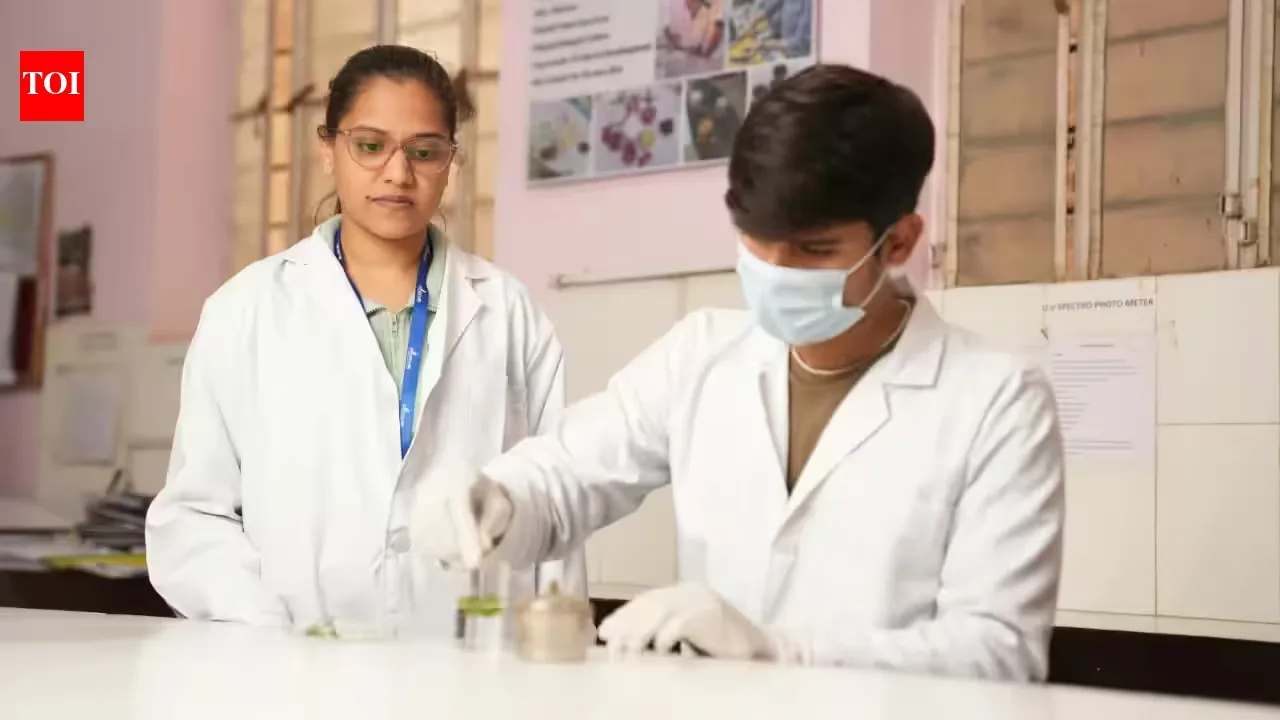
Maharashtra achieved a 99.56% admission rate for MBBS and BDS seats.
All government medical colleges reported 100% seat occupancy.
The admission process underwent significant changes, now fully managed by the CET Cell.
Maharashtra has successfully filled 11,431 out of 11,481 available seats for MBBS and BDS courses for the academic year 2026-27, resulting in an impressive admission rate of 99.56%. The Maharashtra State Common Entrance Test (CET) Cell announced these figures on November 18, 2026, after completing a comprehensive nine-round admission process, which left only 50 seats unfilled.
The admission process this year included three rounds of centralized counseling, alongside three Stray Vacancy Rounds and three Special Stray Vacancy Rounds. Notably, government MBBS and BDS colleges achieved full occupancy, with MBBS admissions reaching 99.66% and BDS admissions at 99.23%. This year's procedure marked a shift from previous years, where the CET Cell managed all rounds of admissions, enhancing efficiency and transparency.
In total, Maharashtra offered 8,864 MBBS seats across 71 institutions, with 8,834 filled, leaving just 30 vacancies. Government and corporation medical colleges filled all 5,065 seats, while private institutions filled 3,329 out of 3,349 available seats, resulting in 20 vacancies. Additionally, private universities filled 440 of their 450 MBBS seats, leaving 10 unoccupied. For BDS courses, 2,617 seats were available, with 2,597 filled, leaving 20 vacancies.
The CET Cell's data also highlights trends over the past four academic years, showing an increase in MBBS seat availability from 7,325 in 2023-24 to 8,864 in 2026-27. BDS seat availability slightly decreased from 2,675 in 2023-24 to 2,617 in the latest cycle. The CET Cell reported no complaints from students during this admission process, indicating a smooth operation.
Looking ahead, the CET Cell is expected to continue refining its admission processes to maintain high occupancy rates and ensure that prospective medical students have access to quality education. The next academic cycle will likely see further adjustments based on feedback and trends observed in the current admissions.