Maharashtra Mandates Electric Transition for Bike Taxis by July 2027
The Maharashtra government has established a July 2027 deadline for bike taxi operators to fully electrify their fleets, impacting major aggregators.
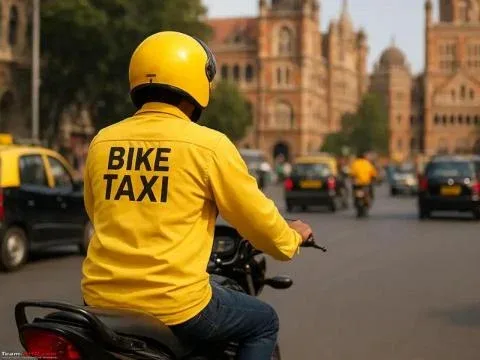
Maharashtra sets a July 2027 deadline for bike taxi electrification.
Operators have six months to comply, with some extensions available.
Concerns over affordability and charging infrastructure persist among riders.
The Maharashtra government has announced a firm deadline of July 2027 for bike taxi aggregators, including major players like Rapido, Uber, and Ola, to transition their fleets entirely to electric two-wheelers. This decision is part of the Maharashtra Bike Taxi Rules, 2025, which mandates that a specific percentage of electric vehicles (EVs) must be included in the fleets operated by these companies.
Under the new regulations, operators currently using petrol-powered two-wheelers are required to comply within six months. However, those who have applied for provisional or temporary licenses under the 2025 rules will be granted an additional three months to meet the electrification requirements. This structured timeline aims to facilitate a smoother transition to electric mobility in the state.
The Maharashtra Bike Taxi Welfare Association has expressed concerns regarding the feasibility of this transition, advocating for an 18-month period instead. Their petition highlights the financial challenges faced by many riders, who predominantly come from lower-income backgrounds, and the insufficient EV charging infrastructure that could hinder widespread adoption of electric bikes. Additionally, aggregators have requested an extension until 2030 to allow for staggered investments, but the government has opted for a more immediate approach.
Reports indicate that the state government previously considered allowing a mixed fleet of petrol and electric two-wheelers at a 50:50 ratio. However, this proposal was dismissed due to fears that it would lead to delays in the electrification process, even with investment opportunities available. As the deadline approaches, riders have raised significant concerns about the high costs associated with switching to electric vehicles, including financing new bikes and the potential impact on their finances due to lower resale values.
Looking ahead, the Maharashtra government’s decision is poised to reshape the bike taxi landscape significantly. As the transition deadline approaches, it remains to be seen how aggregators will adapt to these regulations and what measures will be taken to address the concerns raised by riders regarding affordability and infrastructure. Stakeholders are urged to collaborate to ensure a successful shift towards electric mobility in the region.