Maharashtra Innovator Extends Bajra Flour Shelf Life to Six Months
Vidhya Parshuramkar's breakthrough in food technology is transforming millet nutrition for rural schoolchildren.
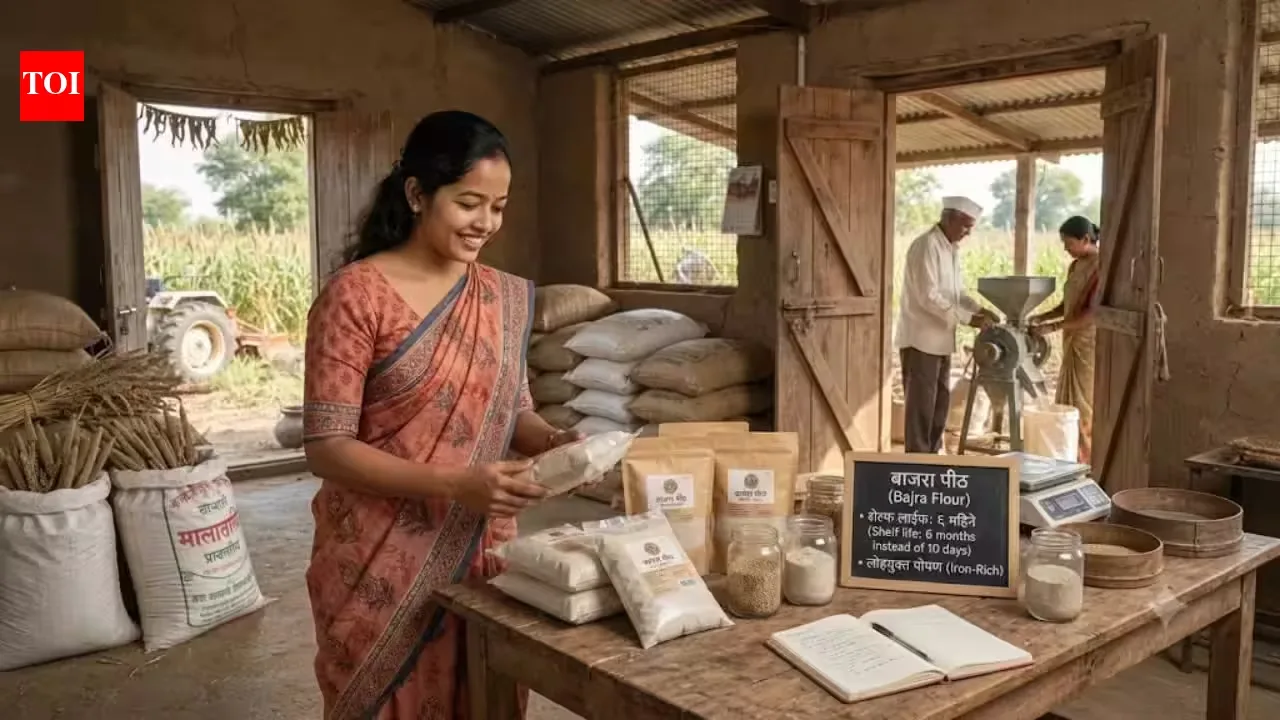
Vidhya Parshuramkar developed Hydro-NIR technology to extend bajra flour's shelf life from 10 days to six months.
Her initiative, Nutri Dabba, now provides millet-based nutrition to over 400,000 schoolchildren in rural areas.
Vidhya's work has earned her recognition on the TIME100 Next India 2026 list for her contributions to nutrition and rural development.
A significant breakthrough in food technology has emerged from Maharashtra, where Vidhya Parshuramkar has successfully extended the shelf life of bajra flour to six months. This innovation is particularly crucial for rural schoolchildren, as it allows for easier distribution and access to nutritious food. Vidhya's journey began with her personal struggle with iron deficiency, prompting her to explore solutions that could benefit thousands of children facing similar nutritional challenges.
Vidhya, a daughter of a farmer, pursued her master's degree in food technology at IIT Kharagpur, where she became aware of the nutritional value of millets, especially pearl millet, which is rich in iron. However, she discovered that the challenge was not just identifying nutritious foods but also making them accessible and suitable for large-scale distribution. This realization led her to focus on bajra, a grain that has been a staple in Indian diets but is often overlooked in modern nutrition.
The primary hurdle Vidhya faced was the short shelf life of bajra flour, which typically lasts only 10 to 15 days due to the activity of lipase, an enzyme that causes rancidity. To combat this, she developed Hydro-NIR technology, which effectively deactivates the enzyme, extending the flour's shelf life significantly without the use of preservatives. This innovation not only preserves the nutritional content but also facilitates the storage and transportation of millet-based products, making them more accessible to rural communities.
Vidhya's initiative, Nutri Dabba, aims to improve children's access to millet-based nutrition by providing products like cookies and laddoos in schools. Originally a small-scale project, it has grown to benefit over 400,000 children, particularly in rural areas, addressing iron deficiency and promoting healthier eating habits. The initiative also empowers rural women by involving them in the production and distribution of these nutritious snacks, thereby creating livelihoods within the communities.
Recognized for her impactful work, Vidhya was awarded the Rohini Nayyar Prize 2025, becoming its youngest and first female recipient. Her recognition on the TIME100 Next India 2026 list underscores her contributions to nutrition, food innovation, and rural development. Vidhya's journey illustrates how addressing existing nutritional challenges with innovative solutions can lead to significant improvements in community health and well-being.