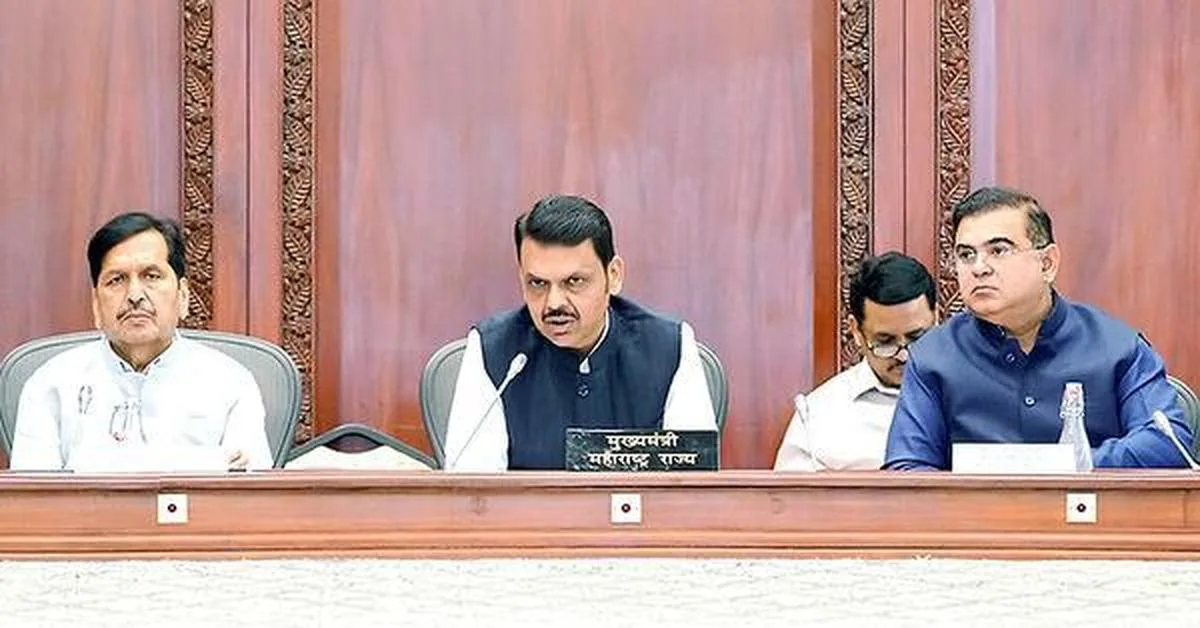
Maharashtra Implements Water Management Plan Amid Drought
As Maharashtra faces severe drought conditions, a comprehensive water management strategy prioritizes drinking water and imposes strict regulations on industries and agriculture.
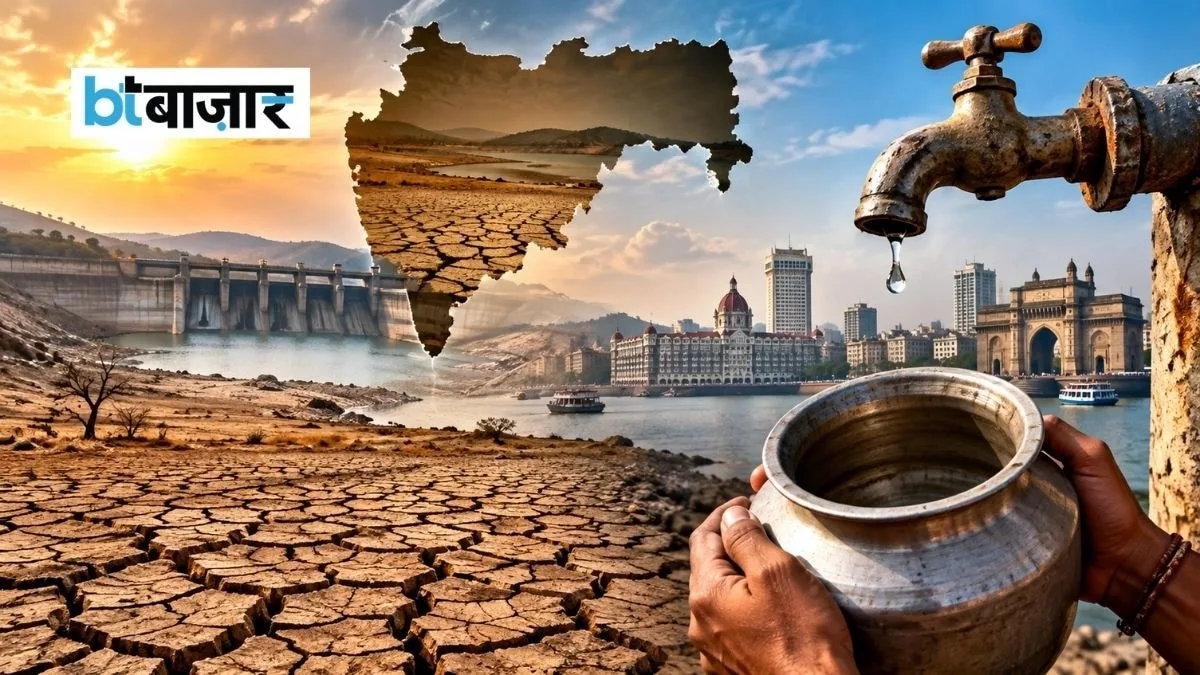
Maharashtra's water management plan prioritizes drinking water until August 2027.
Factories must recycle 30% of their water usage; agriculture faces strict water allocation.
The state has declared drought in 75% of its sub-districts, prompting economic concerns.
Maharashtra's Water Resources Minister Girish Mahajan announced a strategic water management plan aimed at addressing the state's ongoing drought, which prioritizes drinking water until August 31, 2027. The plan, reported by the Indian Express, takes into account factors such as evaporation, siltation, and unauthorized water extraction to assess available water supplies. To prepare for unpredictable rainfall, authorities will maintain a 10% emergency buffer in reservoirs and may utilize water from dead storage after a technical evaluation in extreme situations.
The restrictions imposed by the state extend beyond residential areas, affecting industries and agriculture significantly. Factories are mandated to recycle or reuse at least 30% of their water consumption, while local authorities are tasked with identifying and repairing leaks. Additionally, sewage treatment plants must operate at full capacity, with treated wastewater designated for gardening, construction, and washing purposes instead of relying on fresh water.
In the agricultural sector, the government has prioritized drinking water, livestock, and fodder needs over irrigation. Authorities will focus on supporting rabi foodgrain and fodder crops first, followed by other rabi crops, with water for perennial crops only supplied if resources allow. The government is also promoting water-saving irrigation techniques to mitigate the impact of the drought.
The urgency of these measures is underscored by one of the weakest monsoon seasons in recent years, with rainfall recorded at 12.6% below the long-term average, the largest deficit since 2015. Consequently, Maharashtra has declared drought conditions in approximately 75% of its 358 sub-districts and announced over ₹6,700 crore in relief measures, including farm-loan restructuring and emergency employment funding. The lack of adequate rainfall has severely depleted reservoirs, threatening key crops such as rice, sugar cane, and soybeans, while also impacting hydropower generation and contributing to rising food inflation.
To combat unauthorized water extraction, the state plans to establish joint squads to monitor dams, rivers, and canals. The economic implications of Maharashtra's water crisis are significant, as the state houses Mumbai and major corporations like Reliance Industries and Tata Group. With water restrictions now affecting households, industries, and farms alike, the drought poses a growing risk to the state's economy and business environment, highlighting the urgent need for sustainable water management solutions.