Maharashtra Implements 10% Water Rationing Amid Drought Concerns
Maharashtra announces a 10% water cut due to insufficient monsoon rainfall, with neighboring states also facing water shortages.
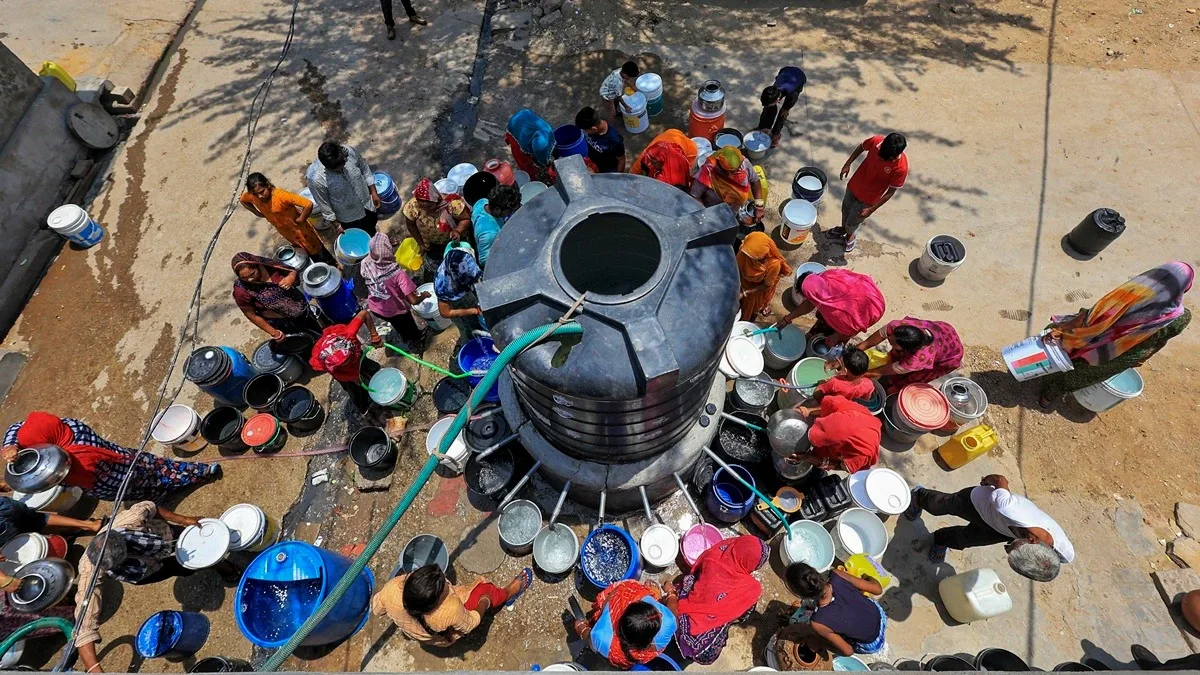
Maharashtra to enforce a 10% water cut starting October 16.
Karnataka seeks over ₹7,000 crore in drought relief as 217 taluks are affected.
Gujarat's dam levels vary significantly, with 109 out of 206 dams below 50% capacity.
Maharashtra has declared a 10% reduction in water supply across both urban and rural areas, effective from October 16, due to inadequate monsoon rains that have strained reservoir levels. The state's Water Resources Minister, Girish Mahajan, emphasized the need for this measure to combat the risk of drought-like conditions as the monsoon season has concluded.
The situation in Maharashtra is compounded by uneven water levels in neighboring Gujarat, where 109 of the 206 dams were reported to be below 50% capacity by the end of September. Meanwhile, Karnataka has declared a drought in 177 of its taluks and is seeking substantial financial assistance from the central government to address the crisis. This scenario highlights the broader implications of a weak monsoon and the challenges posed by the developing El Niño phenomenon.
Minister Mahajan noted that the government has planned water management strategies through August 2027, prioritizing drinking water supply. Municipalities and local authorities have been instructed to implement the water cut and enhance efforts to reduce wastage, including initiatives to repair leaks and optimize sewage treatment processes. Additionally, industries are required to recycle at least 30% of their water usage.
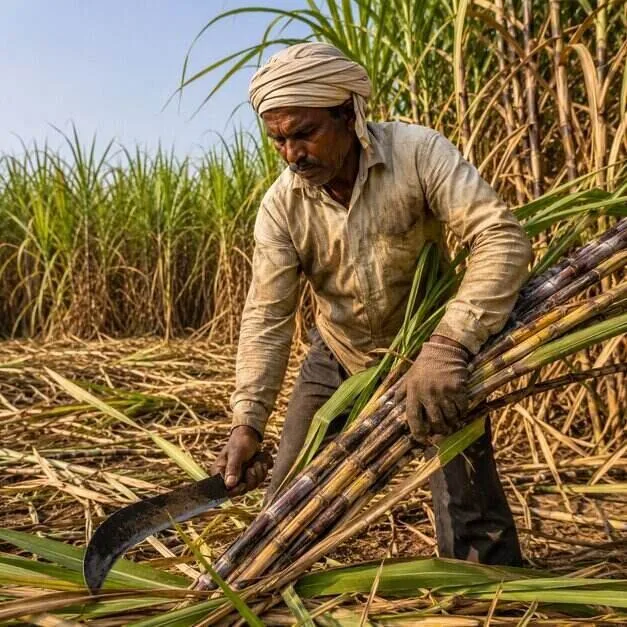
The impact of these water shortages is expected to be significant as the agricultural sector prepares for the Rabi season. Maharashtra has prioritized irrigation for food grains and fodder, while perennial crops will only receive water if available supplies allow. The contrasting dam levels in Gujarat further illustrate the regional disparities in water availability, with some reservoirs full while others remain critically low.
As the situation evolves, the influence of El Niño on rainfall patterns will be closely monitored. While it is a significant factor, other elements such as ocean temperatures and local weather systems also play crucial roles in determining India's rainfall. The coming months will be critical in assessing the long-term implications of this year's monsoon deficits and the ongoing water crisis.