Maharashtra Implements 10% Water Cuts Amid Drought Crisis Starting October 16
As Maharashtra faces its worst drought in years, the state government announces significant water supply reductions effective October 16.
265 out of 358 talukas in Maharashtra are now officially drought-affected.
The state has recorded a 12.6% rainfall deficit this monsoon season, the worst since 2015.
A relief package of Rs 6,700 to 7,000 crore has been announced, but farmers deem it insufficient.
On October 7, 2026, Maharashtra's government declared a severe drought affecting approximately 75% of its talukas, leading to a mandatory 10% reduction in water supply for households, industries, and irrigation starting October 16. This decision comes after the state experienced its weakest monsoon since 2015, with significant implications for agriculture and water management.
The drought designation now applies to 265 of the state's 358 talukas, with rainfall recorded from June to September falling 12.6% below the long-term average. Water Resources Minister Girish Mahajan highlighted the urgency of the situation, stating that the department has developed a comprehensive water management plan prioritizing drinking water over agricultural and industrial needs. If reservoir levels continue to decline, further cuts may be necessary.
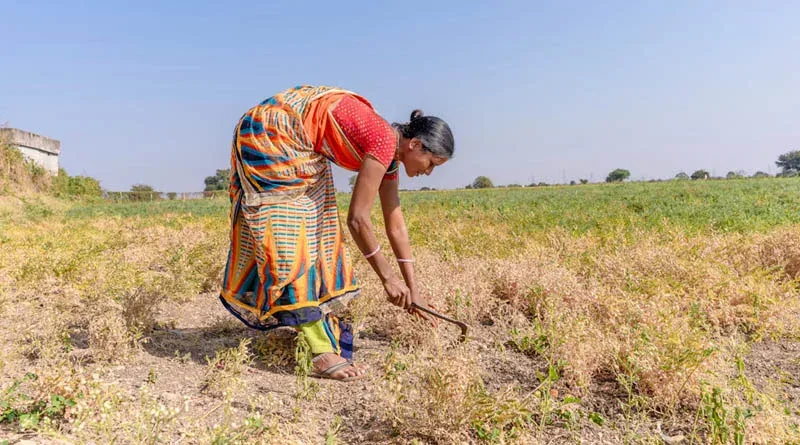
The impact of the drought is particularly severe in the districts of Latur, Beed, and Dharashiv, which cover about 25,400 square kilometers. Farmers report that soybean crops, which typically thrive in the region, have been completely destroyed due to insufficient rainfall and delayed monsoon onset. District collector Dr. Bharat Bastewad warned that conditions are expected to remain challenging into 2027, prompting the need for careful water management.
The economic ramifications extend beyond agriculture, affecting Maharashtra's substantial contribution to India's GDP, which stands at nearly 14%. Major industrial players, including Reliance Industries and Tata Group, face water-related risks that could impact their operations. Additionally, food inflation in the state has risen for seven consecutive months, directly linked to the reduced kharif harvest.
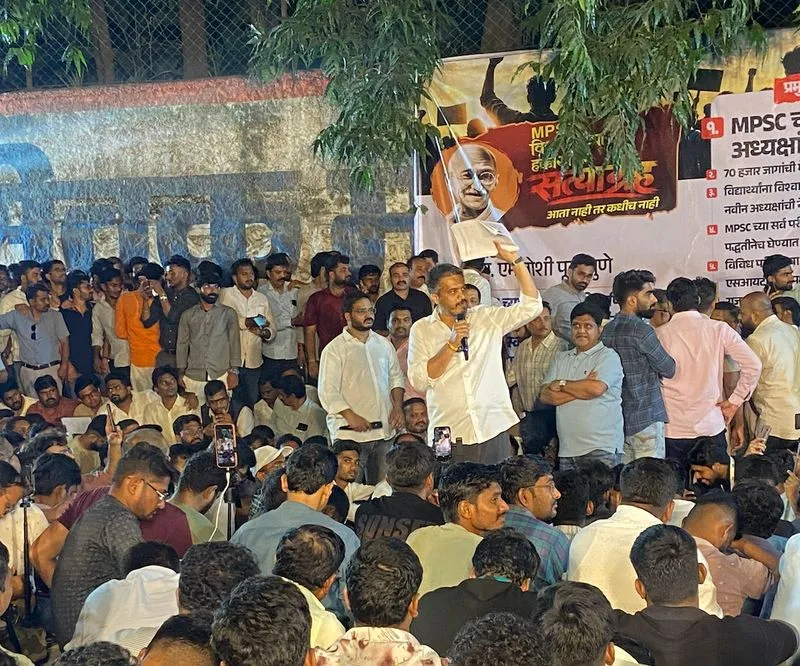
In response to the crisis, the state government announced a relief package of Rs 6,700 to 7,000 crore aimed at supporting rural employment and restructuring farm loans. However, many farmers and opposition leaders have criticized the package as inadequate compared to the scale of losses experienced. As the situation develops, stakeholders in agriculture and related sectors are bracing for a challenging rabi season ahead.