Maharashtra Government Responds to MPSC Protests with Inquiry Committee
In a significant move, the Maharashtra government has formed a five-member inquiry committee following extensive protests by MPSC aspirants demanding accountability for paper leaks.
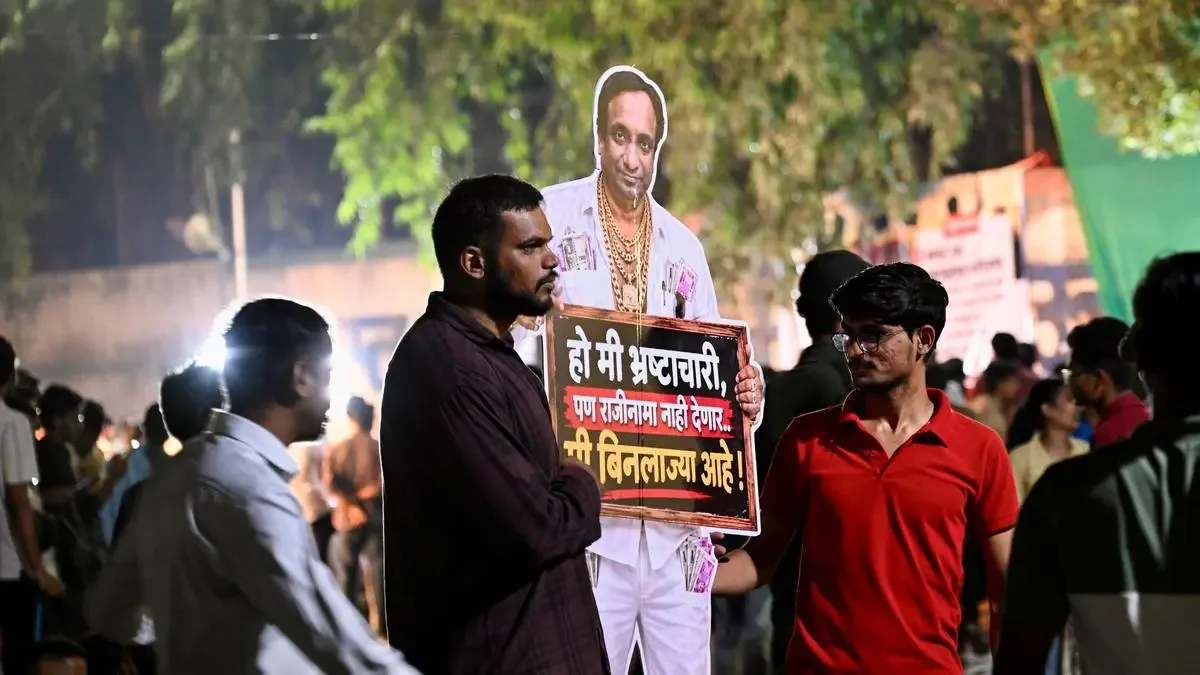
Vivek Bhimanwar, Chairman of MPSC, was placed on leave after protests.
A five-member inquiry committee will investigate the allegations surrounding the commission.
The protests reflect growing student unrest over recruitment delays and exam integrity.
On October 12, Vivek Bhimanwar, the Chairman of the Maharashtra Public Service Commission (MPSC), was placed on compulsory leave after an 11-day sit-in protest by thousands of aspirants in Pune. The protests, which began on October 2, were fueled by demands for Bhimanwar's resignation due to ongoing issues with paper leaks within the commission, which oversees recruitment for state government positions.
The sit-in at S.M. Joshi Bridge concluded when the Maharashtra government announced the formation of a five-member inquiry committee, headed by retired High Court judge Dilip Bhosale, with IAS officer Tukaram Mundhe serving as secretary. Bhimanwar stated on social media that he would remain on leave until the inquiry's completion. This decision marks a notable shift for the ruling BJP, which has historically confronted student protests rather than accommodating them.
The discontent among MPSC aspirants has been building for years, exacerbated by a stagnation in the recruitment process. The BJP's election manifesto had promised to fill 70,000 vacant government positions, yet little progress has been made since their re-election nearly two years ago. Additionally, a significant leak of a drug inspector recruitment exam paper in March further fueled student outrage, leading to a series of demands for reform and accountability from the MPSC.
Initially, the Maharashtra government was slow to respond, ignoring student grievances for nearly two months. However, following widespread protests linked to the NEET paper leak, the government began to take the MPSC situation more seriously. A seven-member high-level panel was established to address reforms, but students continued to insist on Bhimanwar's removal, believing the government was deliberately neglecting their demands.
The protests gained traction as opposition parties, including the Congress and the Nationalist Congress Party, rallied behind the students. Political tensions escalated as the BJP attempted to undermine the protests by labeling them as politically motivated. Despite these efforts, the students maintained their demands, culminating in the government's decision to form the inquiry committee. This development not only highlights the students' resolve but also indicates a potential shift in the BJP's approach to student activism in Maharashtra, suggesting a need for greater engagement with the youth electorate moving forward.