Maharashtra Forecasts Revenue Deficit of 0.7% by 2026-27
Despite a robust tax base and low debt, Maharashtra is projected to face a revenue deficit, raising concerns about fiscal sustainability.
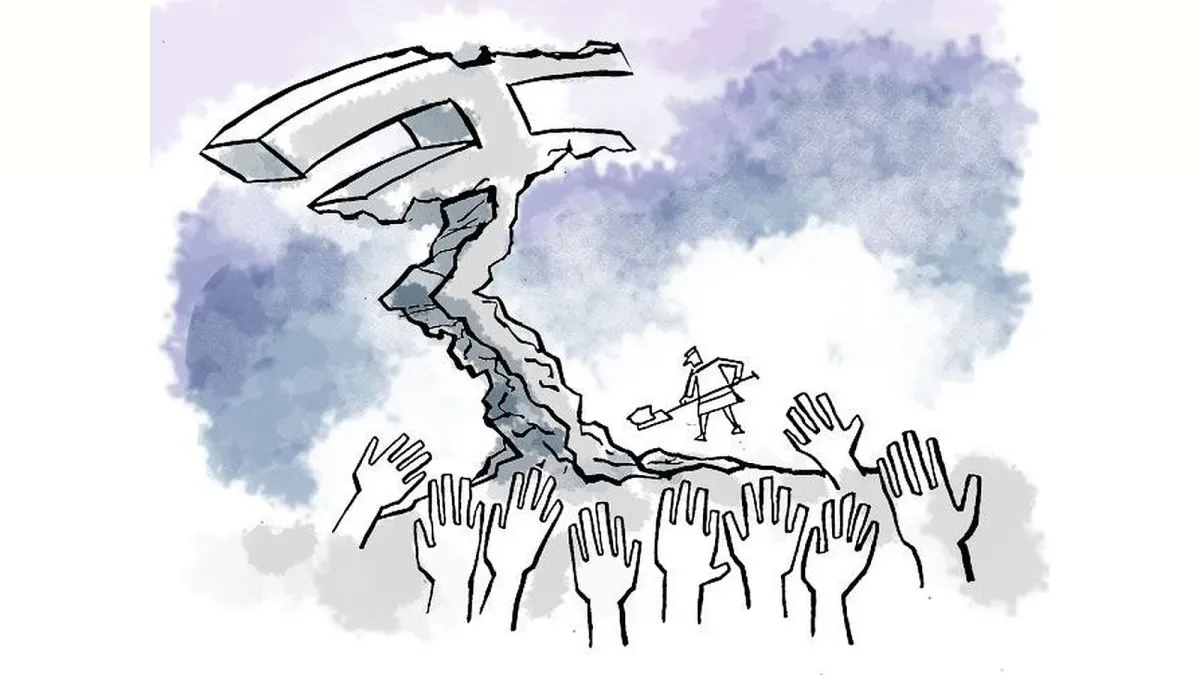
Maharashtra's revenue deficit expected at 0.7% of GSDP by 2026-27
Over 80% of state expenditure is on revenue, limiting flexibility
16th Finance Commission recommends rationalizing cash transfer schemes
Maharashtra is anticipating a revenue deficit of 0.7% of its Gross State Domestic Product (GSDP) by the fiscal year 2026-27, despite maintaining a strong tax base and one of the lowest debt levels in the country. This projection raises concerns about the state's fiscal health and sustainability as it navigates its financial obligations.
Historically, Maharashtra has been recognized for its fiscal discipline, with its outstanding debt remaining below 20% of GSDP, in accordance with the recommendations from the FRBM Review Committee. The state’s own tax revenue, which includes state Goods and Services Tax (GST), stamp duty, and VAT, is estimated at 7.7% of GSDP, surpassing the national average of 7%. However, the increasing revenue deficit indicates a shift in financial dynamics that could impact future budgeting and spending.
According to a report by PRS Legislative Research, more than 80% of Maharashtra's total expenditure is allocated to revenue expenses, which include administrative costs, subsidies, and interest payments. Specifically, for every Rs 100 generated in revenue receipts, approximately Rs 52 is directed towards interest payments and salaries, leaving limited room for other essential expenditures. Additionally, unconditional cash transfer schemes account for 6% of the state's revenue receipts, further straining fiscal resources.
The implications of this projected revenue deficit are significant for both the state and its residents. As Maharashtra grapples with its fiscal challenges, the 16th Finance Commission has recommended a reevaluation of cash transfer schemes to alleviate the financial burden. The report highlights that Maharashtra's share in the divisible pool of central taxes has seen a slight increase, from 2.59% to 2.64%, which may provide some relief in the long run.
Looking ahead, the state will need to implement strategic measures to address its revenue deficit and ensure fiscal sustainability. The upcoming fiscal years will be crucial as Maharashtra seeks to balance its budget while continuing to support its population through essential services and programs. Stakeholders will be closely monitoring the state's financial strategies and the potential impact of national fiscal policies on local governance.