Maharashtra Farmer Shankar Kshirsagar Dies by Suicide Amid Crop Failure
Shankar Kshirsagar, a farmer from Latur, took his life after facing severe financial distress due to crop failure and medical college fees for his daughter.
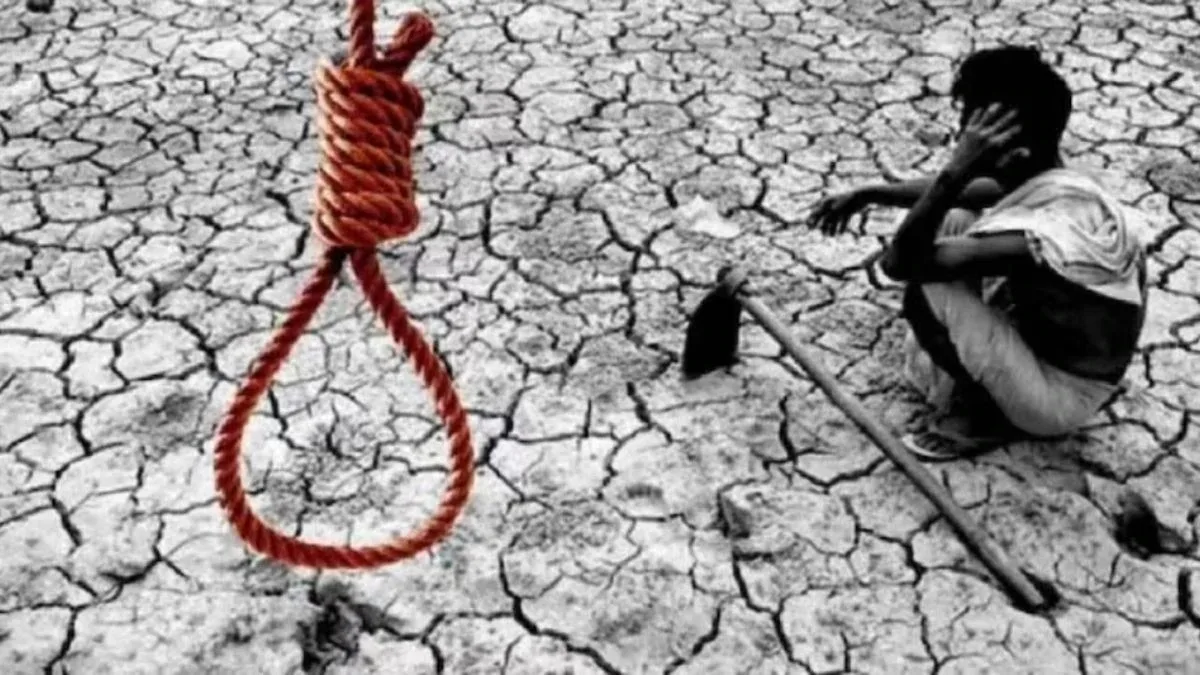
Shankar Kshirsagar, 46, died by suicide in Latur, Maharashtra.
He recorded a video expressing his distress over crop loss and unpaid medical fees.
Despite government announcements, he did not receive relief for his soybean crop failure.
In a tragic incident from Maharashtra's Latur district, 46-year-old farmer Shankar Abanrao Kshirsagar took his own life on Monday after enduring significant financial strain due to crop failures and mounting medical college fees for his daughter. Prior to his death, Kshirsagar posted a heartfelt video online, pleading for assistance from authorities regarding the lack of government relief following the loss of his soybean harvest during an extended dry spell.
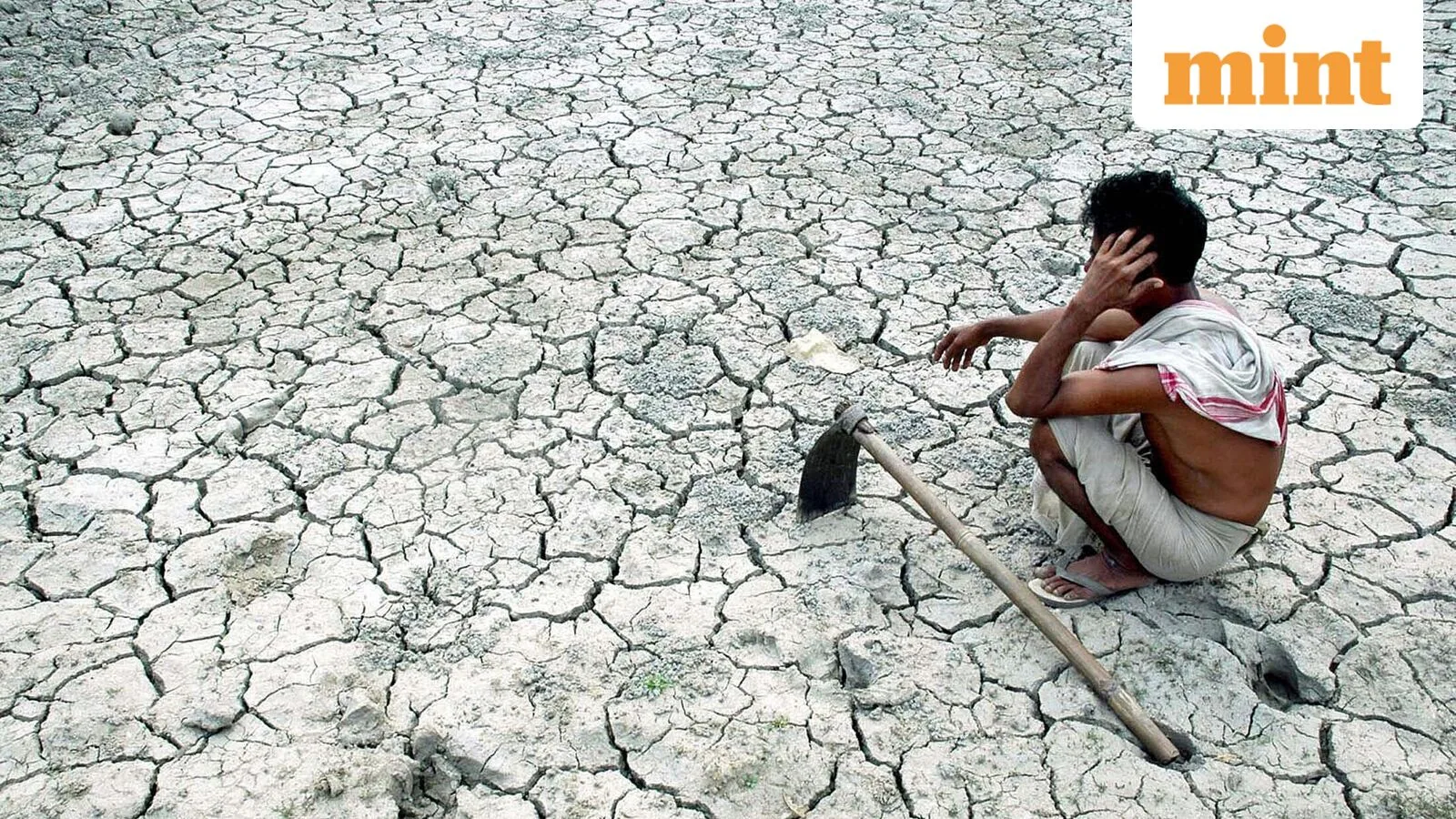
Kshirsagar, a resident of Borgaon village, had cultivated soybean on his small plot of land, hoping for a fruitful yield. Unfortunately, a prolonged period of insufficient rainfall severely affected his crop, leading to substantial financial losses. His daughter, who is pursuing a medical degree, faced escalating tuition fees, which were not waived despite his application for relief under government provisions for drought-affected farmers.
The financial pressures stemming from the failed harvest, coupled with outstanding loans and his daughter's educational expenses, created a distressing situation for Kshirsagar. According to Assistant Police Inspector Bodhankar of the Limbgaon police station, these factors contributed to his emotional turmoil. On the day of his death, Kshirsagar recorded a video on his mobile phone, expressing his grievances and uploaded it to social media, which led to concern among his relatives and authorities.
When his family and police began searching for him after viewing the video, they tragically discovered him hanging at his farm. In the video, Kshirsagar specifically addressed the district collector, questioning why he had not received any benefits from loan waiver schemes and why his daughter's medical fees remained unpaid despite the government's announcements regarding fee concessions for children of drought-affected farmers.
This heartbreaking incident highlights the severe challenges faced by farmers in Maharashtra, particularly in the wake of natural disasters that lead to crop failures. The implications of such tragedies extend beyond individual families, raising urgent questions about the effectiveness of government support systems for farmers in distress. As the community mourns Kshirsagar's loss, it underscores the need for timely interventions and comprehensive support for those affected by agricultural hardships.