Maharashtra Faces Surge in Protests Over Development Projects
A wave of protests across Maharashtra highlights growing public dissent against various government initiatives, from infrastructure to environmental concerns.
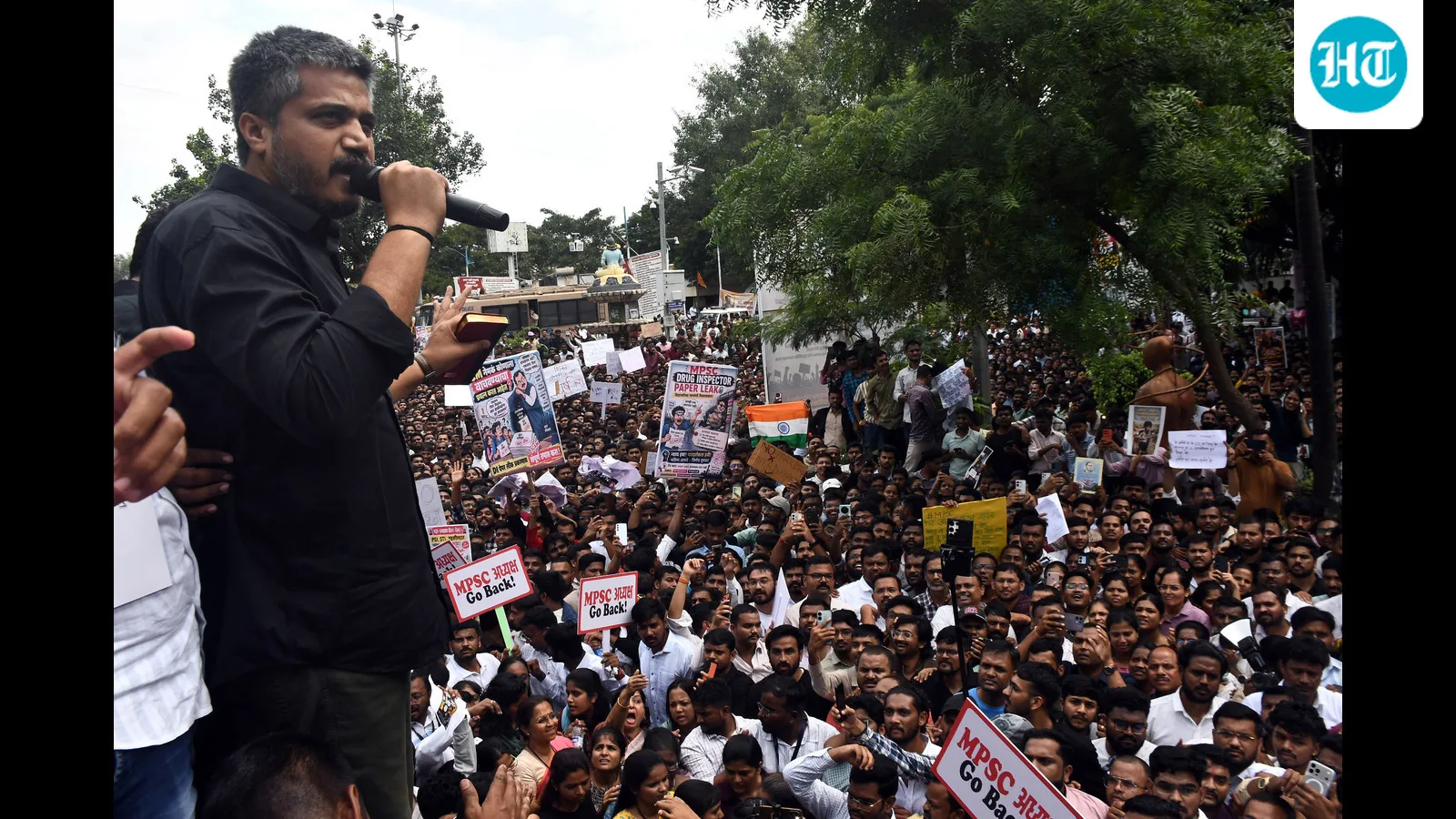
Protests have erupted against multiple government projects, including data centers and highways.
Political leaders and local communities are increasingly mobilizing around these issues.
The government faces challenges in addressing public concerns and ensuring transparent consultations.
Maharashtra is currently experiencing a significant increase in protests related to various government initiatives. Demonstrations have emerged against a range of projects, including an AI data center, hydropower developments, and infrastructure expansions. This trend reflects a growing public engagement with issues that directly affect local communities and their livelihoods.
In recent weeks, notable protests have taken place across the state. For instance, in Ujani, opposition leaders, including NCP (SP) MLA Rohit Pawar, organized a road blockade against a proposed AI data center and energy projects. Similarly, in Karjat, plans to fell over 32,000 trees for a hydropower project sparked outrage among local villagers, environmental activists, and political figures. In Palghar, residents and fishing communities rallied against the Vadhavan port project, showcasing the diverse nature of the protests.
The protests are not limited to environmental concerns; they also encompass issues related to public service examinations. In Pune, aspirants for the Maharashtra Public Service Commission (MPSC) protested for 11 days over examination irregularities, leading to a significant political discourse. The agitation concluded with the government agreeing to a time-bound inquiry, demonstrating the impact of public mobilization on political accountability.
The implications of these protests extend beyond immediate grievances. They signify a shift in how political parties and activist groups engage with local communities. The involvement of opposition leaders in these movements indicates a strategic effort to challenge government narratives, particularly regarding land acquisition and environmental sustainability. The protests raise critical questions about the balance between development and community rights, urging the government to address public concerns more transparently.
Looking ahead, the government faces the challenge of ensuring that public consultations are meaningful and not merely procedural. As various projects progress through approval stages, it is essential for the administration to provide clear information regarding environmental impacts, resource requirements, and community benefits. The ongoing protests may serve as a catalyst for more inclusive dialogue, but they also highlight the need for the government to engage with facts and alternative solutions rather than dismissing dissent as politically motivated.