Maharashtra Faces Power Crisis Amid Data Centre Expansion
As Maharashtra's data centre capacity grows, residents endure escalating power cuts, raising concerns over the state's energy infrastructure.
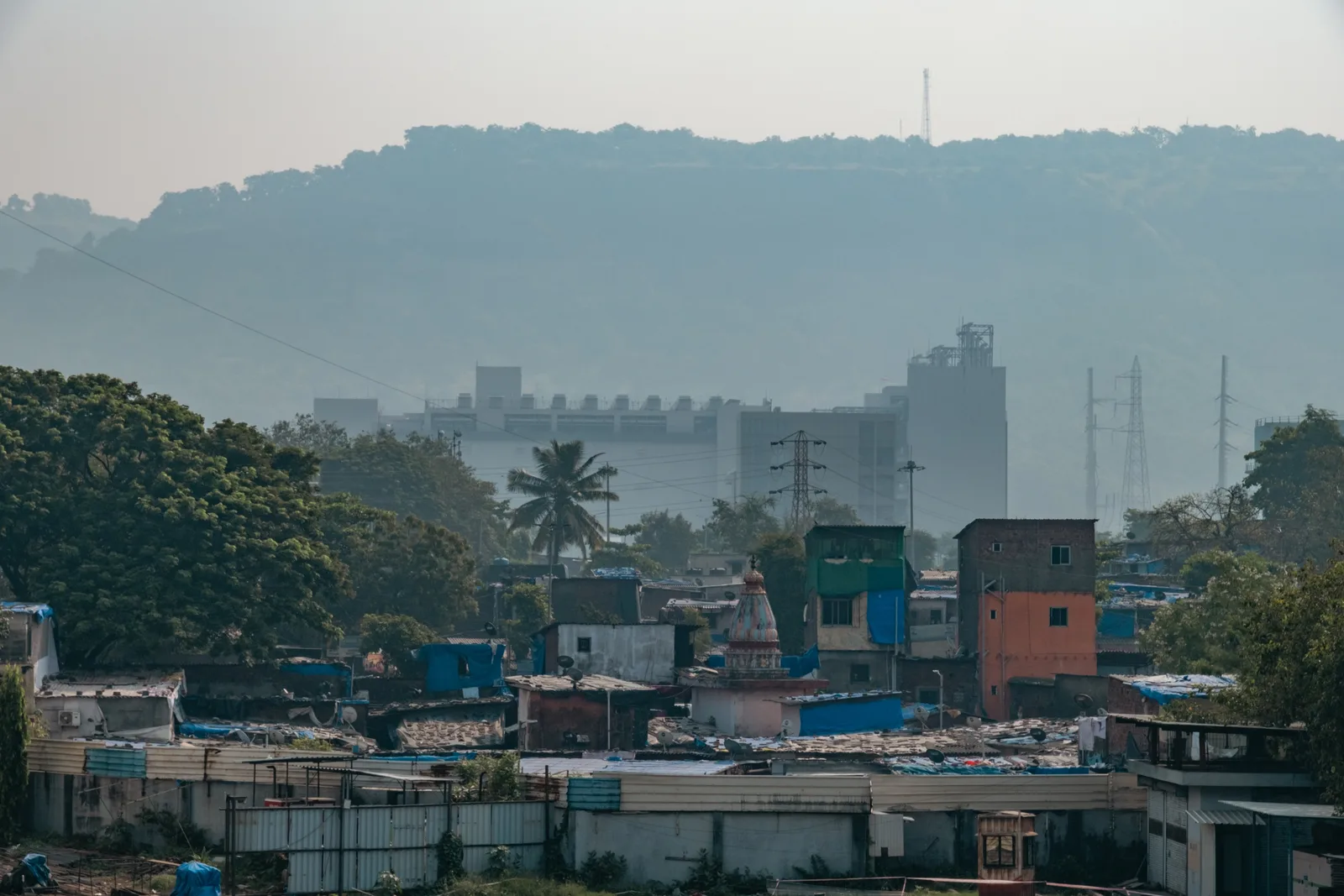
Power demand in Maharashtra surged by 52.86%, outpacing energy supply increases.
Over 270 data centres operate in India, with Maharashtra hosting 60% of the nation's capacity.
Residents faced significant outages, with 28.127 million units not supplied in June 2026 alone.
Maharashtra is grappling with a significant power crisis as the demand for electricity continues to rise, particularly in urban areas like Mumbai. Recent data indicates that power demand in the state has surged by 52.86%, while the increase in energy supplied has only reached 51.98%. This imbalance has led to widespread power cuts, with residents in Pune's Ravet protesting after enduring a 48-hour blackout. Chief Minister Devendra Fadnavis has acknowledged the situation, emphasizing the need for infrastructure improvements to support the burgeoning data centre industry.
The rapid expansion of data centres in Maharashtra, which now account for 60% of India's total capacity, has contributed to the strain on the state's power grid. The state government has fast-tracked land distribution for these facilities, with significant clusters emerging in areas like Mahape. However, this growth has not been matched by a corresponding increase in energy supply, leading to frequent outages. Between May and June 2026, Navi Mumbai experienced scheduled power cuts lasting between 6 to 12 hours, with transformers tripping due to excessive load.
Data from the Maharashtra State Electricity Distribution Co. Ltd. (MSEDCL) reveals that the state faced a staggering 28.127 million units of unsupplied electricity in June alone. This figure, while only 0.15% of the total energy supplied, is enough to power over 93,000 homes for a month. The situation has prompted questions about the sustainability of Maharashtra's power infrastructure, especially as the average daily power demand in Mumbai has increased from 2,000 MW in May 2020 to 3,500 MW in May 2026.
The implications of this power crisis extend beyond mere inconvenience for residents. The state aims to increase its data centre capacity to 5.7 GW by 2031, yet the current energy demands are already leading to forced outages, particularly in regions outside Mumbai where MSEDCL operates. The disparity in power supply has raised concerns about equity, as data centres receive priority access to electricity, leaving residential areas to bear the brunt of load shedding.
Looking ahead, the state government must address the growing power demands while continuing to support the data centre industry. As infrastructure upgrades are planned, stakeholders will need to balance the needs of both commercial and residential consumers to ensure a reliable power supply. The coming months will be critical as Maharashtra navigates this complex energy landscape, with potential policy changes and investments aimed at stabilizing the power grid and accommodating future growth.