Maharashtra Faces Drought Crisis Amid Political Controversy
The ongoing drought in Maharashtra not only threatens agricultural livelihoods but also ignites a political struggle over relief distribution.
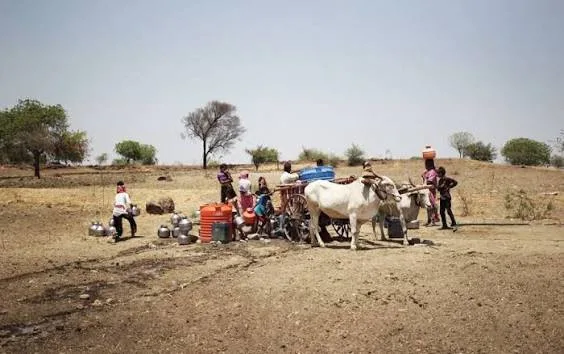
Maharashtra's rainfall deficit stands at 18%, severely impacting agriculture.
Political leaders are competing for their constituencies to be included in drought relief lists.
Historical lessons from past droughts emphasize the need for effective relief mechanisms.
Maharashtra is currently grappling with a significant agricultural crisis due to a severe drought, which has been exacerbated by a deficient monsoon season. As of late September 2026, the state recorded approximately 798.2 mm of rainfall, falling short of the normal 970.9 mm by around 18%. This shortfall has been particularly acute in regions like Marathwada and Vidarbha, where rainfall was reported to be 38% and 23% below normal, respectively. The government has declared 304 out of 358 talukas as drought-affected, yet the distribution of relief has sparked a political contest over which areas receive assistance.
The current drought crisis mirrors the severe agricultural emergency of 1972-73, which highlighted the vulnerability of rural households reliant on agriculture. During that period, the state implemented crucial public employment programs and a public distribution system that prevented widespread famine. This historical context underscores the importance of timely and effective government intervention to protect the livelihoods of farmers and laborers.
In response to the current drought, the Maharashtra government has activated the Drought Management Code of 2016, which outlines specific criteria for assessing drought conditions and determining which areas qualify for relief. However, the selection process has faced scrutiny, particularly when certain areas, such as Mahabaleshwar, known for its heavy rainfall, appeared on the relief list while others, represented by influential political leaders, were initially excluded. This has raised concerns about the fairness and transparency of the assessment process.
The implications of this political struggle extend beyond immediate relief efforts. Farmers are in urgent need of compensation, laborers require work, and villages demand access to drinking water and fodder for livestock. The pressure on government officials to include their constituencies in relief notifications creates a complex political landscape, where the urgency of the crisis can lead to a scramble for inclusion rather than a collaborative approach to drought management.
Looking ahead, it is crucial for the government to refine its assessment methods to ensure that they accurately reflect local conditions. Timely delivery of relief, coupled with investments in sustainable agricultural practices and water management, will be essential in addressing the long-term challenges posed by drought. The lessons learned from past crises must guide current efforts to ensure that relief reaches those most affected, regardless of political influence, thereby safeguarding the livelihoods of Maharashtra's farmers and rural communities.