Maharashtra Election Officials Urge ECI for Voter-Friendly SIR Changes
Election officials in Maharashtra have expressed concerns over the Election Commission's neglect of proposals aimed at simplifying the Special Intensive Revision process for voters.
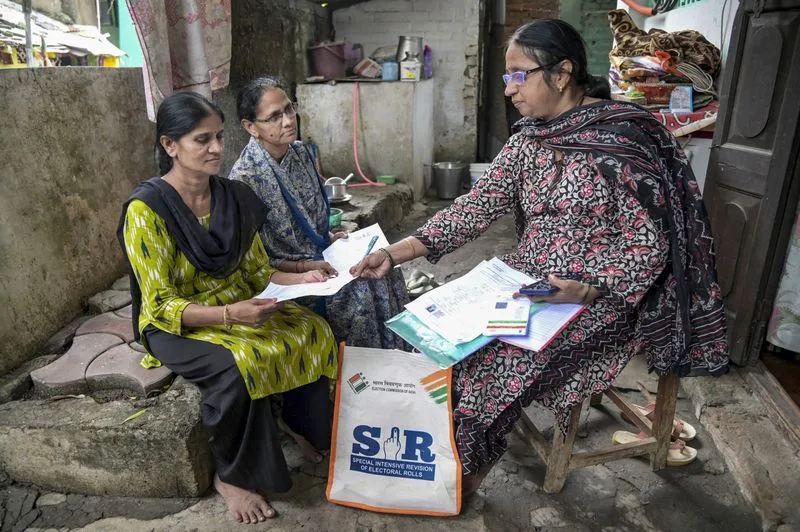
Maharashtra officials proposed measures to ease the SIR process for voters, which were ignored by the ECI.
CEO S. Chockalingam recommended delaying SIR until local elections were completed, but the ECI did not act on this.
Over 13 crore voters have been excluded from the electoral rolls nationwide under the SIR, prompting widespread criticism.
In Maharashtra, election officials have raised alarms regarding the Election Commission of India's (ECI) oversight of proposals intended to simplify the Special Intensive Revision (SIR) process for voters. Reports indicate that these officials, starting from as early as May, suggested various measures to alleviate the burden on voters and election staff, but their recommendations went unheeded by the ECI.
The Chief Electoral Officer (CEO) of Maharashtra, S. Chockalingam, urged the ECI to postpone the SIR until after local body elections. This suggestion was reportedly disregarded, leading to concerns about the efficiency of the ongoing voter registration process. Chockalingam also proposed a simplified enumeration form shortly after the announcement of the third phase of SIR, which would have allowed for pre-filled voter details and easier corrections by voters.
Despite these significant recommendations, the ECI has remained unresponsive, according to sources. The proposed changes could have addressed numerous exclusions caused by minor discrepancies in voter records, which have been a point of contention. The CEO emphasized the need for Electoral Registration Officers (EROs) to have the authority to resolve cases of logical discrepancies following hearings, a request that has seen limited action from the ECI.
The implications of the ECI's inaction are profound, as reports reveal that over 13 crore voters have been excluded from electoral rolls across India due to the SIR process. This has sparked protests from opposition parties, who claim that the ECI's methods are disenfranchising citizens. In Maharashtra, local officials are now left to navigate the complexities of the SIR process, striving to make it as accessible as possible for voters amidst the challenges posed by the ECI's decisions.
Looking ahead, the situation remains fluid as the ECI faces mounting pressure to address these issues. The CEO of Maharashtra has reiterated the need for more powers for local election officials, particularly EROs, to facilitate a smoother voter registration process. As the electoral landscape evolves, the effectiveness of the ECI's response to these challenges will be closely monitored by both officials and the public.