Maharashtra Dams at 44% Capacity Amid Illegal Water Extraction
As summer approaches, Maharashtra faces a critical water shortage with dam levels plummeting to 44% and illegal water lifting on the rise.
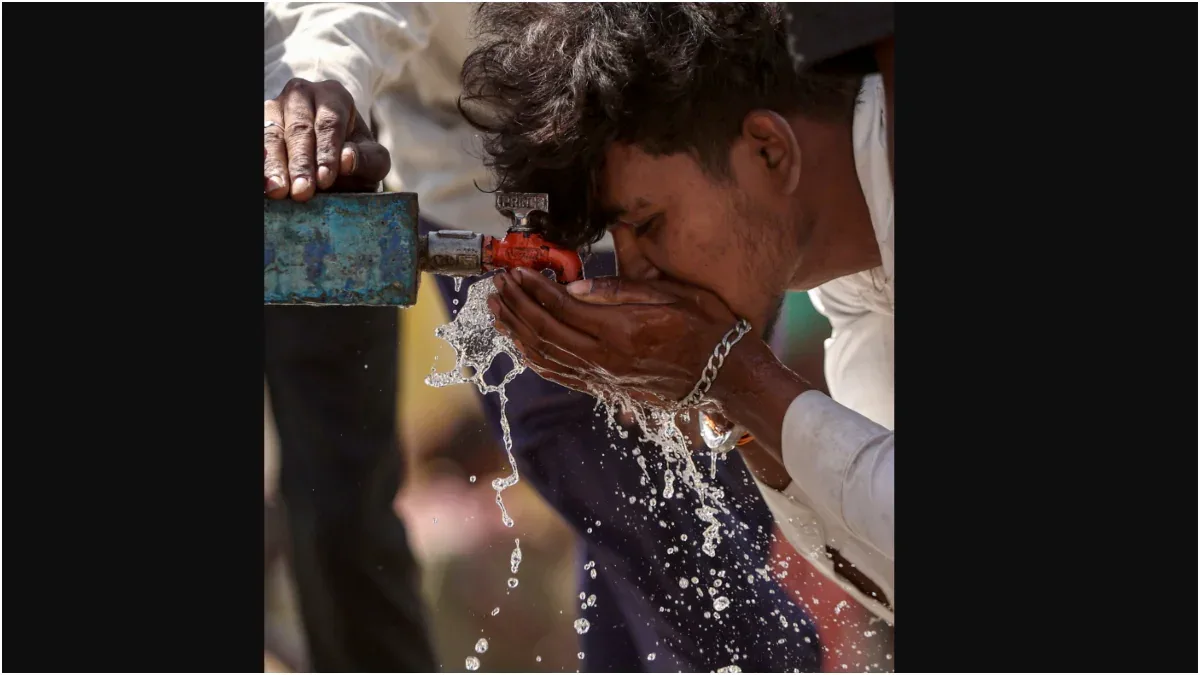
Maharashtra's dam water levels have dropped to 44%, down from 90.55% last year.
Authorities are intensifying patrols to combat illegal water extraction in drought-prone areas.
Regional disparities in water availability highlight the need for careful management and distribution.
As Maharashtra prepares for the summer season, the state's dam water levels have fallen to a concerning 44% of their total capacity, a significant decrease from 90.55% during the same period last year. This alarming trend is compounded by the rising issue of illegal water lifting from reservoirs and other sources, prompting state authorities to take action.
In response to the dwindling water reserves, the Maharashtra government has ramped up efforts to prevent unauthorized extraction. Police have been deployed to monitor key dams, particularly in drought-prone districts, where the risk of illegal water diversion through unauthorized pipelines is high. The situation has become critical, as every drop of water is essential for drinking, agriculture, and other vital needs during the summer months.
The state water resources authorities have highlighted the need for close monitoring, especially in regions heavily reliant on reservoir water. For instance, the Marathwada region has reported alarming water levels at just 29%, compared to 85.86% last year, raising concerns for districts that frequently experience water stress. Conversely, the Konkan region has fared better, showcasing the uneven distribution of water resources across Maharashtra.
The deployment of police around vulnerable dam sites aims to deter illegal water lifting and safeguard public water reserves. Officials have noted that unauthorized withdrawals not only deplete stored water but also complicate the management of supply, particularly when balancing drinking water needs with agricultural demands. The administration's response will hinge on effective enforcement and ongoing monitoring of high-risk areas.
As Maharashtra moves deeper into the summer, the focus will be on conserving and distributing the limited water resources available. With reservoir levels significantly lower than last year, the state must ensure that the remaining water reaches those in need while preventing illegal extraction. The coming months will require careful planning to avoid severe shortages, especially if demand escalates beyond the available supply.