Maharashtra CM Accuses Rahul Gandhi of Constitutional Hypocrisy
In a rally in Thane, CM Devendra Fadnavis criticized Rahul Gandhi and the Congress for undermining constitutional values amid ongoing protests.
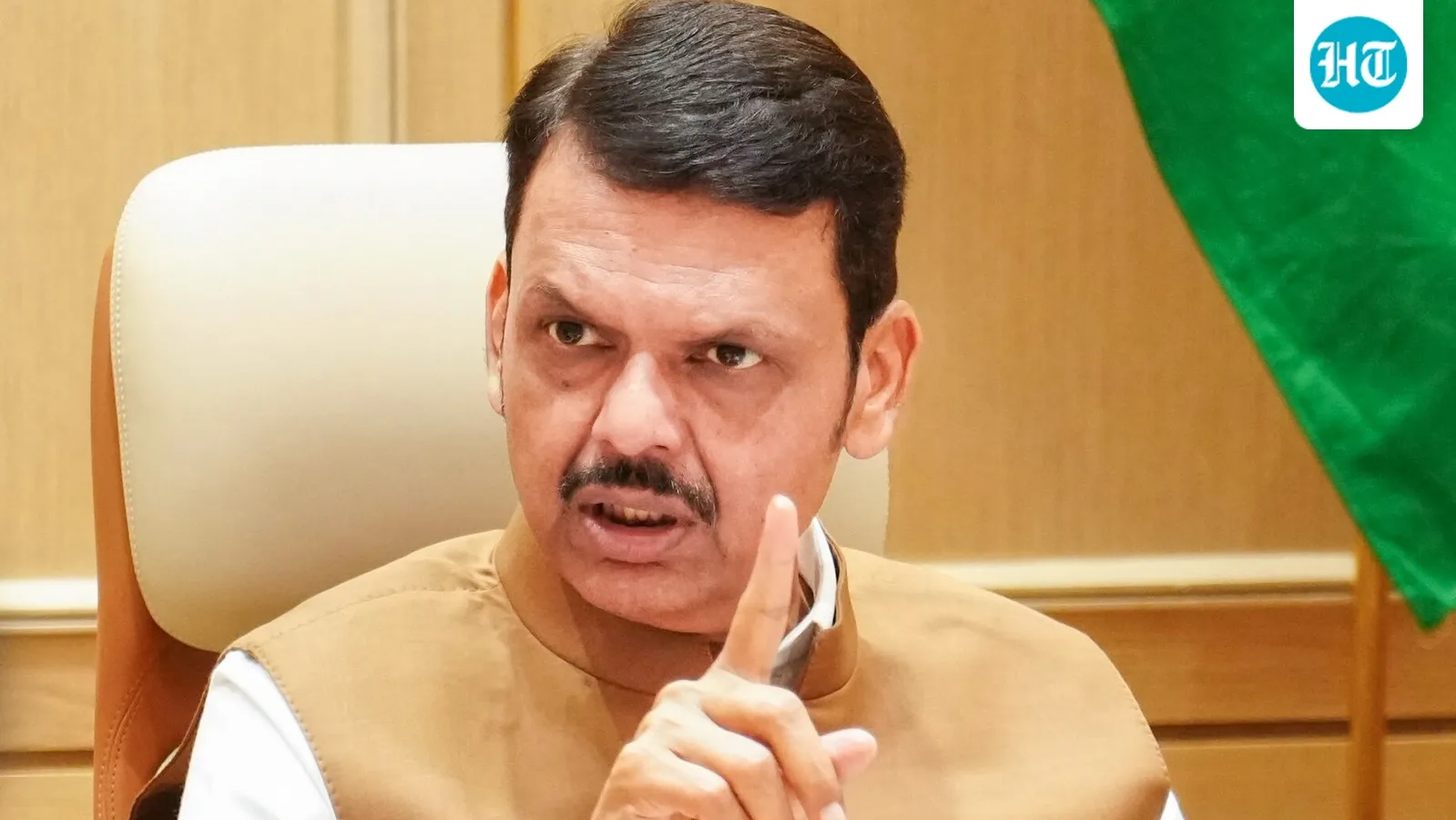
Devendra Fadnavis linked current political unrest to historical events during the 1975 Emergency.
He accused Congress of hypocrisy for allegedly attempting to undermine constitutional institutions.
Fadnavis defended the Special Intensive Revision of electoral rolls against opposition protests.
Maharashtra's Chief Minister Devendra Fadnavis launched a scathing attack on Congress MP Rahul Gandhi during a rally in Thane, where he accused the party of hypocrisy regarding constitutional safeguards. This statement came amid ongoing protests by the Opposition against alleged irregularities in the electoral process and the Chief Election Commissioner, Gyanesh Kumar. Fadnavis drew parallels between the current political climate and the Emergency period imposed by Indira Gandhi in 1975, suggesting that Congress is repeating its historical mistakes.
Fadnavis highlighted how the Emergency led to significant curtailments of fundamental rights and the erosion of democratic institutions, claiming that the Congress party, under Gandhi's leadership, is attempting to undermine the Constitution once again. He stated, "The Janata Party government which came to power in 1977 gave back the powers to the Court. Indira Gandhi’s grandson Rahul is doing the same things." This remark was aimed at emphasizing what he perceives as a continuity of Congress's historical actions against democratic norms.
The Chief Minister further alleged that the Congress party is using the Constitution as a facade while systematically discrediting constitutional institutions to pave the way for a regime influenced by China. He claimed that foreign funding, particularly from China, is being utilized to instigate political unrest in India, drawing comparisons with political changes in neighboring countries like Nepal and Sri Lanka. Fadnavis questioned why Congress had accepted donations from Chinese entities while accusing China of fostering unrest in India.
In defense of the Special Intensive Revision (SIR) of electoral rolls, Fadnavis argued that the opposition's protests stem from the removal of names of deceased voters and alleged illegal immigrants. He challenged Congress to justify its opposition to the deletion of approximately 2.5 crore deceased voters from the electoral rolls, noting that similar revisions had been conducted multiple times during Congress's tenure without protest. He emphasized that this time, political parties have been granted the authority to appoint agents to oversee the process and report discrepancies.
As the political landscape continues to evolve in Maharashtra, the implications of these accusations and the ongoing protests may significantly impact the state's electoral dynamics. With the ruling coalition, including BJP and Shiv Sena, rallying behind Fadnavis, the focus will remain on how these events unfold in the lead-up to future elections and whether the opposition can effectively counter the ruling party's narrative.