Maharashtra Charity Commissioner Denies Rule Proposal Impacting Tata Trusts
The Maharashtra Charity Commissioner clarifies that it did not propose the controversial rule affecting Tata Trusts, which has led to a board freeze.
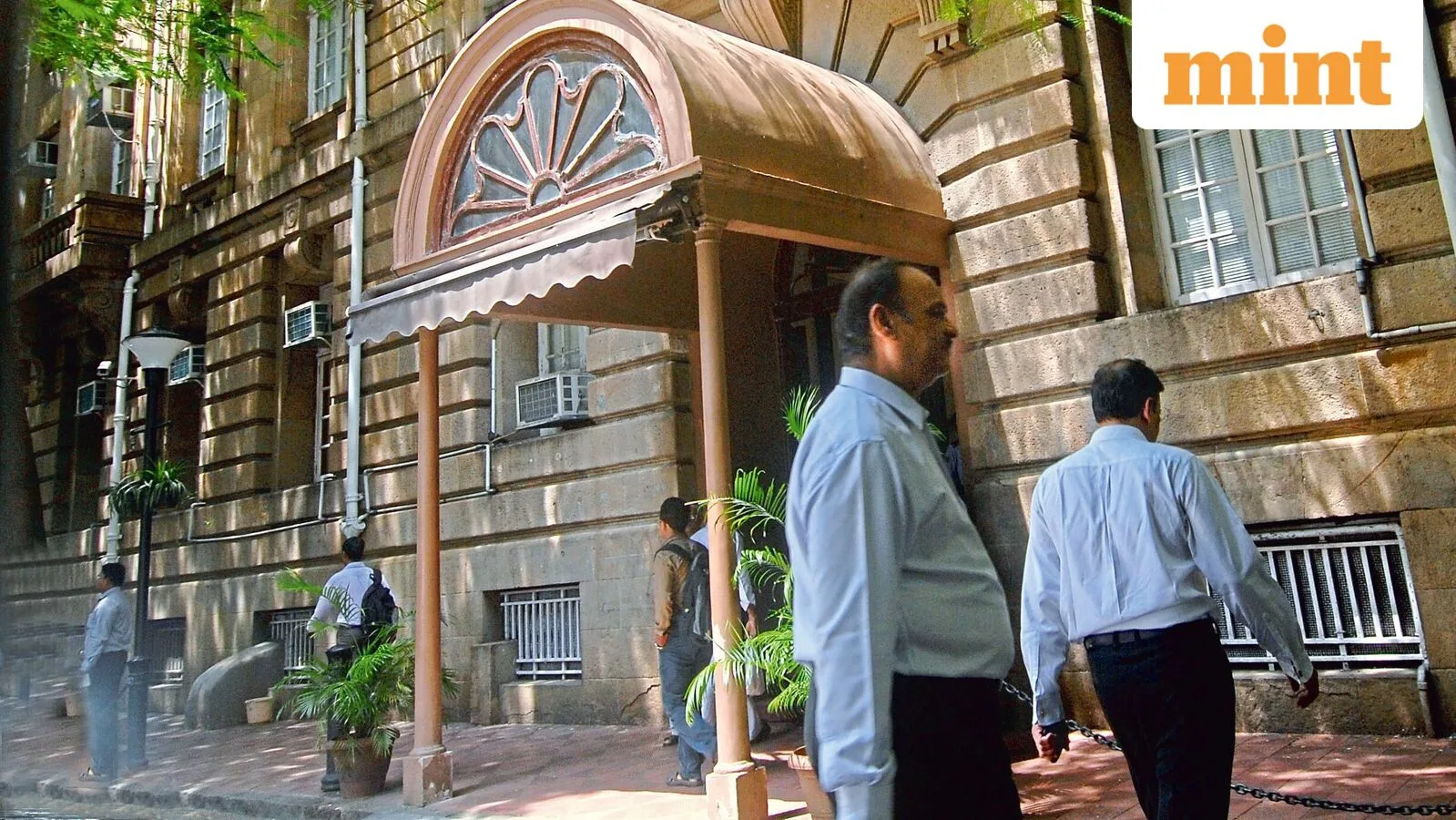
The Maharashtra Charity Commissioner confirmed it did not propose the rule that has frozen the Sir Ratan Tata Trust's board.
The ordinance limiting trustee appointments was issued by the state government and has caused significant operational disruptions.
The deadlock has broader implications for Tata Sons, affecting shareholder meetings and leadership disputes.
In a significant development, the Maharashtra Charity Commissioner has clarified that it did not propose the rule that has paralyzed the Sir Ratan Tata Trust (SRTT) for nearly six months. The rule, which led to the suspension of the trust's board activities, was introduced by the state government and invoked by the commissioner on May 15, 2025. This clarification comes in response to a Right to Information (RTI) query, which revealed that no proposal was sent to the state's Law and Judiciary Department regarding the Maharashtra Public Trusts (Amendment) Ordinance, 2025.
The ordinance, which was promulgated on September 1, 2025, imposed a cap on the number of perpetual trustees at one-fourth of a public trust's total board strength unless stated otherwise in the trust deed. Previously, there was no such numerical limit. The charity commissioner's office reiterated that it had not submitted any proposal related to this amendment, which has led to a deadlock at SRTT, complicating the governance of Tata Sons and delaying its annual general meeting (AGM).
The Law and Judiciary Department, responsible for issuing the ordinance, has not provided details on how the amendment was drafted. Requests for information regarding the drafting process and related communications have been met with claims that the file is still under review at the government level. Experts have pointed out that it is unusual for such amendments to occur without input from the regulatory body overseeing public trusts, suggesting a potential oversight in the legislative process.
The amendment has created confusion regarding its applicability, particularly whether it affects existing trustee appointments made prior to its enactment. Tata Trusts maintains that the amendment is prospective and does not impact the current trustees, all of whom were appointed before the ordinance came into force. This ongoing uncertainty has further complicated the governance structure of Tata Trusts and its relationship with Tata Sons.
The implications of this deadlock extend beyond the trust itself, as it affects the governance of Tata Sons, where both SRTT and Sir Dorabji Tata Trust (SDTT) hold significant shares. The inability of SRTT to participate in decision-making has led to adjournments of Tata Sons' AGMs due to lack of quorum, exacerbating leadership disputes within the company. The situation has drawn political attention, with opposition leaders suggesting that political involvement may be necessary to resolve the ongoing conflict, prompting responses from government officials urging for a non-political resolution.