Maharashtra Cabinet Endorses Regulation Bill for Private Aided Schools
The Maharashtra Cabinet has approved a draft bill aimed at regulating private aided schools, impacting 23% of the state's educational institutions.
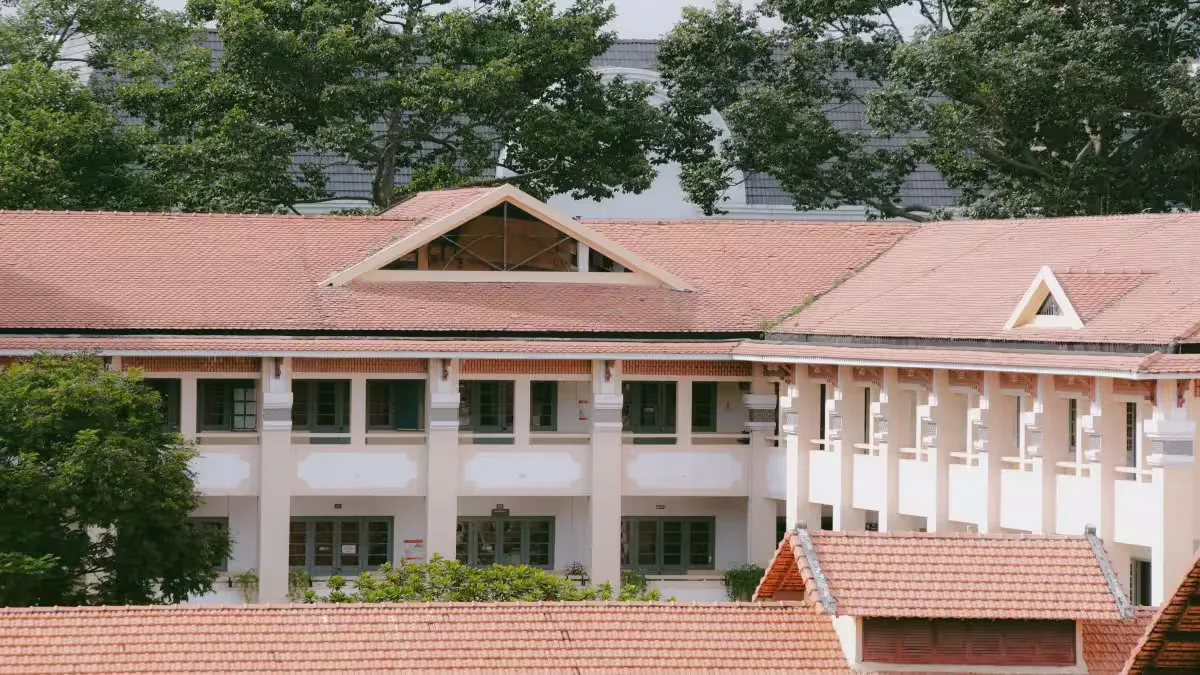
The Maharashtra Private Aided Schools (Regulation) Bill, 2026, aims to enhance school administration and student safety.
Private aided schools represent 23% of all schools in Maharashtra, serving 47% of students.
The bill addresses regulatory gaps in existing laws to ensure transparency in teacher recruitment and service conditions.
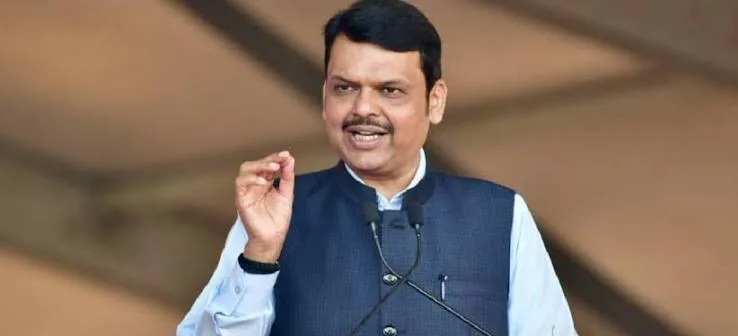
In a significant move, the Maharashtra Cabinet has approved the draft of the Maharashtra Private Aided Schools (Regulation) Bill, 2026. This legislation aims to create a robust legal framework for the regulation of private aided schools throughout the state. The decision was made during a Cabinet meeting led by Chief Minister Devendra Fadnavis, with the intent to enhance the quality of education in these institutions while ensuring the safety of students and transparency in teacher recruitment processes.
Private aided schools play a crucial role in Maharashtra's education landscape, accounting for 23% of the total schools and catering to approximately 47% of the state's student population. Furthermore, these schools employ around 37% of the teachers in the state. The government has identified shortcomings in existing regulations, including the Maharashtra Employees of Private Schools (Conditions of Service) Regulation Act, 1977, which have hindered effective oversight of these institutions.
The proposed bill seeks to fill these regulatory gaps by establishing comprehensive guidelines that cover various aspects of school management, including recruitment, financial practices, accountability, and grievance redressal mechanisms. It consists of around 20 chapters that address critical issues such as merit-based recruitment and the safeguarding of service conditions for both teaching and non-teaching staff.
The implications of this legislation extend beyond mere regulation; it aims to create a more accountable educational environment that prioritizes student safety. By standardizing procedures for handling similar cases across private aided schools, the bill intends to ensure consistency in regulatory actions. This aligns with broader educational goals set forth by the Right of Children to Free and Compulsory Education Act, 2009, and the National Education Policy (NEP) 2020, both of which emphasize quality education and transparency.
Looking ahead, the Maharashtra government plans to implement this bill to strengthen the educational framework in the state. The introduction of this legislation is expected to lead to improved governance in private aided schools, ultimately benefiting students and educators alike. Stakeholders in the education sector are now keenly awaiting further developments as the bill progresses through the legislative process.