Maharashtra Allocates ₹230 Crore for Phulewada Development
The Maharashtra government has sanctioned ₹230 crore for the enhancement of Phulewada, the residence of social reformer Jyotiba Phule, ahead of his 200th birth anniversary.
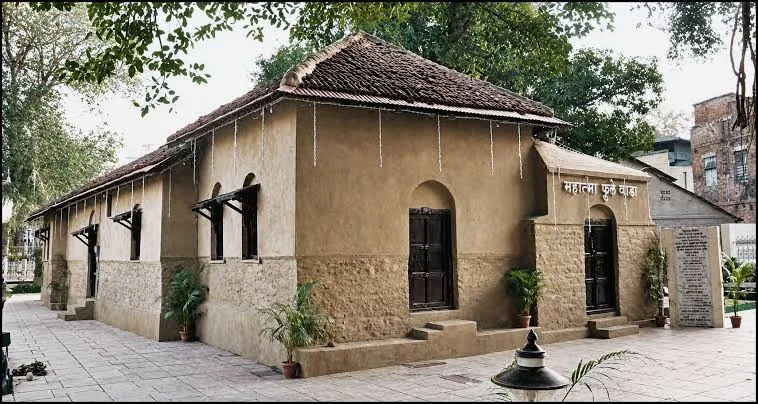
₹230 crore approved for the development of Phulewada in Pune.
OBC hostels to be established in all 36 districts with nominal land rates.
Separate budget provisions for Vimukta Jatis and Nomadic Tribes to ensure direct funding.
The Maharashtra government has recently approved a substantial budget of ₹230 crore aimed at the comprehensive development of Phulewada, the historical residence of social reformer Jyotiba Phule, located in Pune. This initiative comes in anticipation of Phule's 200th birth anniversary, with plans including beautification efforts and the acquisition of additional land. The decision was made during a cabinet sub-committee meeting focused on Other Backward Classes (OBCs), chaired by Revenue Minister Chandrashekhar Bawankule.
In addition to the Phulewada project, the government has outlined welfare measures that will be executed by 11 key departments, such as revenue, water supply, and drought relief, all to be carried out in the name of Mahatma Jyotiba Phule. Official government resolutions will be issued to formalize these initiatives, ensuring that the legacy of Phule is honored through practical support for the community.
A significant aspect of the government's plan is the establishment of OBC hostels, each designed to accommodate 500 students, across all 36 districts in Maharashtra. The revenue department will facilitate land acquisition for these hostels at a nominal rate of just Re 1. The Maharashtra State Infrastructure Development Corporation (MSIDC) has already prepared the architectural designs for these facilities, which are expected to enhance educational opportunities for OBC students.
The meeting also highlighted the need for a separate budget for Vimukta Jatis and Nomadic Tribes (VJNT) distinct from the OBC budget. This move aims to ensure that development funds are allocated directly to these communities. During the upcoming legislative session in December, the finance department will be approached for a separate budget head to support this initiative. Furthermore, an independent committee will be established to conduct a socio-economic survey of VJNT communities, similar to the Shinde Committee for the Maratha community, to identify measures for their integration into mainstream development.
Looking ahead, the government plans to address the backlog of 27% of vacant posts reserved for OBCs across various departments. The scope of Mahajyoti, an institution dedicated to OBC welfare, will also be expanded to align with the objectives of the SARTHI institute, which focuses on the social and economic development of marginalized communities. The next meeting will review proposed construction rates for OBC hostels, with plans and cost estimates from three reputable architects set to be evaluated before final approval is granted.