Maharashtra Achieves 75% Conversion Rate of MoUs from Davos
Chief Minister Devendra Fadnavis highlights Maharashtra's impressive performance in converting MoUs into actionable projects.
Maharashtra has converted 75% of MoUs from the World Economic Forum into projects.
The state boasts a 60% realization rate for MoUs, significantly higher than the national average of 35-40%.
Fadnavis emphasizes the importance of a conducive business environment over mere financial incentives.
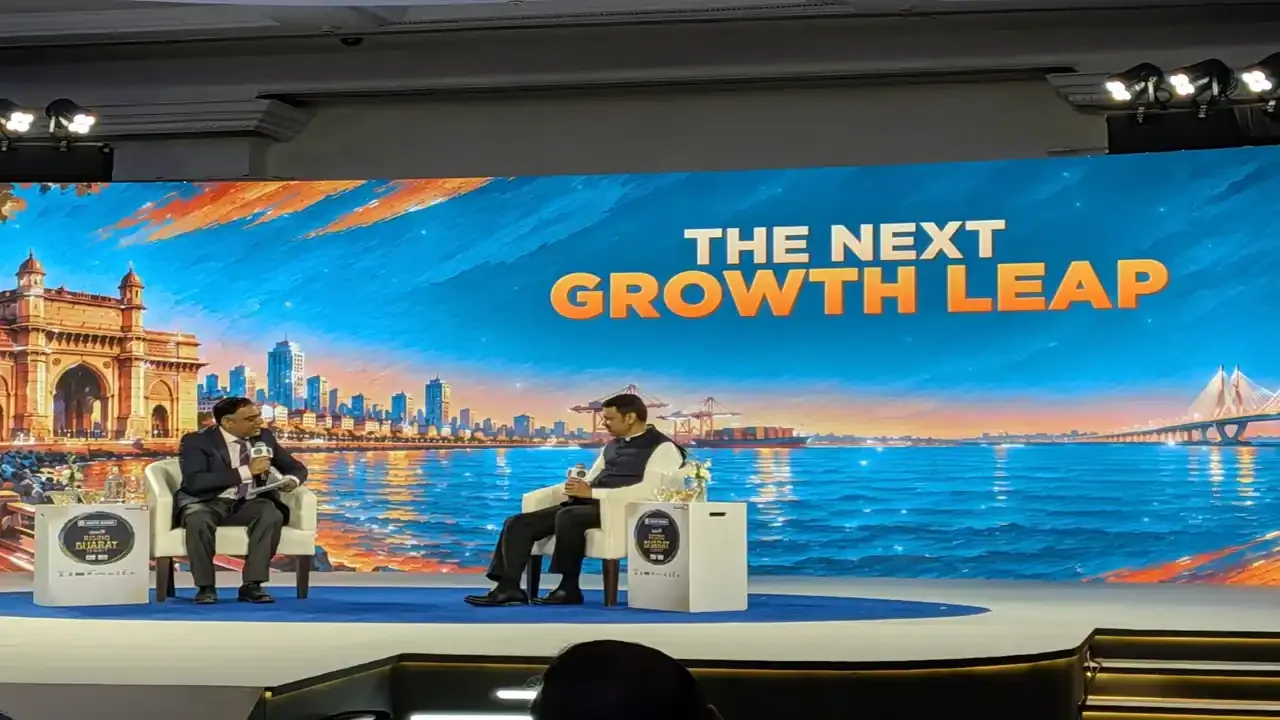
Maharashtra's Chief Minister Devendra Fadnavis announced on Wednesday that the state has successfully transformed 75% of the memorandums of understanding (MoUs) signed during the World Economic Forum in Davos into various projects currently at different stages of development. This statement was made during the News18 Rising Bharat Summit: West Edition, where Fadnavis underscored the state's commitment to turning agreements into tangible outcomes.
Fadnavis pointed out that while the national average for the realization of MoUs stands at 35-40%, Maharashtra has achieved a commendable 60% conversion rate. He stressed that the focus should not only be on signing MoUs but also on ensuring their implementation. This achievement reflects Maharashtra's proactive approach in fostering a business-friendly environment, which he believes is crucial for attracting investments.
The Chief Minister further elaborated that the ease of doing business is paramount, stating that the state has consistently honored its commitments to investors. He noted that Maharashtra prioritizes creating an enabling environment for businesses rather than merely competing with other states through financial incentives. "We are focusing on ease of doing business to attract investment," Fadnavis remarked, reinforcing the state's strategic approach.
Fadnavis also highlighted the importance of fulfilling incentive promises, cautioning that some states are offering incentives beyond their financial means, leading to difficulties in meeting those commitments. He assured that Maharashtra has been able to provide promised incentives within a year of signing investment agreements, contrasting this with other states that struggle to keep their promises in the race for investment.
In addition to discussing MoUs and incentives, Fadnavis addressed the state's capacity to manage increased power demand in recent months. He noted that Maharashtra has effectively handled the situation, unlike other states that have had to resort to purchasing electricity at high rates. This capability further underscores the state's commitment to maintaining a stable and attractive environment for businesses and investors alike.