Groundwater Levels Plummet in 80 More Tehsils of Maharashtra
Maharashtra faces a severe water crisis as groundwater levels drop in 303 tehsils, prompting urgent government action.
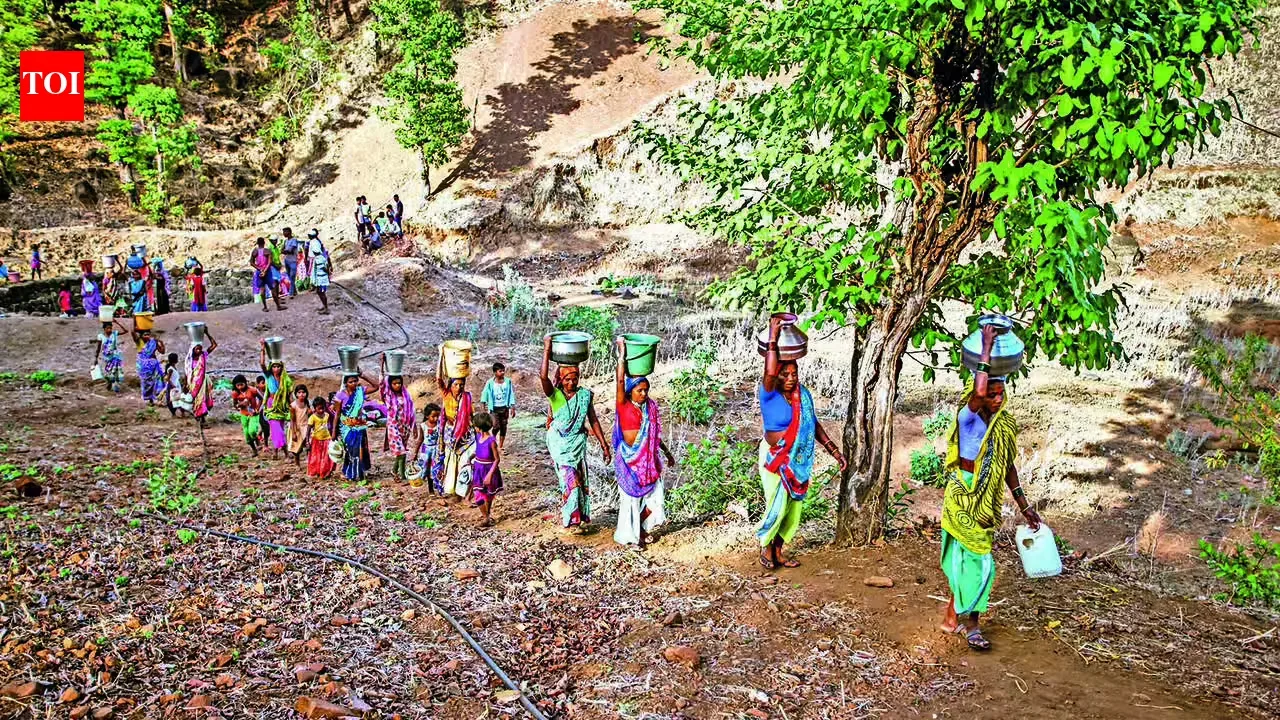
Groundwater levels in Maharashtra have fallen below normal in 303 tehsils.
The Marathwada region is experiencing the most significant decline in water levels.
The state government is initiating large-scale groundwater recharge measures to combat the crisis.
In a concerning development for Maharashtra, groundwater depletion has escalated dramatically, affecting 80 additional tehsils within a month. This surge brings the total number of tehsils with below-normal groundwater levels to 303, indicating a critical water crisis as the state grapples with ongoing drought conditions. The Groundwater Surveys and Development Agency (GSDA) reported that nearly 86% of the state's 353 tehsils are now facing this alarming situation, highlighting the urgency of the matter.
The rapid increase in affected areas has raised alarms among groundwater experts and government officials, particularly as many districts have experienced minimal to no rainfall since the southwest monsoon's withdrawal. A senior GSDA official noted that some tehsils are reporting groundwater levels below three meters, with others seeing even deeper declines. This situation poses a significant threat to water availability across the state, and experts warn that it could worsen if immediate action is not taken.
The Marathwada region has been identified as the hardest hit, with substantial drops in groundwater levels. However, western Maharashtra is also witnessing a rise in tehsils reporting low water levels, particularly in districts like Solapur, Satara, and Sangli. This decline raises concerns about irrigation water availability for the ongoing rabi season, which is crucial for the region's fruit and sugarcane production. In response, the state government has directed the GSDA to implement extensive groundwater recharge initiatives, with plans to construct thousands of recharge shafts in drought-affected areas.
These recharge shafts, designed to be approximately 20 feet deep, will facilitate the percolation of rainwater into underground aquifers. The GSDA commissioner, Ravindra Khebudkar, emphasized that these structures will not only help conserve water during unseasonal rainfall but also provide long-term benefits. The agency is currently in the process of hiring contractors for this project, with work expected to commence next month. Additionally, the GSDA has expanded its groundwater monitoring network, adding 1,200 observation wells to enhance localized data collection.
The repercussions of declining groundwater levels are already evident in agricultural sectors across Maharashtra. Farmers are facing limited irrigation water, with expectations of a significant decline in rabi sowing, potentially dropping below 50% in some regions. Experts warn that the ongoing groundwater crisis could lead to serious consequences, including increased competition for water between agricultural and domestic users. Hydrogeologists stress that effective recharge structures are essential for groundwater recovery, and the government's failure to act on early warnings has exacerbated the situation. Agrometeorologists advise farmers to consider drought-resistant crops like jowar to mitigate the impact of the water crisis on their yields.