Eknath Shinde Discusses Drought with PM Modi in Delhi
Maharashtra's Deputy CM meets with Prime Minister to address severe drought conditions affecting the state.
Maharashtra declared drought in 265 out of 358 talukas due to rainfall deficit.
PM Modi assured support from the Centre for drought relief efforts.
The meeting occurred amid political tensions over MLC elections in Pune.
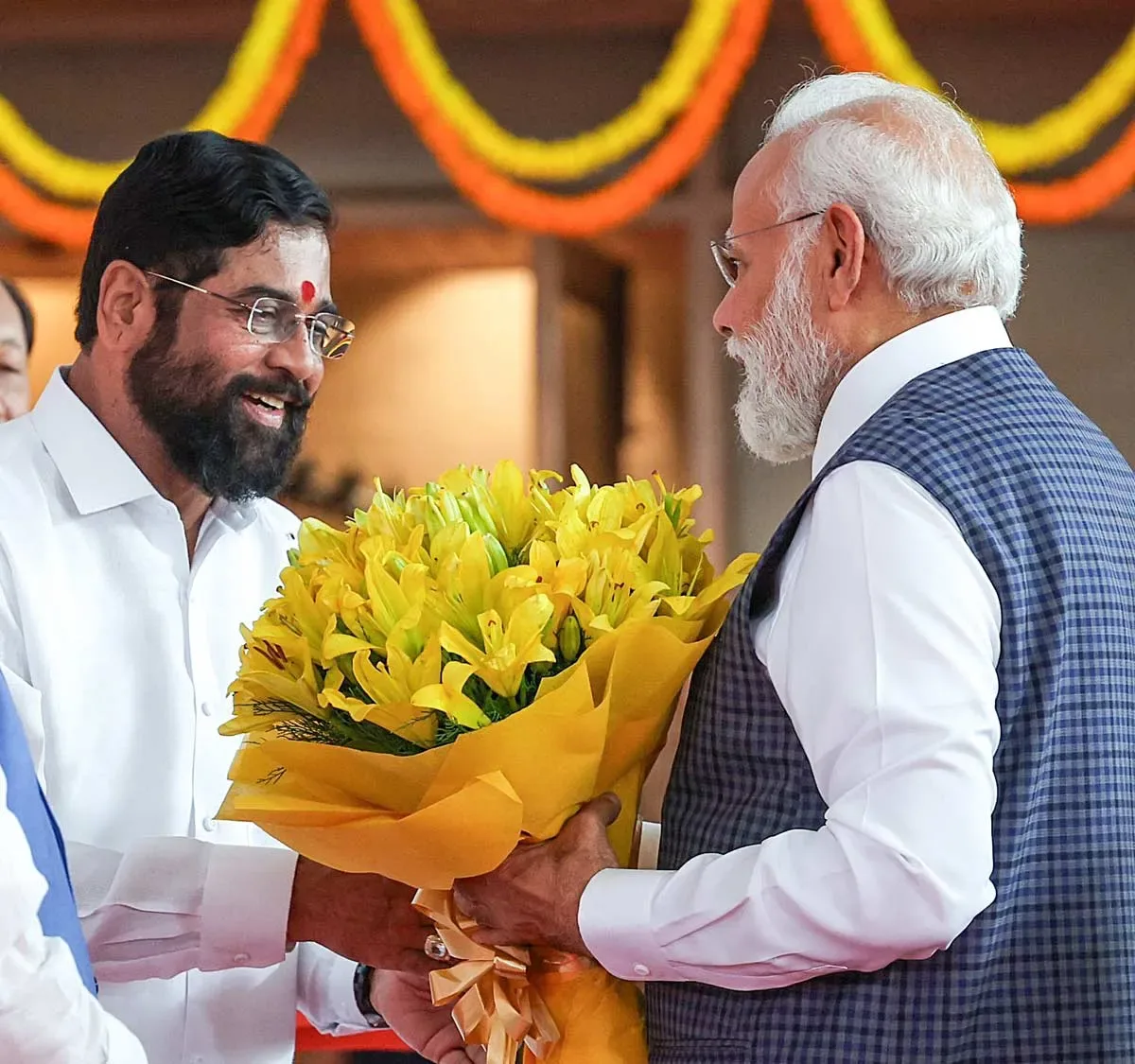
On Monday, Maharashtra's Deputy Chief Minister Eknath Shinde met with Prime Minister Narendra Modi in New Delhi to discuss the critical drought situation affecting the state. During the hour-long meeting, Modi expressed concern over the ongoing drought and inquired about the availability of water, fodder, and the extent of crop damage in Maharashtra.
The Maharashtra government recently declared a drought in 265 of its 358 talukas, which represents approximately 74% of the state, due to a significant deficit in rainfall. This declaration highlights the severity of the situation, prompting Shinde to seek federal assistance to mitigate the impact on farmers and livestock.
Shinde reported that PM Modi requested detailed information regarding water resources, agricultural conditions, and the status of fodder for livestock. The Deputy Chief Minister conveyed optimism that the Centre would provide substantial support to address the challenges posed by the drought, which has severely affected the livelihoods of many in the region.
The context of this meeting is particularly significant as it comes amidst political tensions between the ruling coalition partners, Shiv Sena and the BJP, over the upcoming MLC elections for the Pune Teachers Constituency. Both parties have put forward candidates for this seat, indicating a competitive political landscape that could influence their collaborative efforts in addressing the drought crisis.
Looking ahead, the Maharashtra government is expected to finalize its drought relief plans, and further discussions with the Centre will likely take place to ensure timely assistance is provided to the affected areas. The situation remains critical as the state prepares for potential long-term impacts on agriculture and water supply.