CMFRI Distributes 500,000 Green Mussel Seeds to Maharashtra Fisherfolk
The ICAR-Central Marine Fisheries Research Institute has provided five lakh green mussel seeds to coastal communities in Maharashtra, enhancing local aquaculture.
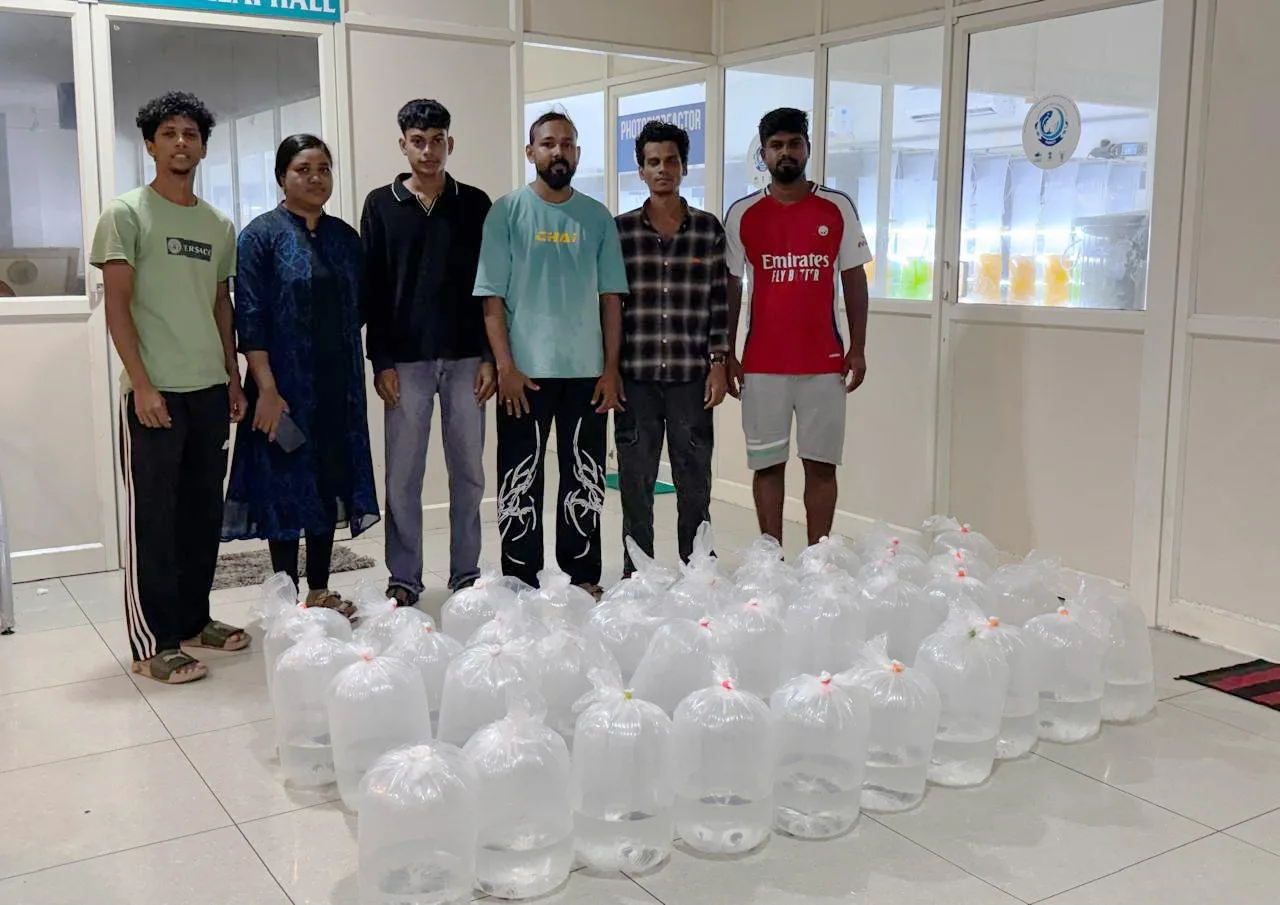
CMFRI has supplied a total of one million green mussel seeds in six months.
The initiative aims to promote sustainable bivalve farming along the Maharashtra coast.
Training for local officials is part of the project to enhance community aquaculture practices.
In a significant development for coastal fisheries, the ICAR-Central Marine Fisheries Research Institute (CMFRI) has distributed an additional five lakh green mussel seeds to fisherfolk and tribal communities in Maharashtra. This latest supply brings the total to one million seeds delivered over the past six months, marking a milestone in promoting sustainable aquaculture in the region.
The green mussel seeds, which range from 2 to 4 millimeters in size, were cultivated at CMFRI's bivalve hatchery located in the Vizhinjam Regional Centre in Thiruvananthapuram. This initiative is part of the Pradhan Mantri Matsya Sampada Yojana (PMMSY) project, which aims to translate marine research into viable livelihood opportunities for local communities.
In addition to the green mussel seeds, CMFRI also supplied one lakh oyster seeds from its Madras Regional Station, further enhancing the potential for oyster farming in Maharashtra. This dual promotion of green mussels and oysters is expected to diversify income sources for fisherfolk and tribal communities while encouraging the adoption of science-based aquaculture practices.
To support this initiative, CMFRI's scientific team, led by Principal Scientist Dr. M K Anil, has trained 30 officials from Maharashtra’s Mangrove Cell in nursery rearing and farming techniques for both mussels and oysters. Dr. Anil emphasized that these trained officials will play a crucial role in transferring knowledge and farming technologies to local communities, thereby facilitating the growth of sustainable aquaculture.
The project is coordinated by the Mangrove and Marine Biodiversity Conservation Foundation in Maharashtra, which is responsible for linking seed supply with farming activities and providing technical guidance. According to Dr. Grinson George, CMFRI Director, bivalve farming represents a low-investment, low-cost operational technology that can significantly enhance coastal livelihoods while promoting ecosystem health. With proper management and environmental conditions, this approach can provide sustainable income opportunities for local communities, particularly in coastal and mangrove areas.