Audit Ordered for 588 Aided Ashram Schools in Maharashtra
Tribal Development Minister Ashok Wooike mandates a comprehensive audit to evaluate facilities and safety in ashram schools.

A third-party audit of 588 aided ashram schools in Maharashtra has been ordered.
The audit will focus on student safety, food quality, and government grant utilization.
Recent student protests led to several reforms in tribal education policies.
In a significant move to enhance the quality of education for tribal students, Maharashtra's Tribal Development Minister Ashok Wooike has initiated a third-party audit of all 588 aided ashram schools across the state. This decision, announced during his visit to Nashik on Saturday, aims to address ongoing concerns regarding the facilities provided to students, including accommodation, food, and healthcare.
Minister Wooike emphasized the necessity of this audit, citing frequent complaints about inadequate living conditions and the misuse of government grants. He stated, "Complaints about inadequate facilities, residential arrangements, food, health services and grant utilisation frequently come to light." The findings from this audit will be crucial, as they will inform potential legal actions against institutions that fail to meet the required standards.
The minister also highlighted that two committees have been established to investigate allegations related to central kitchens serving ashram schools. While one committee has already submitted its report, the second is still pending. Wooike mentioned that immediate closures of schools are not feasible at this time, but efforts are being made to ensure that students receive meals promptly, ideally within 10 to 25 minutes after cooking.
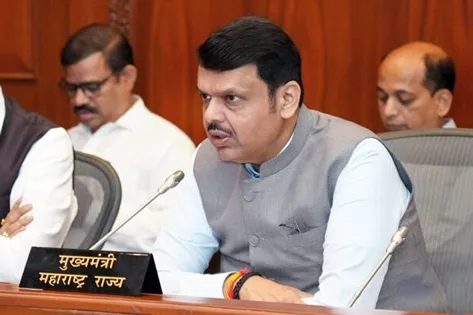
The backdrop to this audit includes recent protests by tribal students in Nashik, Pune, and Nagpur, which brought attention to various issues within the education system. Following discussions with Chief Minister Devendra Fadnavis, several student demands were addressed, including the removal of age limits for hostel admissions and the initiation of recruitment processes for various educational roles.
Looking ahead, the audit's outcomes are expected to shape future policies and reforms in tribal education. Minister Wooike expressed optimism that the audit will lead to necessary changes and accountability, ensuring that tribal students receive the quality education they deserve. The report from the audit is anticipated to be submitted to the government soon, paving the way for further actions based on its findings.