Supreme Court Grants Bail to Gadchiroli Doctor After Four Years
The Supreme Court intervenes to grant bail to a doctor jailed under UAPA, citing fundamental rights and procedural errors.
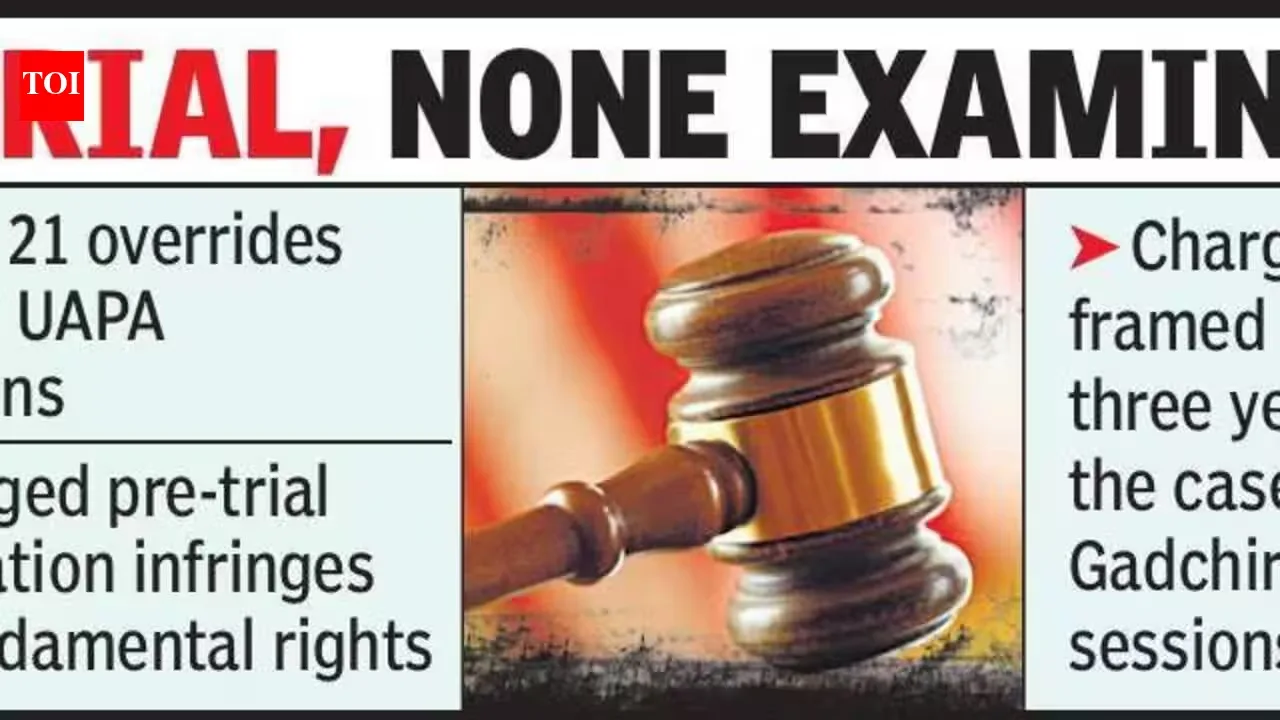
The Supreme Court found procedural errors in the lower court's handling of the case.
The doctor was imprisoned for four years without witnesses being examined.
The court emphasized the importance of fundamental rights over UAPA restrictions.
In a significant ruling on Wednesday, the Supreme Court ordered the release on bail of a Gadchiroli doctor who had been imprisoned for four years under the Unlawful Activities (Prevention) Act (UAPA) due to alleged Maoist affiliations. The decision came after the court identified a lack of witnesses examined and a factual error in the Bombay High Court's previous ruling, which had denied the doctor's bail application.
The Supreme Court's bench, led by Justice Dipankar Datta, referenced the case of Union of India versus K A Najeeb (2021), asserting that constitutional courts are not restricted by UAPA's stringent bail provisions when prolonged pre-trial detention violates fundamental rights. The court's ruling emphasized that Article 21 of the Constitution, which guarantees the right to life and personal liberty, supersedes UAPA's limitations.
The doctor had appealed to the Supreme Court after the Nagpur bench of the Bombay High Court rejected his bail plea on July 20. The high court had noted that the doctor did not surrender until January 2, 2025, after being granted temporary bail in October 2024. However, the Supreme Court clarified that the high court had made a significant error, as records indicated the doctor surrendered on October 24, 2024, contradicting the earlier claims.
The case dates back to July 2022 when the doctor and two others were arrested in a Maoist-affected area of Gadchiroli. Police alleged they were engaged in suspicious activities and claimed to have seized a banner promoting Maoist ideology from their belongings. The Maharashtra government opposed the bail, arguing that the doctor played a primary role in the alleged offenses and posed a risk of tampering with evidence.
Despite the state's objections, the Supreme Court found a compelling case for bail, highlighting the lengthy delay in the trial process, which saw charges filed only this July, over three years after the case was initiated. The court mandated that the doctor provide bail bonds and attend trial proceedings, leaving it to the trial court to impose additional conditions to prevent any potential breaches or tampering with evidence.