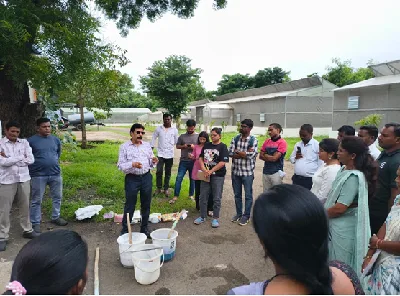
Pune Sees Over 2,000 Suspected Dengue Cases This Year
Dengue infections rise sharply in Pune and Nagpur, while Chandigarh reports its lowest cases in five years.
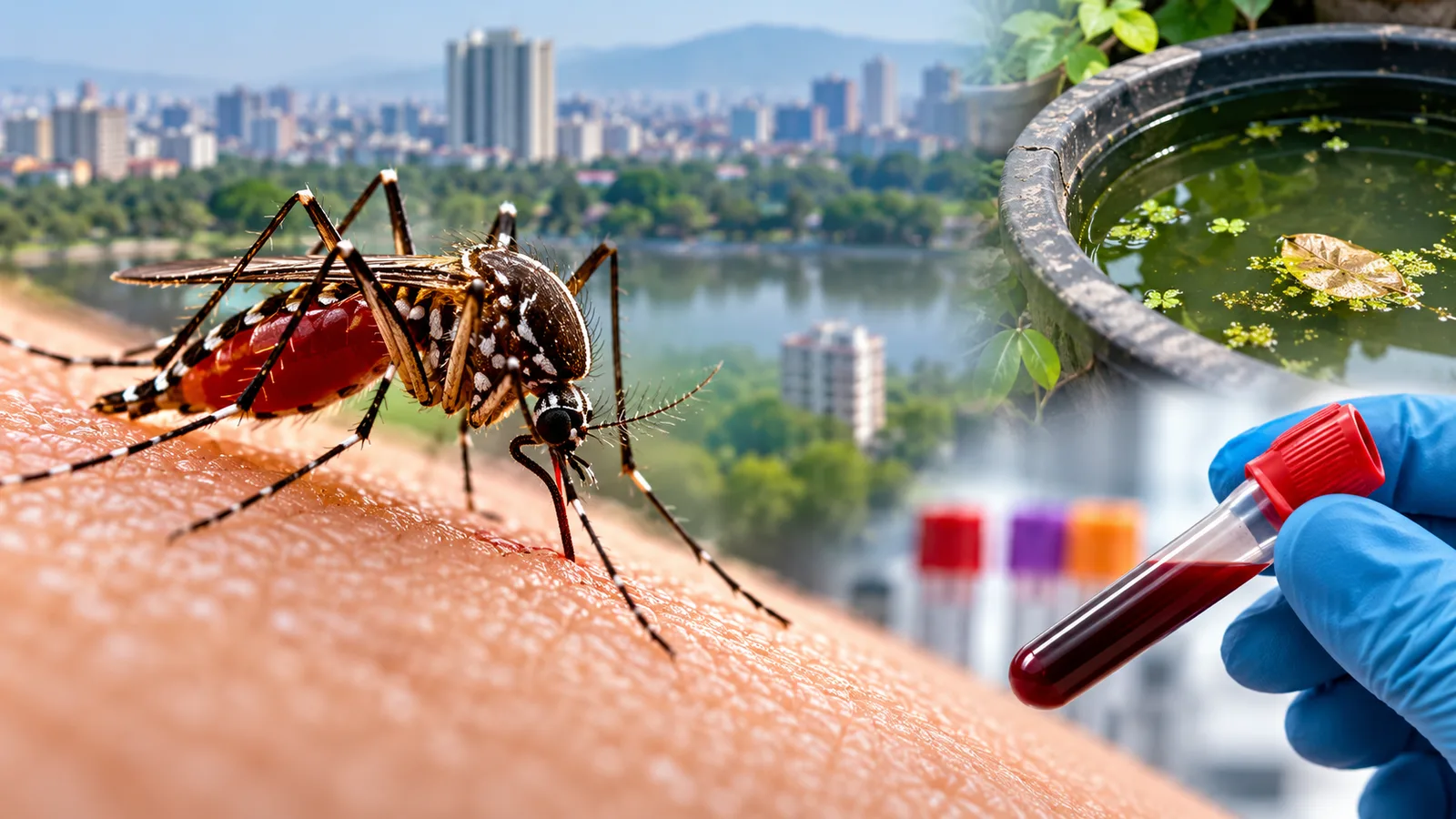
Pune reports over 2,000 suspected dengue cases in 2023.
Nagpur sees a significant rise with 72 cases in October alone.
Chandigarh records only 24 cases, the lowest in five years.
Pune has emerged as a significant concern in the ongoing dengue outbreak, with over 2,000 suspected cases reported this year. The Pune Municipal Corporation's health department noted that nearly 66% of these cases occurred between August and October, with August alone seeing 484 suspected cases, followed by 508 in September and 346 in October. This surge has raised alarms about the increasing mosquito breeding in the area and the strain on local healthcare facilities.
In Nagpur, the situation is similarly alarming. Data from the Nagpur health department indicates a sharp increase in dengue cases, with 72 reported in the first 18 days of October compared to just 46 for the entire month of September. This brings the total for the year to 180 cases, as concerns grow over water storage practices contributing to mosquito proliferation.
Conversely, Chandigarh has reported a significant drop in dengue cases, with only 24 confirmed so far in 2026, marking the lowest figure in five years. The city had previously recorded 1,596 cases in 2021, which steadily decreased to 66 in 2025, highlighting a notable decline in dengue prevalence.
In addition to these cities, Doda district in Jammu and Kashmir is facing its own challenges, with nearly 200 reported cases prompting investigations into potential hotspots by scientific teams. Health experts are urging residents across affected areas to take preventive measures, such as regularly cleaning water containers and using mosquito repellents, to mitigate the risk of infection.
Looking ahead, health officials emphasize the importance of community awareness and proactive measures to combat the dengue outbreak. Residents are advised to seek immediate medical attention if they experience persistent fever, severe abdominal pain, or other alarming symptoms. Continued monitoring and public health initiatives will be crucial in managing the situation as the year progresses.