Nagpur's Swimming Pools Under Scrutiny Amid Water Shortage
As water scarcity escalates in Nagpur, swimming pools may soon face operational restrictions from local authorities.
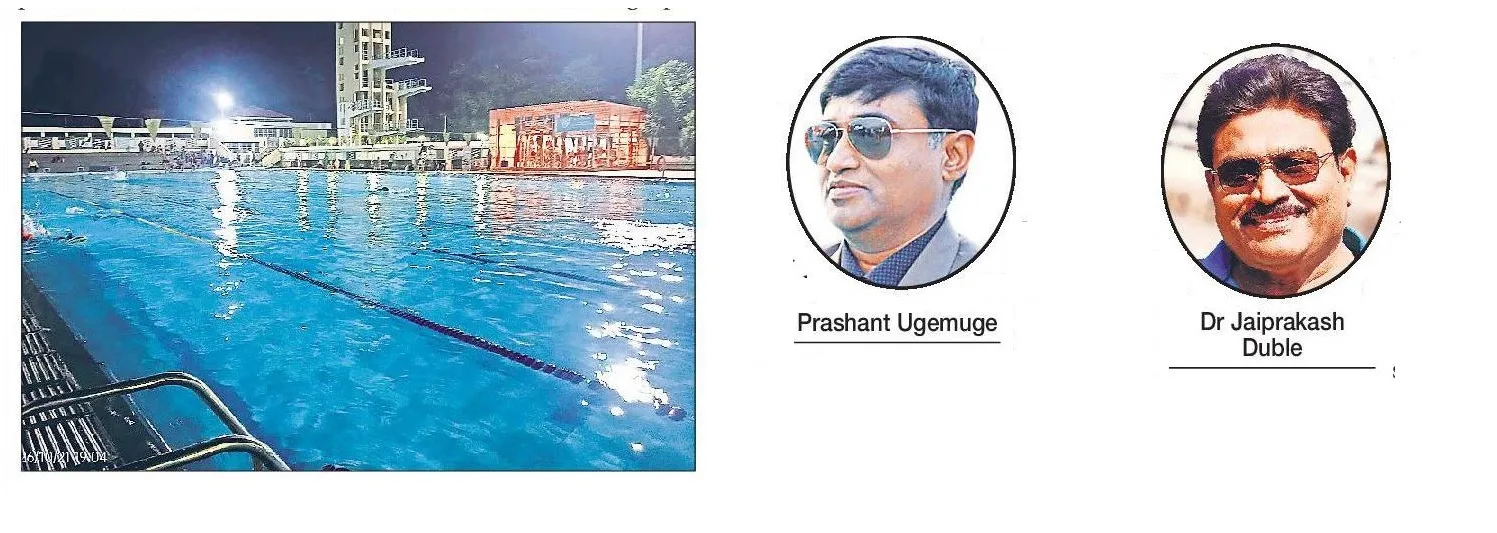
Nagpur is experiencing significant water scarcity, prompting potential scrutiny of swimming pools.
Pool operators are prepared to comply with any directives from local authorities regarding water usage.
Experts advocate for better civic habits to conserve water, emphasizing the role of swimming pools in water recycling.
In response to the escalating water crisis in Nagpur, local swimming pools may soon be subject to increased oversight from city authorities. With groundwater levels declining and restrictions on borewell usage, the administration, including the City Collector and the Nagpur Municipal Corporation, is considering measures that could impact pool operations. While pool operators express readiness to comply with any directives, they argue that shutting down pools may not be the most effective solution.
Swimming pools in Nagpur can be categorized into two types: those utilizing their own water sources, such as wells, and those relying on municipal water supply. Prashant Ugemuge, Managing Director of Midland Sports and Wellness Private Limited, which manages a local pool, clarified that their facility draws water from Ambazari, which is not connected to drinking water supplies. He noted that once filled, the pool's water usage is minimal due to continuous filtration, with only minor top-ups needed for water lost during swimming activities.
Currently, no formal orders have been issued to close any pools, but Ugemuge stated that they would adhere to any instructions from the authorities if required. He emphasized that beyond the water shortage, a significant concern is the lack of civic responsibility regarding water use. He suggested that simple changes in daily habits, such as using buckets instead of showers, could lead to substantial water savings. Ugemuge also highlighted the potential for large facilities to implement water recycling practices similar to those used in IT parks.
Dr. Jaiprakash Duble, a former Deputy Director of Sports in Maharashtra and an international swimming coach, echoed Ugemuge's sentiments. He urged the community to view swimming pools not merely as water-consuming facilities but as opportunities for water conservation. Dr. Duble pointed out that modern pools equipped with advanced filtration systems can recycle water effectively, reducing the need for frequent draining and refilling. He emphasized that responsible water usage within these facilities can significantly lower overall consumption.
Looking ahead, the situation remains fluid as local authorities assess the water crisis and its implications for recreational facilities. Pool operators are poised to adapt to any new regulations, while community leaders continue to advocate for improved water conservation practices among residents. The upcoming weeks will be critical in determining how Nagpur manages its water resources and the role swimming pools will play in this ongoing challenge.