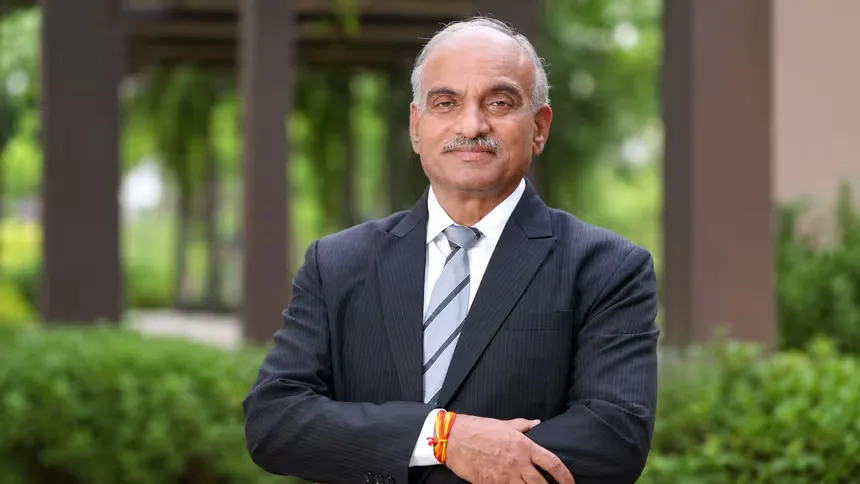
Dr. Abhilaksh Likhi Highlights Fisheries Opportunities at Nagpur College
During his visit to the College of Fishery Science, Dr. Likhi emphasized emerging prospects in fisheries and aquaculture.
India's fish production reached 198 lakh tonnes in 2024-25.
The government is promoting 34 specialized fisheries clusters for integrated development.
Digital technologies are transforming fisheries management and entrepreneurship.
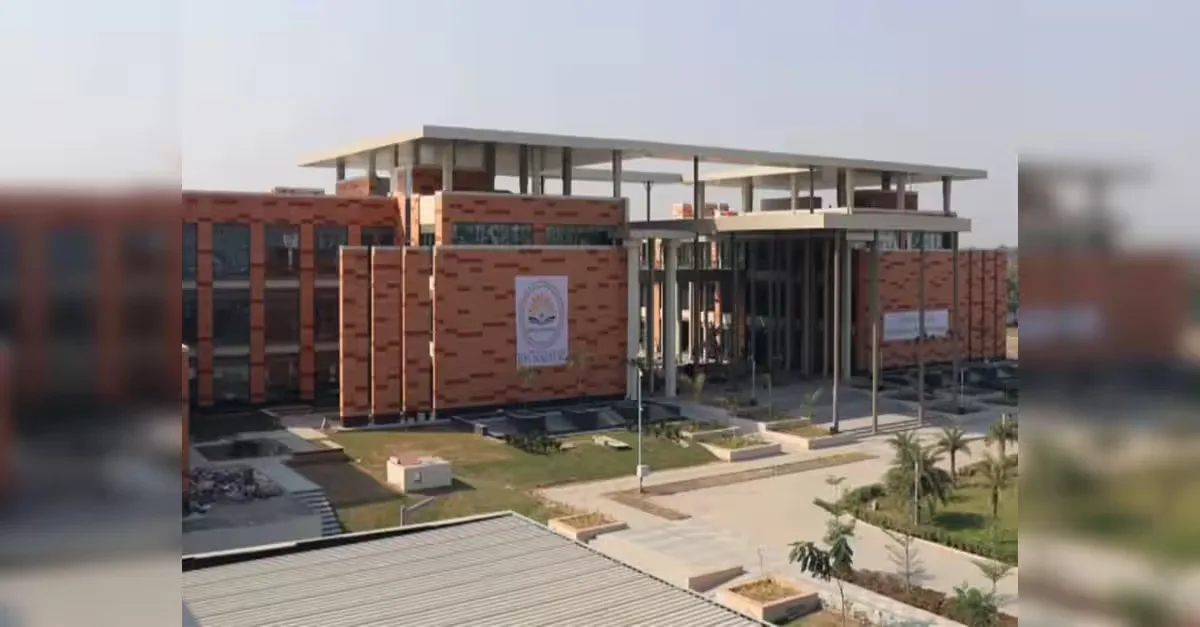
Dr. Abhilaksh Likhi, Secretary of the Department of Fisheries, visited the College of Fishery Science in Nagpur, Maharashtra, on November 27, 2026. He presented on India's initiatives in the fisheries and aquaculture sector, engaging with students about the growth and future of the industry. The college emphasizes practical learning through hands-on training in fish breeding and farm management.
In his presentation, Dr. Likhi highlighted significant achievements in the fisheries sector, noting that India's total fish production has reached 198 lakh tonnes for the fiscal year 2024-25. He pointed out that India is the world's second-largest aquaculture producer, contributing to 8% of global fish production. The inland fisheries sector has seen remarkable growth, achieving 153 lakh tonnes, while seafood exports have surged to an unprecedented ₹73,890.46 crore (approximately USD 8.45 billion) in FY 2025-26.
Dr. Likhi emphasized the government's commitment to enhancing the fisheries value chain through a cluster-based development approach. He mentioned that 34 specialized fisheries and aquaculture clusters have been established nationwide, focusing on comprehensive value chain solutions for various species. These clusters aim to bridge gaps in production and post-harvest activities while encouraging technology adoption and market linkages.
The Secretary also discussed the infusion of technology in the fisheries sector, highlighting advanced aquaculture systems and the role of digital tools like AI and IoT in improving operational efficiency. He underlined the importance of fostering entrepreneurship through initiatives like PMMSY, which create opportunities for start-ups and cooperatives in the fisheries sector.
Looking ahead, Dr. Likhi called for modernizing fisheries infrastructure, including smart fishing harbors and cold-chain facilities, to strengthen the entire value chain. He encouraged students to explore diverse opportunities in the sector, particularly in emerging areas like seaweed cultivation and ornamental fisheries, which can enhance livelihoods and entrepreneurial prospects, especially for women and youth.