Bombay High Court Overturns Murder and Rape Conviction of 73-Year-Old
The Nagpur bench of the Bombay High Court acquits a man sentenced for murder and rape, citing lack of scientific evidence.
The court found the lower court's conclusions to be unfounded and lacking scientific backing.
Key evidence, including blood analysis, failed to link the accused to the crime conclusively.
The prosecution's case was weakened by inconsistencies and lack of credible witness testimonies.
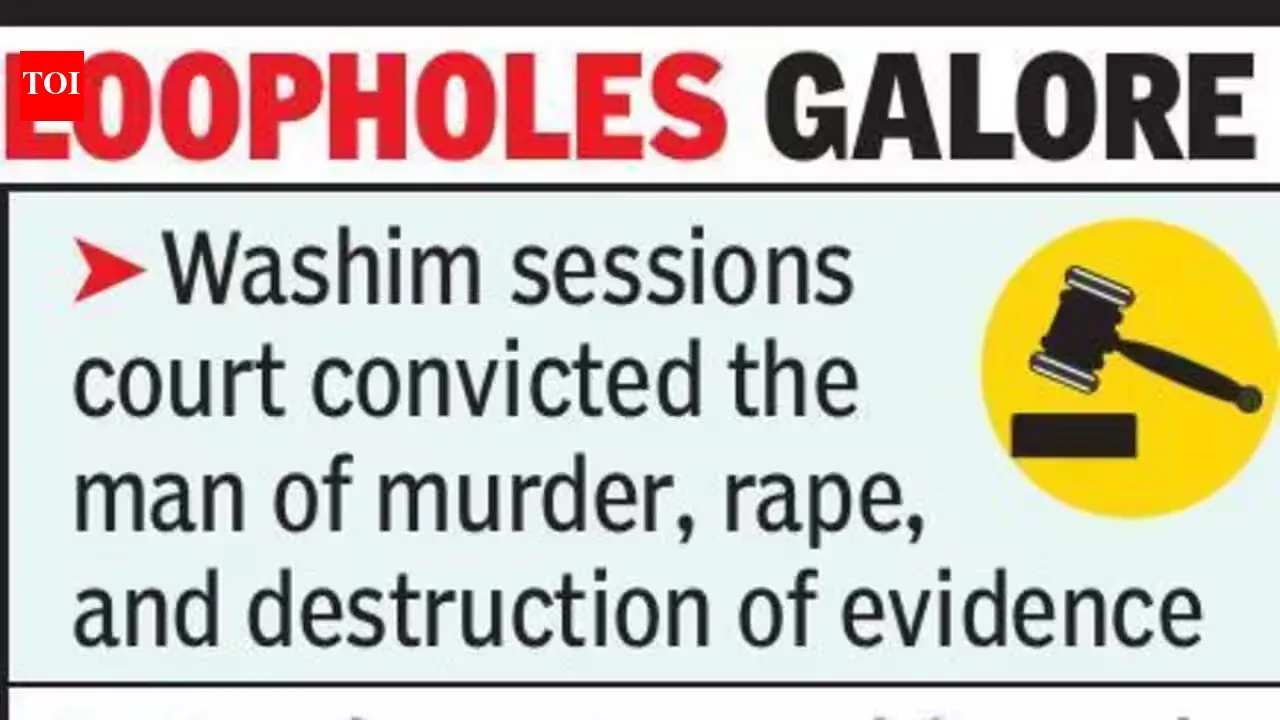
In a significant ruling, the Nagpur bench of the Bombay High Court has acquitted a 73-year-old man previously convicted of murder, rape, and evidence destruction. The court expressed confusion over how the Washim sessions court reached its verdict, emphasizing the absence of scientific proof to support the charges. Justices Urmila Joshi-Phalke and Raj D Wakode criticized the reliance on the medical testimony that was pivotal in the initial conviction, stating that it did not meet the necessary evidentiary standards.
The case stemmed from an incident on August 17, 2024, when the victim, an elderly woman, visited the accused to reclaim a loan of Rs 50,000. She was reported missing shortly after, with her body discovered near the accused's residence the following day. The sessions court had sentenced the man to life imprisonment for murder, ten years for rape, and seven years for evidence destruction based on circumstantial evidence, which the High Court later deemed insufficient.
During the appeal, the defense attorney, Amol Jaltare, highlighted critical oversights by the trial court. The High Court noted that while a forensic report confirmed the presence of human blood at the crime scene, it did not identify the blood type or establish a connection to the victim. The judges labeled the trial court's conclusions as “perverse,” underscoring the lack of definitive scientific evidence linking the accused to the crime.
The High Court also pointed out discrepancies in the timeline of events, particularly concerning the victim's death. The doctor’s autopsy findings indicated that the body showed signs of decomposition inconsistent with the prosecution's timeline, raising questions about the victim's alleged visit to the accused's home. Additionally, the behavior of the victim's son, who did not report her missing for two days, was deemed suspicious and unacceptable.
Looking ahead, the ruling sets a precedent regarding the importance of scientific evidence in criminal convictions. The acquittal not only highlights the flaws in the prosecution's case but also emphasizes the necessity for thorough investigations and credible testimonies in serious criminal matters. The case serves as a reminder of the judicial system's responsibility to uphold justice based on factual evidence rather than assumptions or circumstantial claims.