AIIMS Nagpur to Establish ₹30 Crore BSL-III Laboratory
The National Centre for Disease Control allocates ₹30 crore for a new biosafety laboratory at AIIMS Nagpur to enhance infectious disease research.
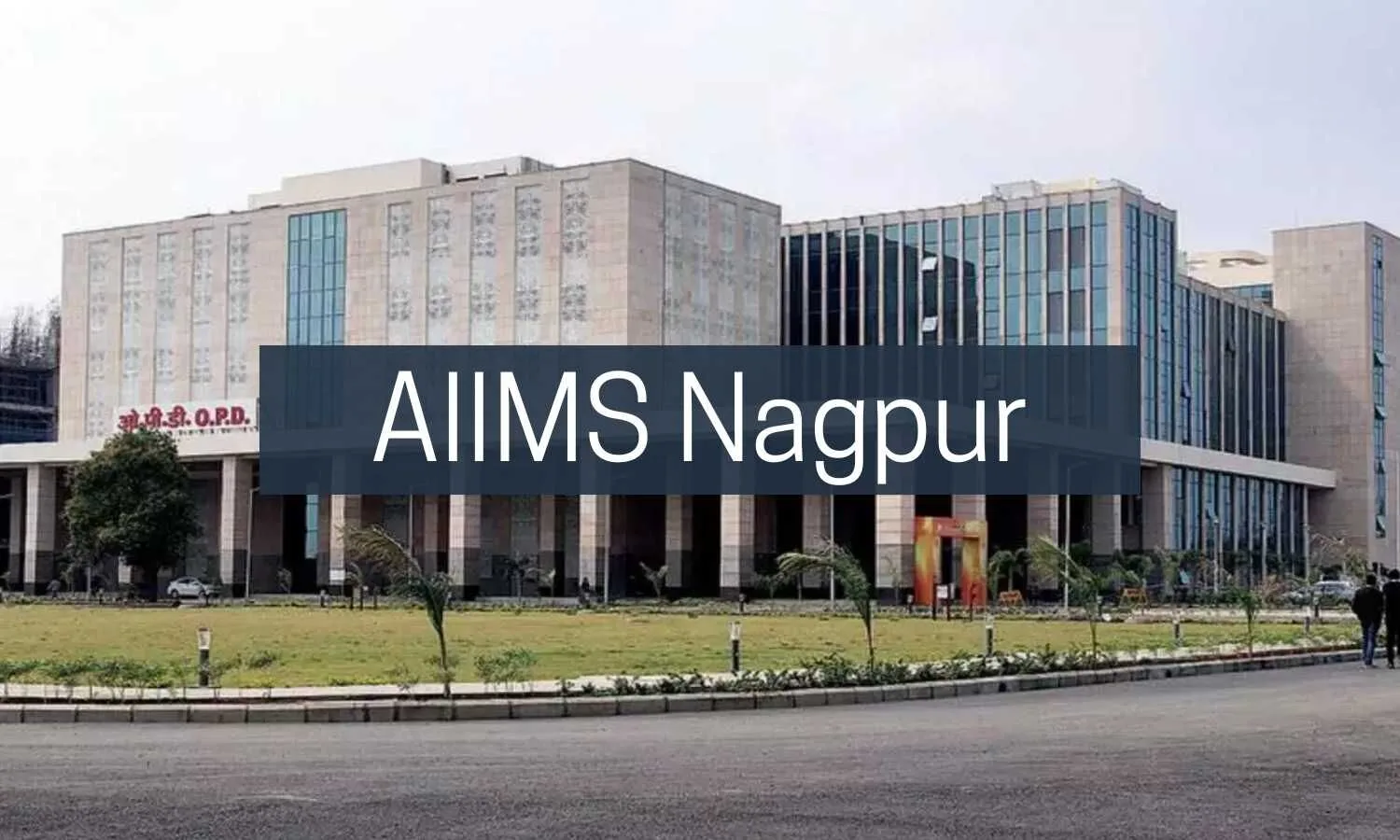
AIIMS Nagpur receives ₹30 crore for a BSL-III laboratory.
The facility aims to improve local capacity for infectious disease detection.
Operational within a year, it will reduce reliance on Pune's National Institute of Virology.
AIIMS Nagpur has been granted ₹30 crore by the National Centre for Disease Control (NCDC) to set up a Biosafety Level-III (BSL-III) laboratory. This initiative is aimed at bolstering the region's capabilities to detect and study emerging infectious diseases. The laboratory is anticipated to be operational within a year, with designated space already prepared for its establishment.
According to Prashant Joshi, the executive director of AIIMS Nagpur, the funds will primarily be utilized for infrastructure development. Additional resources for staffing and equipment will be allocated from separate budgets. This new facility is expected to significantly enhance the institute's ability to conduct advanced testing, thereby decreasing its dependence on the National Institute of Virology (NIV) in Pune.
The establishment of the BSL-III laboratory comes at a crucial time, as factors such as increased human-animal interaction, deforestation, and climate change are contributing to the rise of zoonotic diseases. Joshi emphasized the importance of addressing these environmental issues, stating that the encroachment into animal habitats is a growing concern. He noted that climate change and deforestation are critical factors influencing the emergence of infectious diseases.
Meena Mishra, head of the microbiology department at AIIMS Nagpur, highlighted the necessity of both syndromic and genomic surveillance for the early detection of emerging infections. Syndromic surveillance focuses on identifying unusual illness patterns based on symptoms, while genomic surveillance aids in detecting mutations and new pathogens through whole-genome sequencing. Mishra stressed that timely detection is essential for implementing effective preventive measures against disease outbreaks.
As the laboratory prepares to commence operations, it is expected to significantly enhance AIIMS Nagpur's capacity for diagnosing infections and supporting infectious disease research. The microbiology department is already engaged in national surveillance programs and has played a pivotal role in enabling over 250 laboratories to achieve PCR-testing status. The establishment of the BSL-III lab marks a significant advancement in the region's public health infrastructure, promising to improve responses to infectious disease threats in the future.