Abhijit Wanjari Claims Victory in Nagpur Graduates’ Poll with Karale Guruji's Support
In a surprising turn of events, Congress candidate Abhijit Wanjari wins the Nagpur Graduates’ election, aided by crucial second-preference votes.
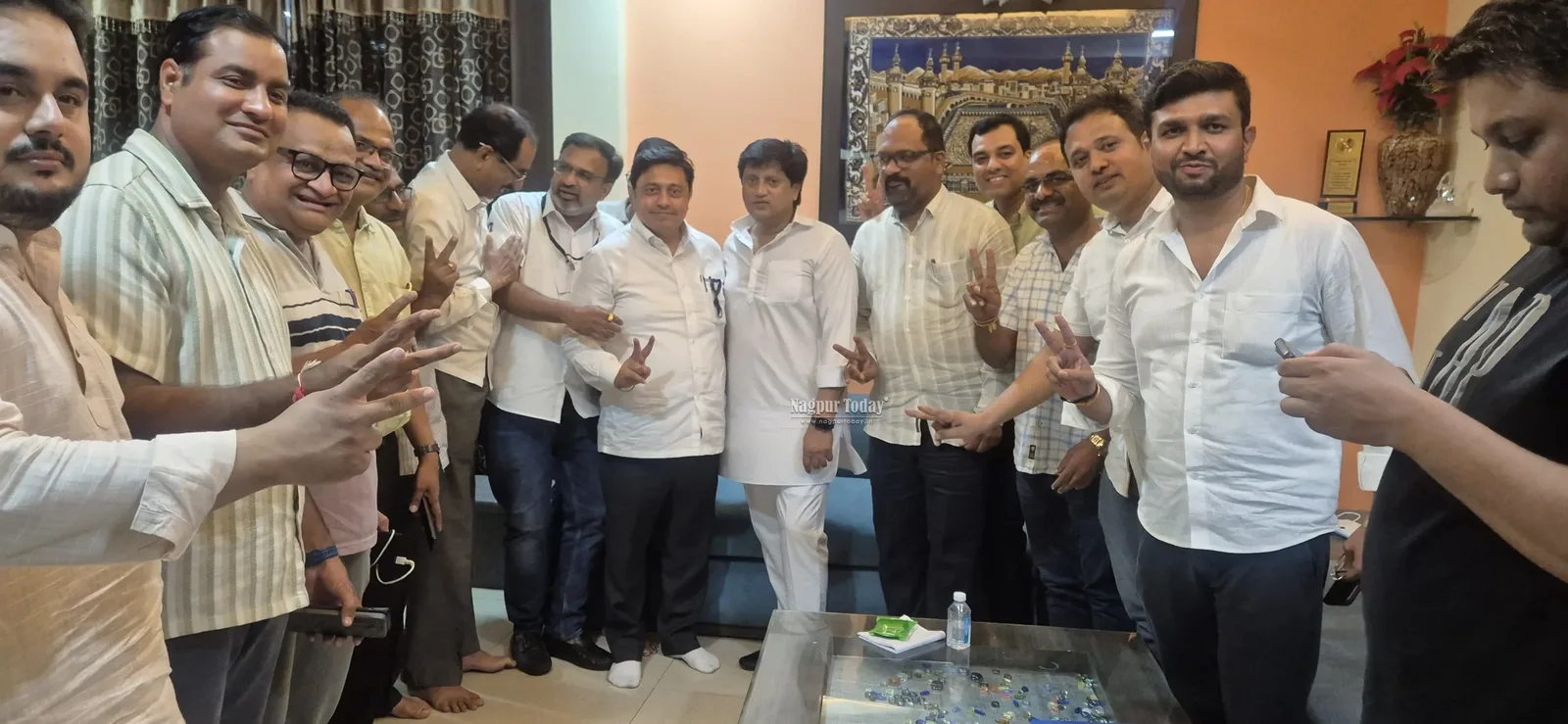
Abhijit Wanjari of Congress defeats BJP's Sudhakar Kohale in Nagpur.
Nitesh Karale's second-preference votes played a pivotal role in the outcome.
The result marks a significant setback for the BJP in its traditional stronghold.
In a stunning upset in the Nagpur Divisional Graduates’ Constituency election, Congress candidate Abhijit Wanjari emerged victorious over BJP's Sudhakar Kohale, largely due to the second-preference votes from independent candidate Nitesh Karale, known as Karale Guruji. This election, held on October 28, showcased a dramatic shift in voter sentiment that ultimately favored Wanjari.
The counting process unfolded with unexpected developments. Initially, Kohale established a lead of approximately 4,000 votes, which later expanded to nearly 5,000 as votes for 30 candidates were tallied. However, as the counting progressed into the later stages, the dynamics shifted significantly. Kohale's lead dwindled to about 1,200 votes, while a substantial number of Karale's votes remained uncounted, setting the stage for a potential turnaround.
As the final rounds of counting revealed, a significant portion of Karale's second-preference votes flowed to Wanjari, allowing him to overcome Kohale's earlier advantage. This shift not only secured Wanjari's win but also highlighted the critical role that second-preference votes play in elections, particularly in the graduates’ constituency where early leads can be misleading.
The outcome represents a major blow to the BJP, a party that has historically dominated this constituency. The political landscape in Nagpur has long been influenced by prominent figures such as Gangadharrao Fadnavis and Union Minister Nitin Gadkari. The BJP's internal strife regarding candidate selection has been evident, particularly following Anil Sole's exclusion from the previous election, which contributed to their defeat. This time, the choice to nominate Kohale, despite reported dissatisfaction among party members, raised further questions about the party's cohesion.
Looking ahead, Wanjari's victory is expected to spark discussions within the BJP regarding candidate selection and the management of internal dissent. The election results serve as a reminder of the complexities involved in electoral strategies, emphasizing that voter preferences and party dynamics can significantly influence outcomes, even in traditionally secure regions for the BJP.