World Thrombosis Day Highlights Women's Blood Clot Risks
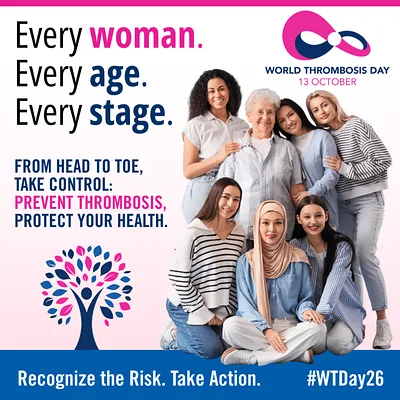
On October 13, the World Thrombosis Day campaign emphasizes the need for awareness and action regarding women's unique blood clot risks.
One in four deaths globally is linked to thrombosis-related conditions.
Women face heightened blood clot risks during pregnancy and postpartum.
The campaign encourages discussions between women and healthcare providers about individual risks.
On October 13, 2026, the World Thrombosis Day campaign aims to raise global awareness about the unique blood clot risks faced by women. This initiative unites thousands of partners worldwide to educate the public on recognizing warning signs and understanding risk factors associated with thrombosis. The campaign underscores the importance of timely medical intervention, particularly as women's risk of blood clots can fluctuate throughout different life stages, including pregnancy, postpartum, and menopause.
Historically, thrombosis has been a significant yet often overlooked health issue, contributing to one in four deaths globally. This year's campaign places a special emphasis on women's health, highlighting how hormonal changes and life events can influence their susceptibility to blood clots. The International Society on Thrombosis and Haemostasis (ISTH) leads this global movement, which includes over 21,000 professionals dedicated to improving the understanding and treatment of thrombosis.
Dr. James Douketis, Chair of the ISTH World Thrombosis Day campaign, stated that the initiative is not just about raising awareness for a single day but is part of a broader movement to engage healthcare professionals, patients, and communities. He emphasized that understanding blood clot risks is crucial for women, as these risks can evolve throughout their lives. For instance, during pregnancy, women are approximately five times more likely to experience a blood clot, with risks persisting even after childbirth.
The campaign also highlights the alarming statistic that up to 60% of venous thromboembolism (VTE) cases occur during or shortly after hospitalization. This underscores the necessity for both patients and healthcare providers to recognize risk factors and implement preventive measures before, during, and after hospital stays. Women are encouraged to consult with healthcare professionals about their individual risks and to utilize educational resources provided by the campaign.
Looking ahead, the World Thrombosis Day campaign calls on communities to take proactive steps in raising awareness about blood clot risks. By empowering women with knowledge about the signs and symptoms of blood clots, the campaign aims to facilitate timely medical intervention, potentially saving lives. For further information on women's specific blood clot risks and available resources, individuals can visit the campaign's website.