World Thrombosis Day 2026: Innovations in Pulmonary Embolism Management
On October 13, World Thrombosis Day emphasizes the importance of awareness and innovative treatments for pulmonary embolism.
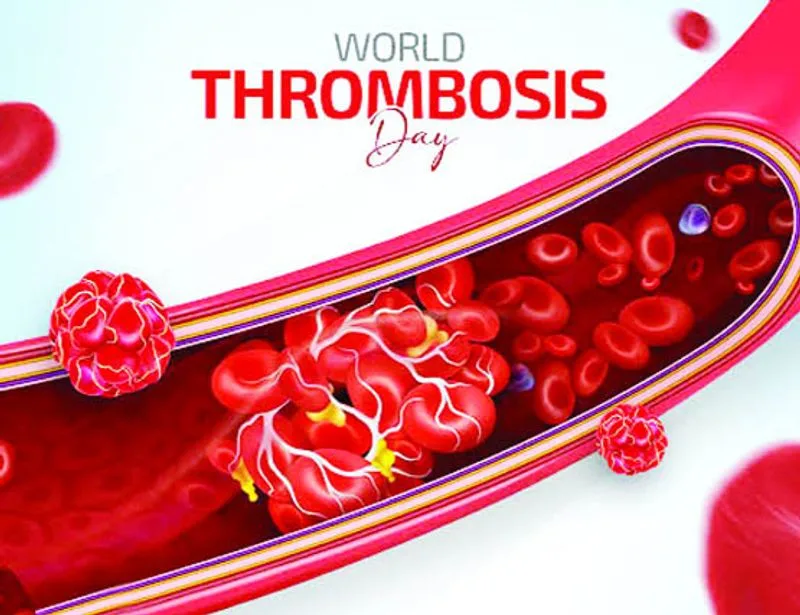
World Thrombosis Day highlights the global urgency of thrombosis awareness.
Acute pulmonary embolism is a leading cause of preventable death in hospitalized patients.
Modern mechanical thrombectomy techniques are revolutionizing treatment options.
On October 13, 2026, World Thrombosis Day is observed globally, marking the birthday of Rudolf Virchow, a key figure in thrombosis research. This year's theme, "From Head to Toe, Take Control: Prevent Thrombosis, Protect Your Health," serves as a critical reminder of the need for increased awareness and proactive management of thrombotic conditions, particularly acute pulmonary embolism (PE).
Pulmonary embolism, a severe complication arising from deep vein thrombosis, poses significant risks, with approximately 40% of DVT cases leading to PE. It is recognized as the most common preventable cause of death among hospitalized patients. The urgency of addressing this condition is underscored by its high mortality rate, which can reach 30% if untreated. Early recognition of symptoms such as unexplained tachycardia and chest pain is essential for improving outcomes.
Recent advancements in medical technology have shifted the approach to managing PE. Traditional treatments focused on anticoagulation and thrombolysis, which, while effective, carry risks of serious bleeding. The emergence of interventional cardiology has introduced innovative techniques such as mechanical thrombectomy, which allows for the direct removal of clots from the pulmonary arteries. Devices like the Penumbra System and Inari FlowTriever have been developed to enhance the efficacy of these procedures, minimizing complications and improving patient recovery times.
The implications of these advancements are profound. By improving public awareness and integrating cutting-edge therapies into clinical practice, healthcare providers can better manage the risks associated with PE. This is particularly crucial for high-risk populations, including those with cancer and metabolic disorders, who are more susceptible to thrombotic events.
As we commemorate World Thrombosis Day, the focus remains on bridging the gap between awareness and action. The medical community is urged to prioritize early detection and intervention strategies to combat the life-threatening nature of pulmonary embolism, ultimately transforming patient outcomes and saving lives.