WHO Recommends Against Obesity Medications for Kids Under 10
The World Health Organization has issued a new guideline advising against the use of obesity drugs in children younger than 10 years old.
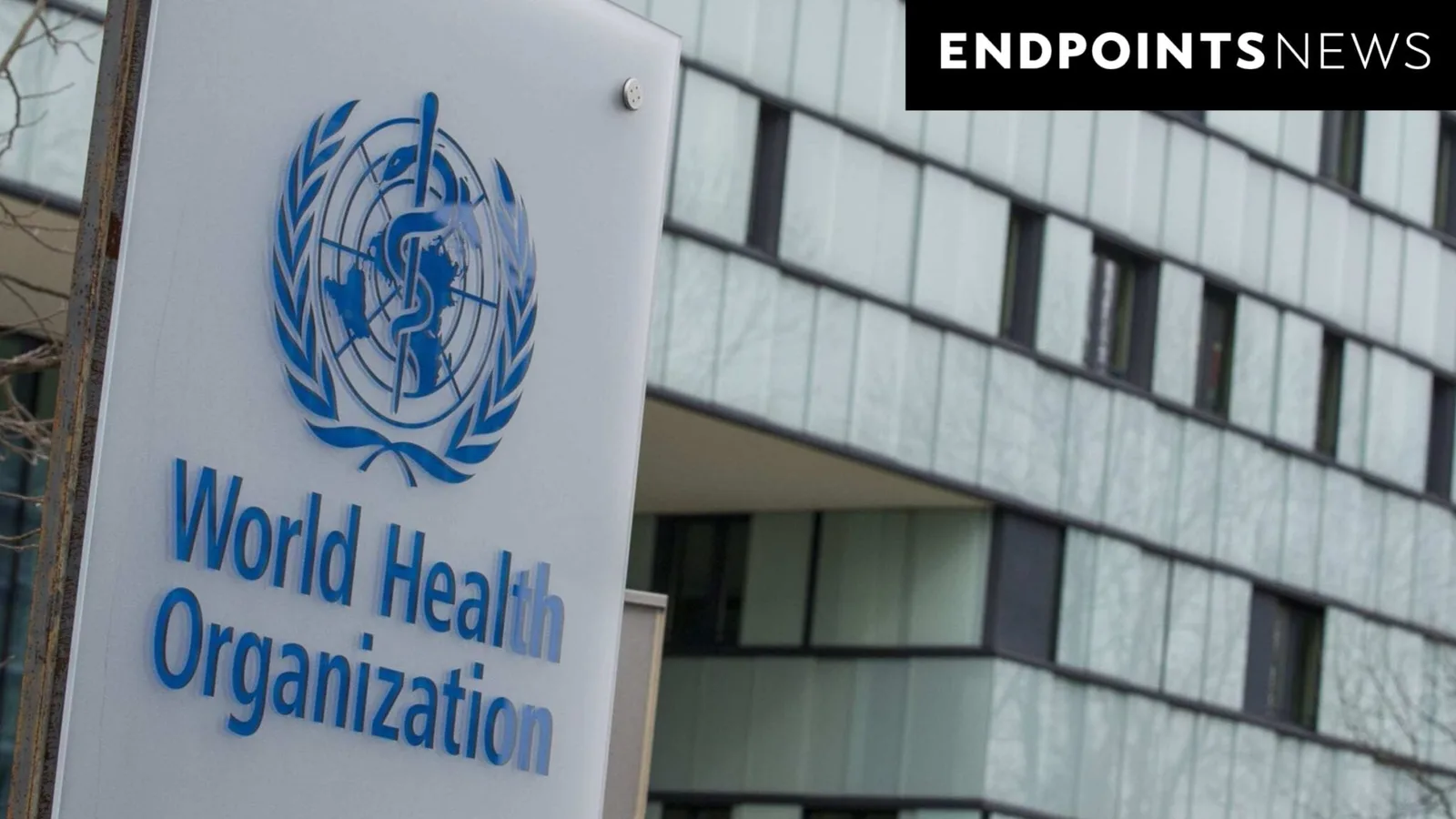
WHO advises against GLP-1 drugs for children under 10.
Recommendations extend to adolescents aged 10 to 19.
Focus on alternative treatments and lifestyle changes.
The World Health Organization (WHO) has issued a significant recommendation against the use of GLP-1 medications for children under the age of 10 suffering from obesity. This guidance, released on Wednesday, emphasizes the need for careful consideration regarding the treatment of obesity in younger populations, highlighting potential risks associated with these drugs.
Historically, the rise in childhood obesity has prompted health organizations to explore various treatment options. However, the WHO's latest stance reflects growing concerns about the long-term effects of obesity medications on young children. The organization stresses that while obesity is a serious health issue, the approach to treatment must be cautious and evidence-based, particularly in younger age groups.
In its recommendations, the WHO suggests that adolescents aged 10 to 19 should also be approached with care when considering obesity treatments. The organization advocates for a comprehensive strategy that includes lifestyle modifications, such as improved diet and increased physical activity, rather than immediate reliance on pharmaceutical interventions. This approach aims to address the root causes of obesity while minimizing potential health risks associated with medication.
The implications of this guidance are significant for parents, healthcare providers, and policymakers. As childhood obesity rates continue to rise globally, the WHO's recommendations may influence treatment protocols and public health strategies aimed at combating this epidemic. The emphasis on non-pharmaceutical interventions could lead to a shift in how obesity is managed in younger populations, promoting healthier lifestyle choices over medication.
Looking ahead, the WHO encourages ongoing research into safe and effective obesity treatments for children and adolescents. Future guidelines may evolve as new evidence emerges, but for now, the focus remains on prevention and lifestyle changes as the primary means of addressing obesity in young individuals.