WHO Declares Bundibugyo Ebola Outbreak a Global Health Emergency Again
The World Health Organization has reaffirmed the Bundibugyo Ebola outbreak as a public health emergency as confirmed cases exceed 11,600.
As of November 17, 2026, there are 11,613 confirmed cases and 5,678 deaths in the DRC.
The outbreak is described as the largest Ebola outbreak recorded in the DRC, with high transmission rates.
WHO plans to issue updated recommendations for the DRC and other affected countries in the coming days.
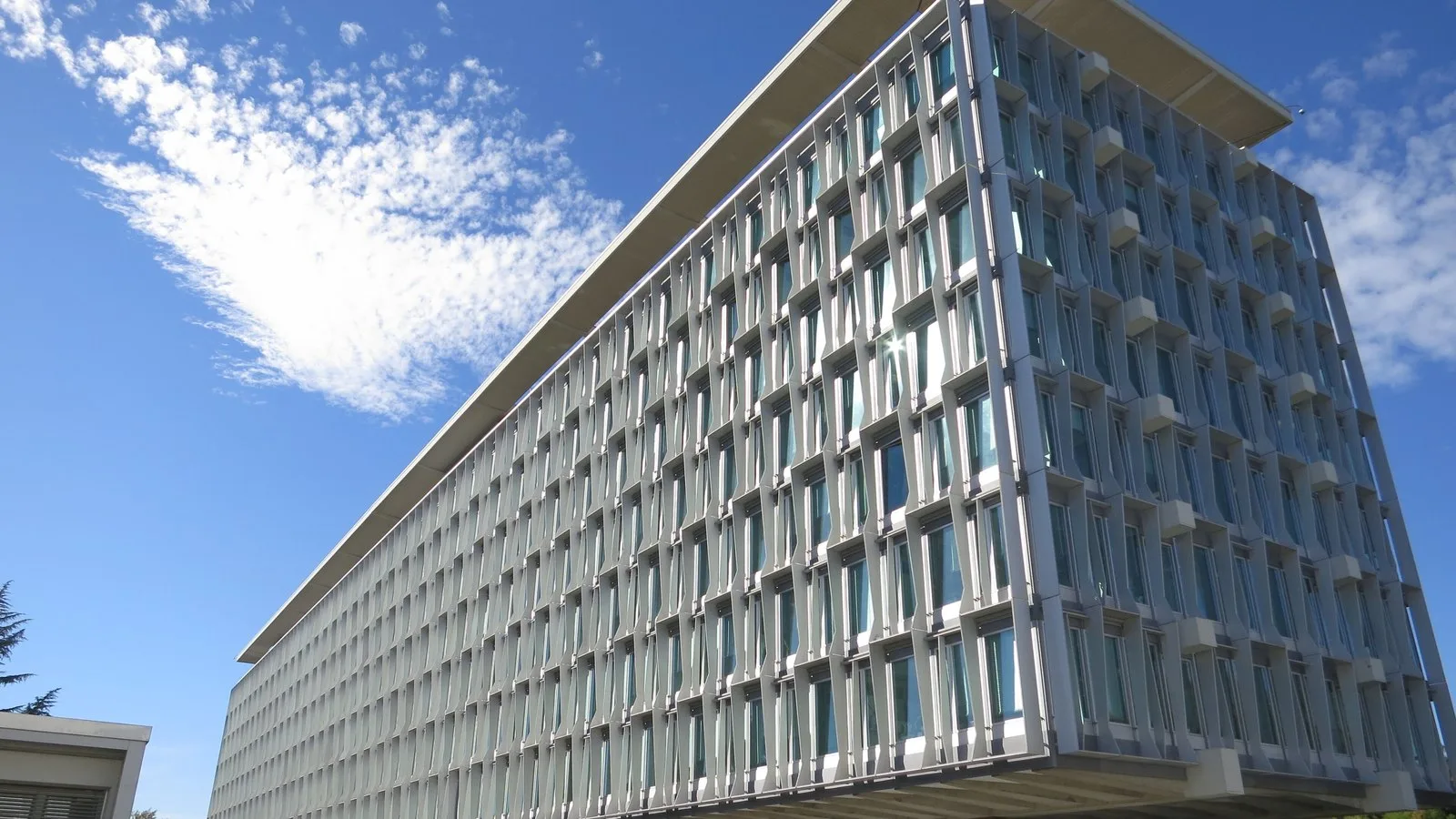
On November 20, 2026, the World Health Organization (WHO) announced that the Bundibugyo Ebola outbreak in the Democratic Republic of the Congo (DRC) remains a public health emergency of international concern. This determination was made by WHO's Director-General on November 18, following the third meeting of the International Health Regulations Emergency Committee on November 17. The latest figures indicate that there are 11,613 confirmed cases as of November 17, with the outbreak significantly impacting health research and response efforts in the region.
The current outbreak is noted as the largest recorded in the DRC, surpassing previous incidents in both scale and mortality. The WHO's Disease Outbreak News highlights that since the last update on November 6, an additional 945 confirmed cases and 480 deaths have been reported. The outbreak has been particularly severe, with a crude case fatality ratio of 48.9%. Cases have been confirmed across 68 health zones in eight provinces, with ongoing transmission in many areas.
In terms of geographical impact, the provinces of Ituri and Nord Kivu have reported the highest number of new cases in the last 21 days, with 668 and 635 new cases respectively. However, some regions, such as Tshopo, have seen a decrease in new cases. Despite these fluctuations, WHO emphasizes the challenges in early detection and access to treatment, especially among vulnerable populations, including children.
The implications of this ongoing emergency extend beyond the DRC. Neighboring countries like Kenya and Nigeria have reported confirmed cases linked to the outbreak, prompting WHO to maintain a high-risk assessment for these nations. The organization advises against travel and trade restrictions but highlights the need for continued vigilance and support for health systems in affected areas. The situation remains critical, with WHO noting that no approved vaccines or specific treatments are currently available for the Bundibugyo virus.
Looking ahead, WHO plans to release updated recommendations for the DRC and other affected countries shortly. Additionally, two candidate vaccines specifically targeting the Bundibugyo strain are set to be included in ongoing clinical trials in the coming weeks. As the situation develops, the focus remains on enhancing response efforts and ensuring the safety of health workers and communities in the region.