UK Researchers Highlight Nutritional Value of Food Scraps
Experts urge the public to consider fruit and vegetable scraps as a valuable source of dietary fiber.
Only 4% of adults meet the recommended daily fiber intake of 30g.
Many discarded parts of fruits and vegetables contain more fiber than the edible portions.
Innovative recipes are being developed to encourage root-to-tip eating.
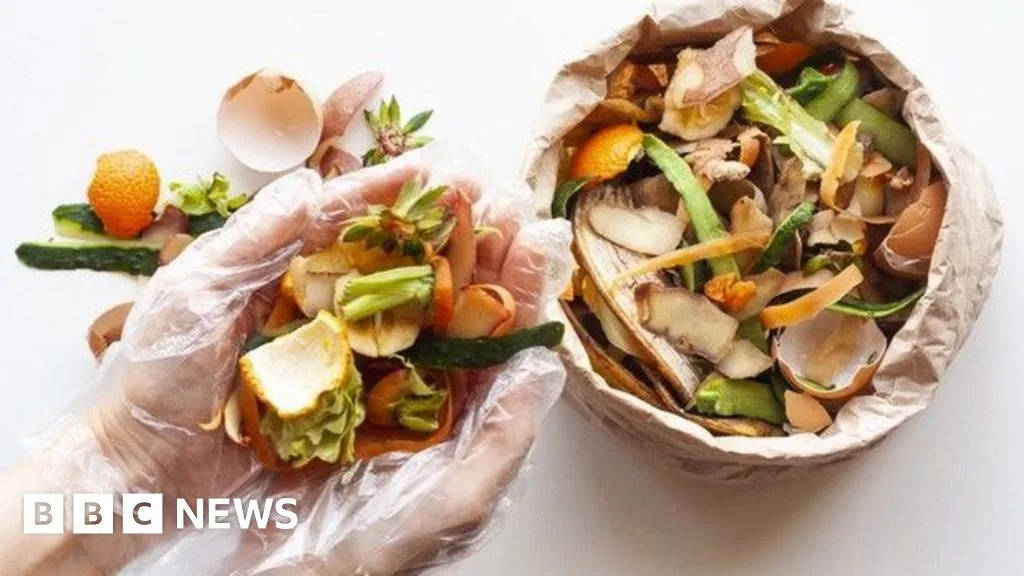
A recent study from King's College London emphasizes the nutritional benefits of consuming fruit and vegetable scraps, such as peels and stalks. Researchers suggest that these often-overlooked parts can significantly boost dietary fiber intake, which is crucial for digestive health. The study encourages a 'root-to-tip' eating approach, advocating for the use of items like watermelon rind and butternut squash seeds in everyday meals.
Despite the known advantages of fiber for gut health, official statistics reveal that a mere 4% of adults achieve the recommended daily intake of 30 grams. Insufficient fiber consumption is linked to various health issues, including constipation, heart disease, and bowel cancer. The researchers highlight that many people are discarding valuable sources of fiber, which could enhance their overall health.
In their analysis, the researchers examined 12 different raw foods, including broccoli, kiwi, and pineapple, discovering that many discarded parts are richer in fiber than the commonly consumed sections. For instance, watermelon rind offers 2.10 grams of fiber per 100 grams, while butternut squash skin and seeds contain 9.25 grams per 100 grams. Pineapple skin and core have five times more fiber than the fruit's flesh, showcasing the potential of these scraps as a dietary resource.
The implications of this research extend beyond individual health, as it also addresses food waste and economic concerns. Dr. Rachel Gibson, the lead researcher, pointed out that throwing away these scraps represents not just a nutritional loss but also a financial one, as consumers waste what they have paid for. The college has even experimented with root-to-tip meals in its canteen, offering dishes like banana skin curry to promote this eating philosophy.
Looking ahead, experts recommend gradually incorporating these scraps into meals to avoid digestive discomfort. Dietitian Kirsten Jackson suggests practical ways to utilize these parts, such as blending pineapple cores into smoothies or using broccoli stalks in stir-fries. However, caution is advised, as some items, like green potatoes and rhubarb leaves, contain toxins. Overall, this research opens up new avenues for enhancing dietary fiber intake while reducing food waste.