U.S. Measles Cases Surge, Elimination Status Lost After 26 Years
The U.S. has lost its measles elimination status as cases hit a 35-year high, raising public health alarms.
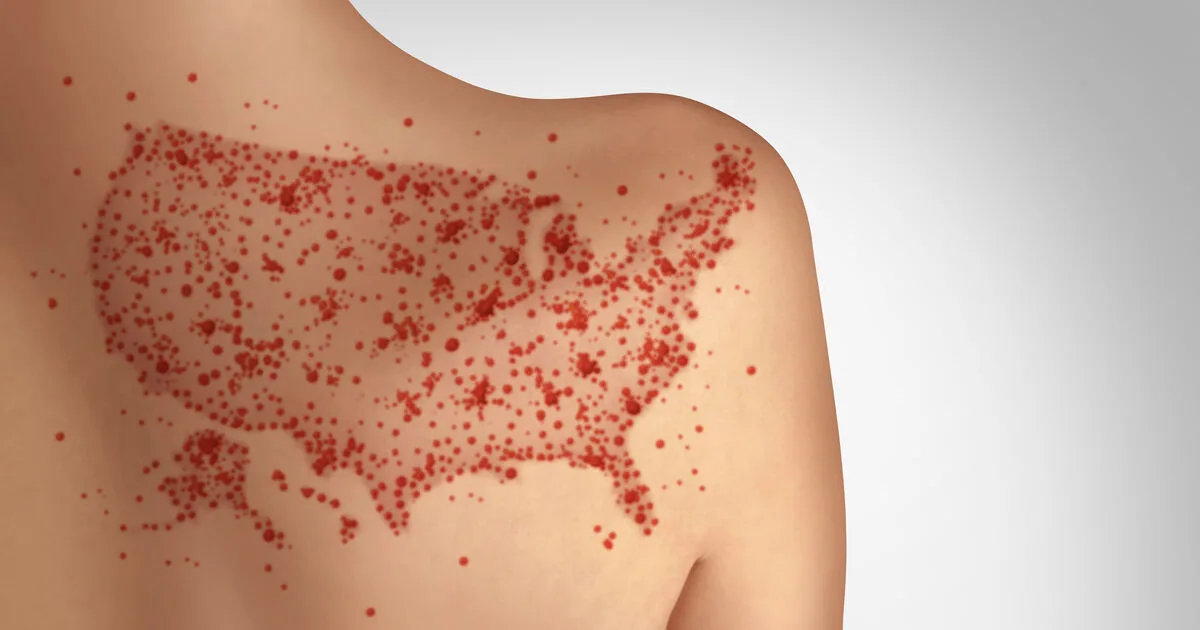
Over 5,400 measles cases reported in 2026, the highest since 1991.
Vaccination rates have dropped, with only 92.4% of kindergarteners fully vaccinated.
Serious complications from measles can lead to hospitalization and death.
The United States has officially lost its measles elimination status after maintaining it for 26 years, as the number of reported cases has surged alarmingly. The Pan American Health Organization (PAHO) announced this significant public health development last week, highlighting the urgent need for increased vaccination efforts across the country. Health experts are warning that the resurgence of measles poses a serious risk to families and communities nationwide.
Historically, measles was not a major concern in the U.S. since the early 2000s, but recent trends indicate a troubling reversal. The Centers for Disease Control and Prevention (CDC) has reported that vaccination rates have declined, leading to a spike in measles cases. In 2026 alone, over 5,400 cases have been documented, a stark increase from 2,289 in 2025 and just 285 in 2024. This marks the highest incidence of measles in the U.S. since 1991, raising alarms within the healthcare community.
Dr. Alvaro Galvis, a pediatric infectious disease specialist, emphasized that the rising number of cases is directly linked to decreasing vaccination rates. To achieve herd immunity against measles, at least 95% of the population needs to be vaccinated. However, only 92.4% of kindergarteners completed the required two-dose MMR vaccine series during the 2025-2026 school year, according to CDC data. This decline in vaccination coverage has left communities vulnerable to outbreaks, with experts warning that unvaccinated individuals are at significant risk of severe illness.
The implications of this resurgence extend beyond individual health; they pose a broader public health threat. Measles is known to be highly contagious, with a potential to infect 12 to 15 people for every unvaccinated individual. Serious complications from the virus can lead to hospitalization, pneumonia, and even death. The CDC reports that one in five unvaccinated individuals who contract measles will require hospitalization, and the mortality rate among infected children can be as high as 0.1% to 0.3%. The risk of severe complications, such as encephalitis and subacute sclerosing panencephalitis (SSPE), further underscores the urgency of vaccination.
Looking ahead, health officials are urging families to ensure their vaccinations are up to date. Preventive measures, including vaccination, remain the most effective way to protect against measles. Individuals who have received the vaccine in the past may consider getting a measles titer to check their immunity levels. As the healthcare community rallies to combat this outbreak, it is crucial for everyone to recognize the importance of vaccination not only for personal health but also for the well-being of those who are more vulnerable in the community.