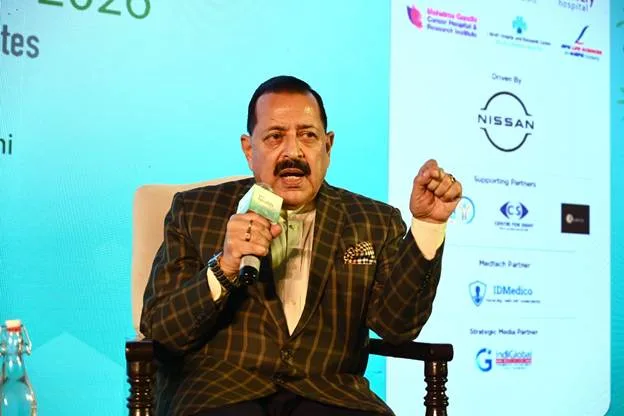
THE WEEK Health Summit 2026 Highlights Early-Onset Cancer in India
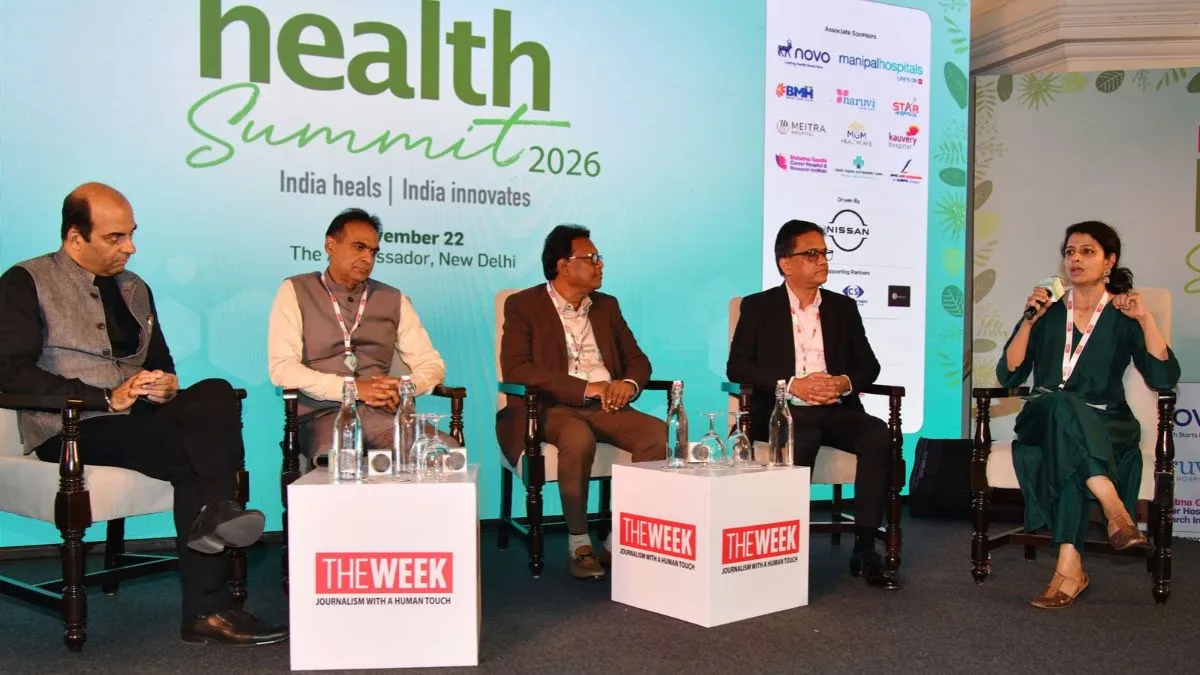
Experts at THE WEEK Health Summit 2026 in New Delhi discuss the rising incidence of early-onset cancer and the need for a holistic approach to treatment.
Young adults represent 40-45% of cancer cases in India, with breast cancer as the most prevalent.
Genetic factors and lifestyle choices are significant contributors to the rise in early-onset cancer.
Multidisciplinary care, including psychosocial support, is essential for young cancer patients.
During THE WEEK Health Summit 2026 held in New Delhi, leading oncologists gathered to address the concerning trend of early-onset cancer in India. The panel discussion, titled 'Cancer in Young Indians', emphasized the complex factors contributing to this rise, including genetic predisposition, environmental influences, and lifestyle changes. Moderated by Susamma Joy Kurian, the discussion highlighted the urgent need for a comprehensive approach to tackle this growing health crisis.
The statistics presented by Dr. Ajay Gogia, a senior oncologist at AIIMS, revealed that young adults now account for a staggering 40-45% of the approximately 1.5 million cancer cases in India. Breast cancer has emerged as the most common diagnosis among this demographic, with its incidence reportedly doubling in recent years. Dr. Ankur Bahl from Fortis Gurgaon noted that many patients in their 30s are being diagnosed with cancer well before they are eligible for routine screenings, raising concerns about the underlying causes of this trend.
The panelists pointed out that severe air pollution, particularly in urban areas like Delhi, plays a significant role in the increase of lung and other cancers. However, the lack of prolonged exposure among younger patients suggests that genetic and genomic factors must also be investigated. Dr. Murali Krishna Voonna from Mahatma Gandhi Cancer Hospital highlighted that lifestyle choices, such as tobacco and alcohol use, obesity, and poor nutrition, are contributing to the rising incidence, especially among women and younger individuals.
One of the major challenges identified is the late diagnosis of cancer in younger patients, who often present with advanced stages of the disease. Dr. Ankit Jain from Apollo Hospital noted that many young patients arrive with Stage 3 or Stage 4 cancer, significantly hindering their treatment options. This contrasts with older adults, who are more likely to undergo regular screenings, thereby increasing the chances of early detection. The panel discussed the diagnostic blind spots that often lead to misdiagnosis, particularly in cases of colorectal cancer, where early symptoms are frequently mistaken for less serious conditions.
To combat these issues, the experts stressed the importance of preventive health measures and lifestyle modifications. Dr. Jain recommended reducing processed food intake and increasing physical activity as part of a healthier lifestyle. Despite the rising incidence, advancements in cancer treatment are improving patient outcomes, with more young individuals surviving cancer than ever before. However, Dr. Jain emphasized that an effective treatment approach must extend beyond medical care to include nutritional support and psychosocial assistance, addressing the broader implications of a cancer diagnosis on education, employment, and personal relationships for young patients.