The Shift from Smartphones to Smart Wearables in Health Tech
The evolution of personal health technology is moving from smartphones to smart wearables, enhancing user interaction with the body.
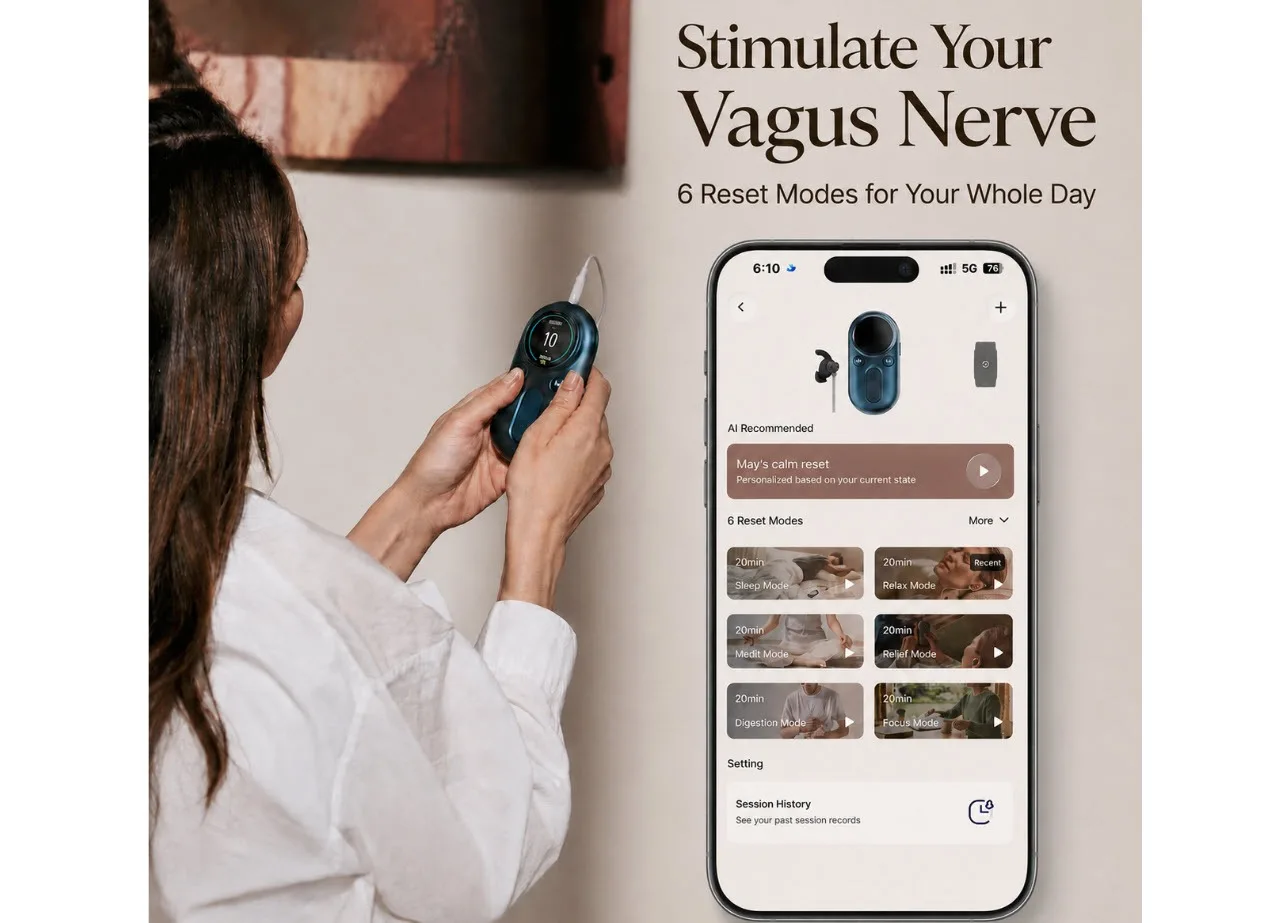
Wearable devices are transforming personal health management by integrating technology into daily routines.
Smartwatches and other wearables provide continuous health monitoring without requiring constant user interaction.
Future health technologies will focus on personalized experiences and seamless integration into everyday life.
In a significant shift within personal health technology, the focus is moving from smartphones to smart wearables. This transition reflects a growing trend where technology is becoming more integrated into daily life, allowing users to monitor their health without the need for constant interaction with a screen. Devices such as smartwatches and rings are leading this evolution, offering continuous health tracking and insights that align with everyday activities.
Historically, smartphones have dominated personal technology, serving as the primary interface for communication, entertainment, and health management. They enabled users to access health apps for fitness tracking, medication reminders, and wellness management. However, these smartphone-based solutions often require active user engagement, which can be cumbersome. As technology advances, the emphasis is shifting towards wearables that collect data passively, allowing for a more natural integration into users' routines.
Wearable technology, including smartwatches and health-focused rings, represents a new model of interaction. Unlike smartphones that rely on screens, wearables are designed to be worn on the body, collecting data continuously. This approach reduces friction in user experience, as these devices can seamlessly fit into daily habits without demanding the same level of attention as traditional smartphone applications. The design and comfort of these wearables are crucial for long-term adoption, as they must be practical and user-friendly.
The implications of this shift are profound for public health and personal wellness. As wearables become more prevalent, they have the potential to enhance health monitoring and management, leading to better health outcomes. The integration of technology into everyday life can empower users to take charge of their health in a more intuitive way. This evolution also raises questions about data privacy and the need for transparent handling of personal health information.
Looking ahead, the future of personal health technology will likely involve a blend of scientific innovation and user-centered design. Successful devices will need to balance advanced capabilities with ease of use, ensuring that they fit naturally into users' lives. As the industry progresses, the focus will not only be on what these devices can measure but also on how they can enhance the overall health experience for individuals.