Study Reveals Tenfold Increase in Mortality from Extreme Temperatures
A new study highlights the severe health risks faced by vulnerable populations during extreme heat and cold, emphasizing the need for targeted public health strategies.
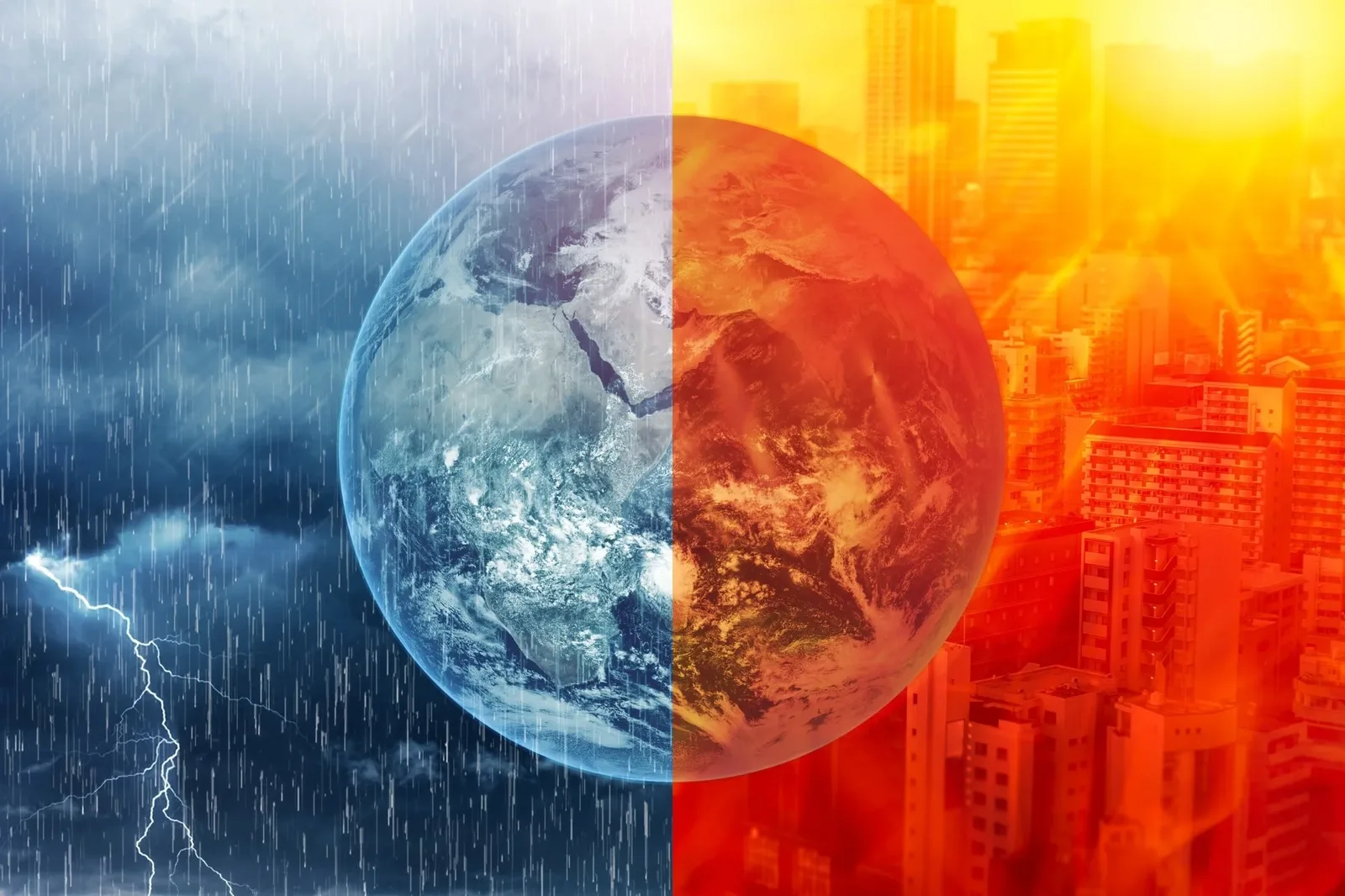
Individuals with both clinical and socioeconomic vulnerabilities face over tenfold higher mortality rates from extreme temperatures.
The study analyzed data from over 285,000 adults in Finland and the UK, revealing significant health risks associated with temperature extremes.
Climate projections indicate that rising temperatures could lead to a substantial increase in heat-related deaths.
A recent study published in Nature Communications has uncovered alarming findings regarding the health risks associated with extreme temperatures. Researchers tracked over 285,000 adults across Finland and the UK to assess how chronic diseases and socioeconomic disadvantages exacerbate the health impacts of extreme heat and cold. The study reveals that individuals with both clinical and social vulnerabilities experience more than ten times the excess mortality related to extreme temperatures compared to those without such vulnerabilities.
The backdrop of this research is the increasing frequency of extreme heat events due to global warming, contrasted with a decline in extreme cold occurrences. These changes raise significant public health concerns. The human body regulates temperature through various physiological processes, which can be compromised by pre-existing health conditions, thus heightening the risks during temperature extremes. Furthermore, socioeconomic factors, such as inadequate housing conditions, play a crucial role in how individuals experience temperature-related health impacts.
The study analyzed data from 275,763 Finnish adults and 9,681 UK adults, focusing on mortality rates and emergency hospital visits during extreme and moderate temperature periods. The findings indicate that extreme temperatures—defined as the hottest and coldest 2.5% of seven-day periods—are linked to increased mortality rates. In Finland, temperatures above 20.4 °C and below –11.4 °C were associated with 1.4-fold and 1.1-fold higher mortality rates, respectively. Notably, individuals with both clinical and social vulnerabilities showed a tenfold increase in mortality risk during these extreme conditions.
The implications of this study extend beyond individual health, highlighting the urgent need for public health strategies to protect vulnerable populations. As climate change continues to escalate, the projected increase in heat-related mortality could surpass any reductions in cold-related deaths. This trend underscores the necessity for proactive measures to mitigate health risks associated with extreme temperatures, particularly for those already facing chronic health challenges.
Looking ahead, the researchers emphasize the importance of further studies to validate these findings across different populations and environments. They also call for the development of targeted public health interventions that address the specific needs of vulnerable groups, ensuring that as climate conditions evolve, the health of at-risk populations is safeguarded.