Study Reveals Common Biological Process Behind Chronic Fatigue
A groundbreaking study identifies shared mechanisms contributing to chronic exhaustion across five distinct illnesses.
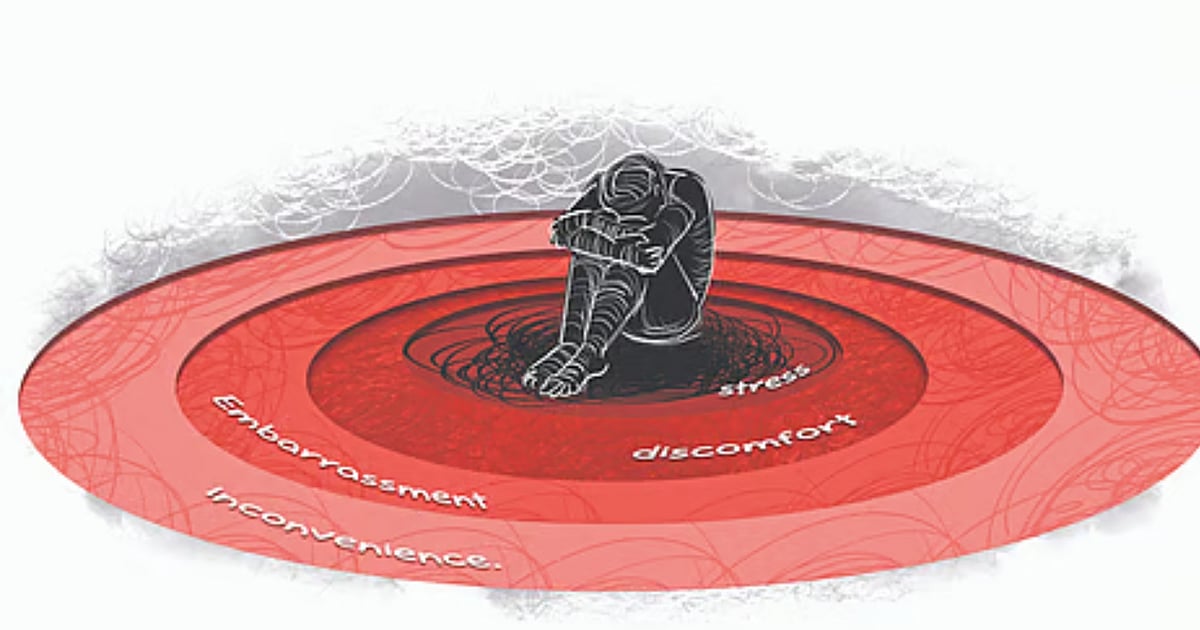
Research highlights biological similarities among PTSD, long Covid, rheumatoid arthritis, chronic fatigue syndrome, and multiple sclerosis.
Shared regulatory networks in immune and metabolic systems may explain chronic fatigue symptoms.
DNA analysis reveals unexpected connections between genetic changes across these conditions.
A recent study has unveiled a shared biological process that may clarify the chronic exhaustion experienced by individuals suffering from five different medical conditions: post-traumatic stress disorder (PTSD), long Covid, rheumatoid arthritis, chronic fatigue syndrome (ME/CFS), and multiple sclerosis (MS). The findings, published in the Journal of Translational Medicine, suggest significant biological similarities between these disorders, which are typically regarded as distinct and triggered by various factors, including viral infections and psychological trauma.
Conducted by researchers from the University of East Anglia and Oxford BioDynamics Plc in the UK, the study indicates that genes associated with each of these illnesses are interconnected within the same major biological systems. These systems encompass immune and inflammatory signaling, mitochondrial energy production, metabolic regulation, stress-response mechanisms, and neuroendocrine signaling. This convergence may help explain why individuals who have undergone viral infections or experienced psychological trauma often develop similar symptoms.
Lead researcher Dmitry Pshezhetskiy, a professor at the University of East Anglia's Norwich Medical School, emphasized that the shared regulatory networks within the body's immune and metabolic systems could be key to understanding these conditions. He noted that prolonged immune activation following a COVID-19 infection or disruptions in stress-hormone pathways due to traumatic stress could lead to persistent dysregulation of these systems, resulting in the debilitating fatigue observed across multiple disorders.
The researchers utilized the EpiSwitch Orion platform from Oxford BioDynamics to analyze DNA sequences, focusing on the three-dimensional structure of the genome. This approach allowed them to examine how DNA interacts within living cells without needing new patient samples. By integrating genomic data from previous studies on long Covid, PTSD, rheumatoid arthritis, and MS with 3D data from ME/CFS patients, they discovered that genetic alterations, which initially seemed unrelated, were actually linked within the same regulatory networks.
The findings suggest that while the conditions may originate from different triggers, they ultimately disrupt similar biological systems, leading to the widespread exhaustion experienced by millions globally. The research indicates that despite limited direct genetic overlap, significant convergence at the network level points to a shared biological architecture among ME/CFS, long Covid, PTSD, rheumatoid arthritis, and multiple sclerosis, challenging the notion that these conditions are unrelated.