Study Reveals Appendectomy Reduces Colorectal Cancer Risk by 58%
A recent study indicates that patients undergoing appendectomy for acute appendicitis have a significantly lower risk of developing colorectal cancer compared to those treated with antibiotics.
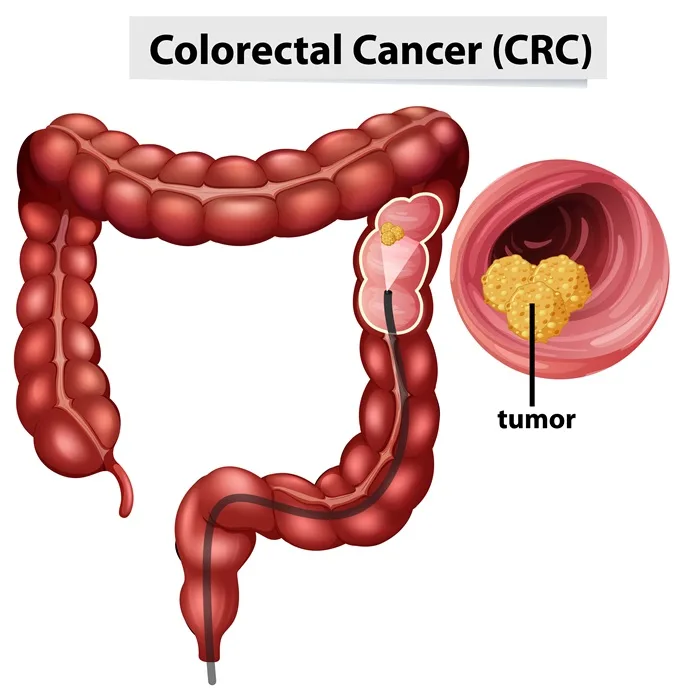
Appendectomy linked to a 58% lower risk of colorectal cancer.
Study involved over 30,000 patients, comparing surgical and antibiotic treatments.
Further research needed to explore long-term cancer implications.
A recent study has found that patients who underwent appendectomy for acute appendicitis experience a significantly reduced risk of developing colorectal cancer. The research, which analyzed data from over 30,000 patients, revealed that only 0.7% of those who had surgery were later diagnosed with colorectal cancer, compared to 1.7% of patients treated with antibiotics alone.
The study reviewed the medical records of 15,774 patients who had appendectomies and 15,295 who received antibiotic treatment. After adjusting for various risk factors, the results indicated that appendectomy was associated with a 58% lower relative risk of subsequent colorectal cancer. This finding highlights the potential benefits of surgical intervention in certain cases of appendicitis.
Despite the promising results, researchers caution that these findings do not imply that all patients with appendicitis should opt for surgery as a preventive measure against cancer. Antibiotic treatment remains a viable option for selected patients, and the decision should be made on a case-by-case basis.
The researchers also pointed out that the association between appendectomy and reduced cancer risk may be linked to factors such as inflammation, alterations in the gut microbiome, or the appendix's role in immune function. However, they emphasized that the study was observational and not designed to establish a direct causal relationship.
Looking ahead, the findings are expected to stimulate further research into the long-term implications of both surgical and non-surgical management of appendicitis, particularly regarding cancer risk. Understanding these dynamics could lead to improved treatment protocols and patient outcomes in the future.