Study Reveals Air Purification Systems Ineffective in Surgery
A recent study involving over 110,000 surgeries shows that advanced air purification does not lower surgical site infections.
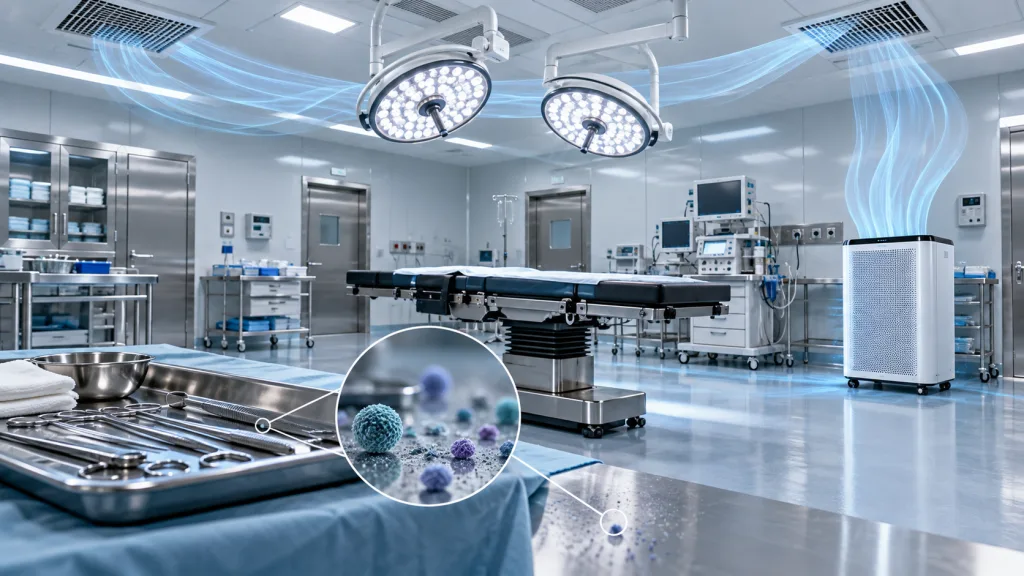
Advanced air purification systems do not reduce surgical site infections or complications.
Infections often arise from direct contamination rather than airborne bacteria.
Future research should focus on preventing wound contamination and improving surgical techniques.
A comprehensive study published in the journal Anesthesiology has found that implementing advanced air purification and sterilization systems in operating rooms does not lead to a decrease in surgical site infections, postoperative complications, or mortality rates. This research analyzed data from more than 110,000 surgeries, emphasizing the need for hospitals to prioritize preventing direct contamination of surgical wounds instead of relying on air purification methods.
Surgical site infections (SSIs) are a significant concern in postoperative care, as they are a leading cause of illness, readmissions, and fatalities among patients. According to the Centers for Disease Control and Prevention (CDC), SSIs can develop in various areas, including skin, tissue, and organs involved in surgical procedures. The risk of developing an SSI ranges from 1% to 3%, with higher rates observed in certain surgeries, such as colorectal procedures.
The study led by Dr. Daniel Sessler, a professor at McGovern Medical School, aimed to investigate the role of airborne bacteria in SSIs. Researchers equipped 68 operating rooms with two types of air-purification systems: one active, which filtered the air and eliminated bacteria, and one inactive, which served as a control. After four weeks, the systems were switched, and neither the patients nor the clinical teams were aware of which rooms had the active systems. Ultimately, the study concluded that there was no significant difference in infection rates between the two setups, suggesting that airborne bacteria may not be a primary factor in SSIs.
Dr. Sessler highlighted the importance of redirecting focus towards other potential sources of infection, such as bacteria from the patient's own skin or intestines. He noted that understanding the origins of these infections is crucial for improving surgical outcomes. The findings indicate that hospitals might achieve better results by enhancing surgical practices and minimizing direct contamination rather than investing in additional air-cleaning technologies.
Looking ahead, Dr. Sessler advocates for further research to assess the effectiveness of air purification systems in less sterile environments, such as hospital wards and intensive care units. The study underscores the need for a paradigm shift in infection control strategies, emphasizing the importance of direct wound care and surgical technique improvements to reduce the incidence of surgical site infections.