Study Reveals 12% of Cancer Cases Linked to Infections in 2024
A recent analysis indicates that infections could be responsible for 2.3 million new cancer cases globally in 2024, emphasizing the need for vaccination.
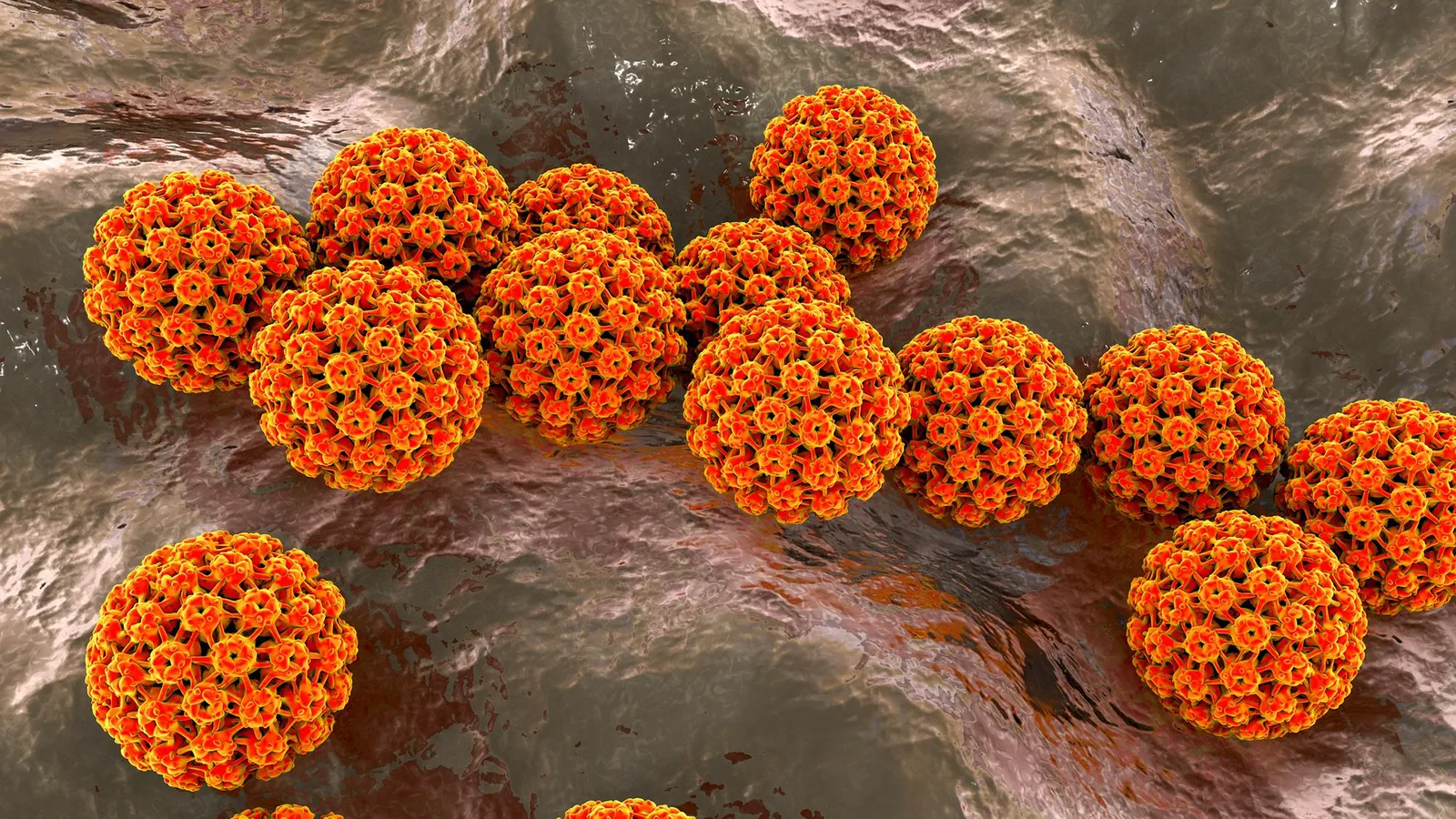
1 in 8 cancer cases are linked to infections, primarily from four pathogens.
HPV, Hepatitis B, and Helicobacter pylori are major contributors to infection-related cancers.
Vaccination rates remain low, especially in low- and middle-income countries, highlighting a significant public health challenge.
A new study published on September 28 in The Lancet Oncology reveals that approximately 12% of cancer cases worldwide in 2024 will be attributed to infections caused by viruses, bacteria, or parasites. This analysis suggests that preventing these infections could be a vital strategy in reducing cancer rates globally.
The research utilized data from the Global Cancer Observatory's GLOBOCAN database, estimating that around 20 million new cancer cases will be diagnosed in 2024. The study focused on 12 pathogens known to cause cancer, with four pathogens—HPV, Hepatitis B, Epstein-Barr virus (EBV), and Helicobacter pylori—accounting for about 92% of these infection-related cases. Specifically, H. pylori was linked to 760,000 cases, while HPV was responsible for 750,000 cases, and Hepatitis B and EBV contributed 360,000 and 260,000 cases, respectively.
Experts emphasize that a significant number of cancer cases could be prevented through vaccination and other health measures. Dr. Prashant Mathur, director of India's National Centre for Disease Informatics and Research, noted that approximately 50 to 60% of all cancers in India are avoidable when considering lifestyle factors alongside infections. However, vaccination coverage remains a critical issue, with only 31% of eligible adolescent girls globally receiving the HPV vaccine, far below the World Health Organization's target of 90%.
The study highlights a stark contrast between high-income nations, where vaccination rates are improving, and low- to middle-income countries, which bear 77% of the global burden of infection-related cancers. Dr. Rebecca Perkins from Tufts University pointed out that countries with high vaccination rates have seen significant declines in cervical cancer cases, underscoring the effectiveness of vaccination programs.
Looking ahead, health officials advocate for increased investment in vaccination campaigns and the development of new vaccines, particularly for EBV, which currently lacks an approved vaccine. The findings of this study call for urgent action to enhance preventive measures against infection-related cancers, as the economic benefits of prevention far outweigh the costs of treatment in the long run.