Study Indicates Neurokinin Receptor Antagonists May Aid Breast Cancer Treatment
Research suggests neurokinin receptor antagonists could limit breast cancer cell spread and recurrence, with findings to be presented in 2026.
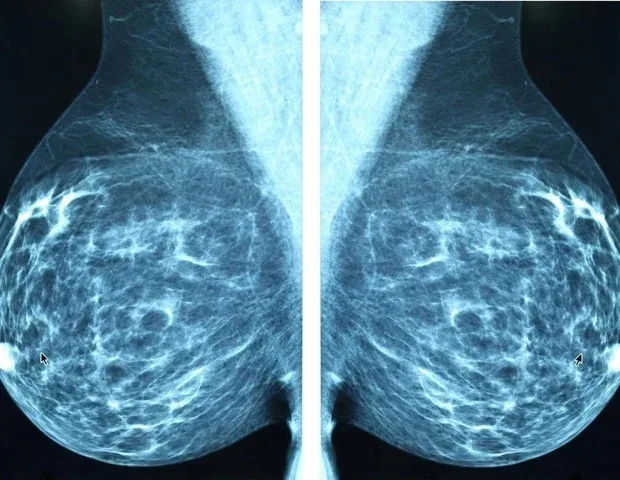
Neurokinin receptor antagonists are effective for menopausal symptoms and may also impact breast cancer.
The study shows that these antagonists can reduce cancer cell viability and invasiveness.
Findings will be presented at The Menopause Society's annual meeting in October 2026.
A recent study has revealed that neurokinin receptor (NKR) antagonists, commonly used to treat menopausal hot flashes, may also offer benefits for breast cancer patients. The research indicates that these antagonists could potentially limit the spread of cancer cells and help prevent recurrence. The findings are set to be presented at the upcoming Annual Meeting of The Menopause Society, scheduled for October 20-24, 2026, in San Diego.
During menopause, the decline in estrogen levels disrupts the hypothalamus, leading to hyperactivity in certain brain cells known as KNDy neurons, which produce neurokinin B (NKB). This overproduction results in symptoms such as hot flashes. NKR antagonists work by blocking these receptors, thus stabilizing body temperature regulation without hormones. This study sought to explore the role of NKB receptors beyond the hypothalamus, particularly in breast tissue, and their potential impact on breast cancer risk.
The researchers conducted in-silico analyses that indicated that downregulating NKR signaling could suppress pathways that promote cancer invasiveness and metastasis. Their findings suggest that NKR antagonists may modify the behavior of breast cancer cells, reducing their invasive properties. Additionally, immunohistochemical analyses of human breast tissue revealed that NKB receptors are over-expressed in cancerous tissues compared to normal and hyperplastic tissues, indicating their relevance in cancer progression.
In laboratory tests, treatment of various human breast cancer cell lines with NKR antagonists resulted in decreased cell viability and downregulation of oncogenic pathways associated with cancer progression and resistance to treatment. These promising results lead researchers to hypothesize that the therapeutic benefits of NKR antagonists may extend beyond their established use for menopausal symptoms.
While these findings are preliminary and require further validation through well-designed studies, they open up new avenues for research into the role of neurokinin signaling in breast health and cancer prevention. Dr. Lubna Pal, the lead author from Yale University, emphasizes the need for clarity in these effects, while Dr. Stephanie Faubion from The Menopause Society highlights the transformative potential of NKR antagonists in women's health.