Study Compares Two Methods for Neonatal Intubation Depth
A recent trial reveals that two modified methods for estimating neonatal intubation depth show similar accuracy and safety.
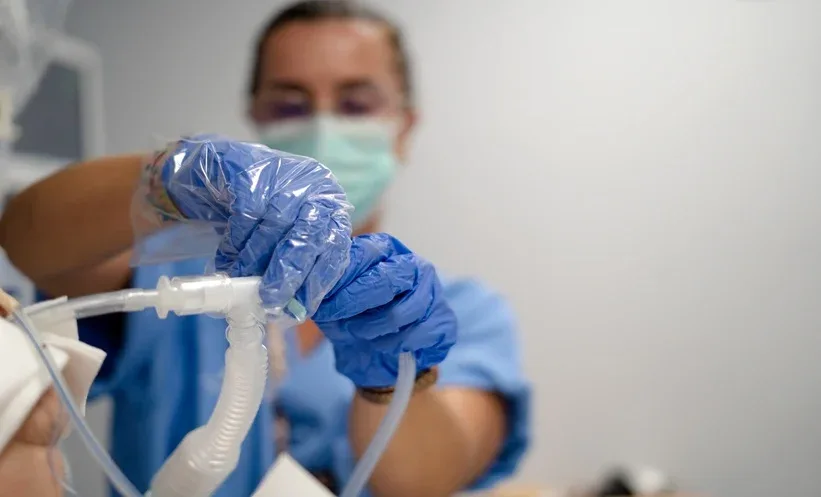
Both methods demonstrated strong correlations with radiographically determined depths.
The formula method achieved a slightly higher optimal tube placement rate than the table method.
Radiographic confirmation is crucial for ensuring safe intubation outcomes.
A randomized controlled trial involving 83 Thai neonates has revealed that two modified methods for estimating neonatal intubation depth yield comparable accuracy and safety. The study compared a modified nasal-tragus length (NTL) table method with a modified formula method, assessing their effectiveness in determining appropriate orotracheal tube insertion depths.
The trial involved assigning 39 neonates to the table method and 44 to the formula method. The formula calculated insertion depth by adjusting NTL measurements, adding 1 cm for measurements of 6.5 cm or less and 0.5 cm for those exceeding 6.5 cm. Researchers compared the estimated insertion depths with radiographically determined appropriate depths, while also monitoring for short-term respiratory complications such as bronchial intubation and atelectasis.
Results indicated that both methods correlated strongly with the radiographically determined appropriate insertion depths, showing no statistically significant difference (r=0.87 for the table method versus r=0.92 for the formula method; p=0.305). The table method slightly underestimated insertion depth, while the formula method slightly overestimated it. Optimal tube placement was achieved in 49% of cases using the table method, compared to 61% with the formula method, although this difference was not statistically significant (p=0.247).
Despite the formula method showing a trend towards improved positioning, researchers concluded that both modified NTL approaches performed similarly in estimating appropriate insertion depth. Importantly, they emphasized the necessity of radiographic confirmation post-intubation to ensure correct tube placement and reduce the risk of significant respiratory complications.
Looking ahead, the findings of this study may influence clinical practices in neonatal intubation, highlighting the importance of method selection and the need for radiographic verification to enhance patient safety during procedures.


