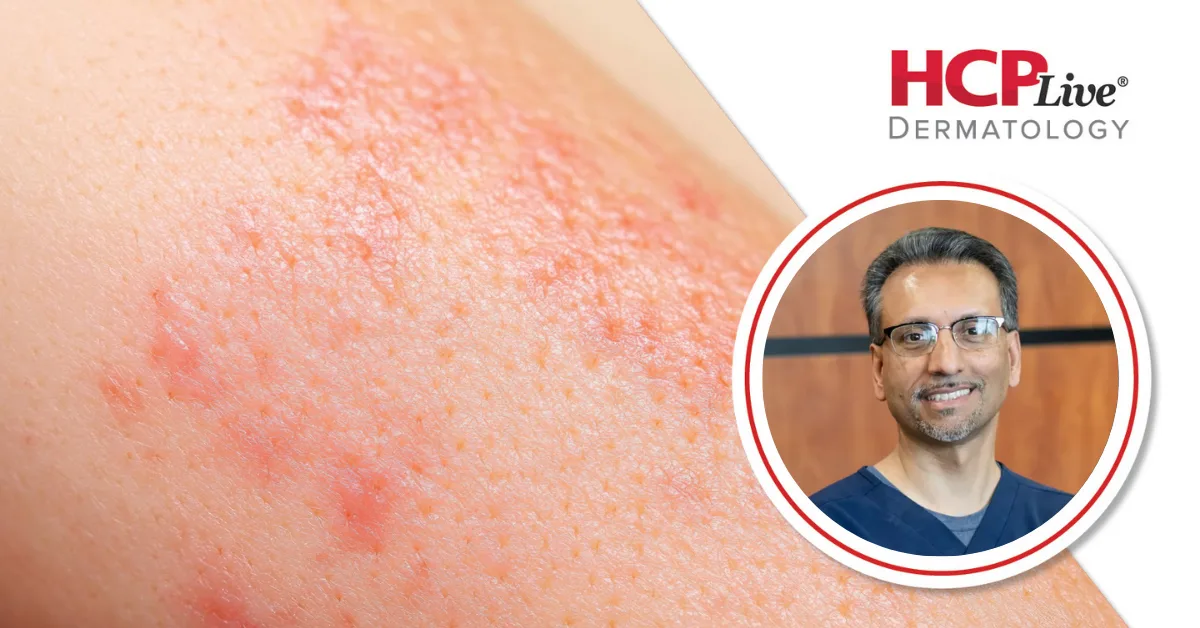
Strategies for Enhancing Biologic Treatments in Hidradenitis Suppurativa
Dr. Andrea Murina discusses effective approaches to optimize biologic therapies and surgical interventions for Hidradenitis Suppurativa at the 2026 Fall Clinical Dermatology Conference.
Three biologics—adalimumab, secukinumab, and bimekizumab—show high efficacy for Hidradenitis Suppurativa.
Patient adherence is crucial, with 60% discontinuing adalimumab within a year, influenced by various factors.
Surgery may become less necessary as biologic treatments improve, even for severe cases.
At the 2026 Fall Clinical Dermatology Conference, Dr. Andrea Murina presented insights on optimizing biologic therapies and surgical options for patients suffering from Hidradenitis Suppurativa (HS). The conference, held from October 8-11 in Las Vegas, highlighted the importance of tailored treatment strategies for different patient demographics, including those with early-onset disease, smokers, and individuals with associated conditions like inflammatory bowel disease.
Dr. Murina emphasized the effectiveness of three biologic agents—adalimumab, secukinumab, and bimekizumab—in achieving significant clinical responses in HS patients. However, she pointed out that the comparative data supporting these treatments are not derived from direct head-to-head trials. A major concern raised was patient adherence, with data indicating that 60% of patients discontinue adalimumab within the first year, often due to factors such as gender, age, and insurance coverage. Dr. Murina underscored the need for continuous patient counseling to encourage adherence to therapy and regular follow-ups.
The presentation also covered long-term efficacy data for IL-17 inhibitors. Approximately 40% of patients treated with secukinumab achieved complete clinical response over a period of 204 weeks, although some adverse effects were noted. Bimekizumab showed similar outcomes over three years. Dr. Murina advised clinicians to consider dose adjustments or additional therapies before switching agents, suggesting that combining treatments could enhance patient outcomes.
In terms of combination therapies, Dr. Murina identified topical ruxolitinib as a potential adjunct for patients with more severe HS undergoing systemic therapy. She also referenced a small case series indicating that topical roflumilast might help with residual lesions. For systemic combinations, she noted that evidence mainly stems from studies in gastroenterology and psoriatic arthritis, with TNF inhibitors being safely combined with JAK inhibitors, although this approach carries certain risks.
Dr. Murina concluded by addressing the evolving role of surgery in HS management. She noted that advancements in biologic therapies could reduce the necessity for surgical interventions, even in severe cases. A case study illustrated this shift, where a patient initially requiring surgery after starting bimekizumab found the procedure unnecessary upon follow-up, showcasing the potential of effective long-term biologic treatment in managing severe HS.