Stanford Study Reveals Method to Regrow Knee Cartilage
Researchers at Stanford have discovered a technique to rejuvenate knee cartilage, potentially eliminating the need for joint replacements.
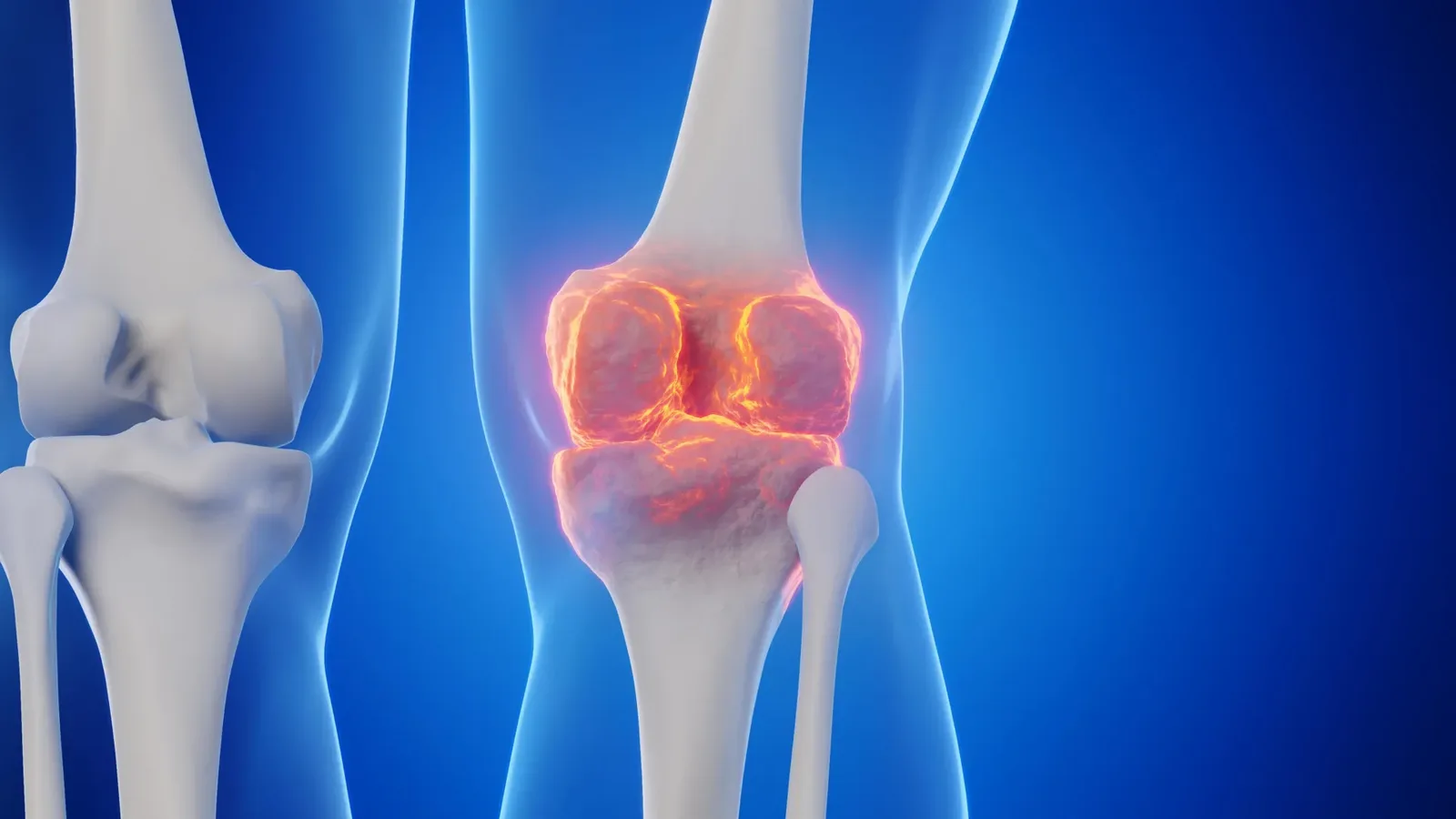
A protein inhibitor has shown promise in regenerating knee cartilage in aging mice.
Human cartilage samples from knee replacement patients also began producing new cartilage after treatment.
The research could lead to new treatments for osteoarthritis, affecting millions worldwide.
On October 6, 2026, scientists from Stanford Medicine announced a groundbreaking discovery that could change the landscape of joint health. They have identified a method to rejuvenate knee cartilage by inhibiting a specific protein that increases with age. This innovative approach not only restored cartilage in older mice but also demonstrated the potential to prevent osteoarthritis following knee injuries similar to ACL tears.
Historically, osteoarthritis has been a degenerative joint disease affecting a significant portion of the adult population, particularly in the United States, where it impacts approximately one in five adults. Current treatments primarily focus on alleviating pain rather than addressing the underlying cartilage degradation. This new research, however, suggests that cartilage may possess a greater capacity for repair than previously understood, potentially paving the way for non-surgical interventions.
The study centered on a protein known as 15-PGDH, which the researchers labeled as a 'gerozyme' due to its increased levels in aging tissues. By blocking this protein, the team observed a remarkable restoration of cartilage in aged mice, with treated cartilage becoming thicker and more functional. Notably, human cartilage samples taken from patients undergoing knee replacements also exhibited regenerative properties when exposed to the same treatment.
The implications of this research extend beyond individual health, as osteoarthritis is linked to substantial healthcare costs, estimated at $65 billion annually in the U.S. alone. If successful in human trials, this treatment could significantly reduce the need for invasive procedures like joint replacements, offering a more effective solution for millions suffering from joint pain and mobility issues.
Looking ahead, the researchers are optimistic about the potential for clinical trials to test the efficacy of this treatment in humans. With preliminary results showing promise, the next steps will involve rigorous testing to ensure safety and effectiveness in cartilage regeneration. The prospect of developing an oral medication or injection to regenerate cartilage could revolutionize the treatment of joint diseases, providing hope for those affected by arthritis.